Atlantic salmon in Canada — catches, stats & how to catch
Atlantic salmon running the rivers of Britain and Ireland from the sea: seasonal runs, fly and spinning tackle, strict licences and catch-and-release. Map, top water bodies, and analytics — based on real angler reports.
Bite calendar for Atlantic salmon
The best days and hours to fish — a bite forecast factoring in pressure, wind, temperature, and the moon phase.
Open the bite forecast →Description and behaviour
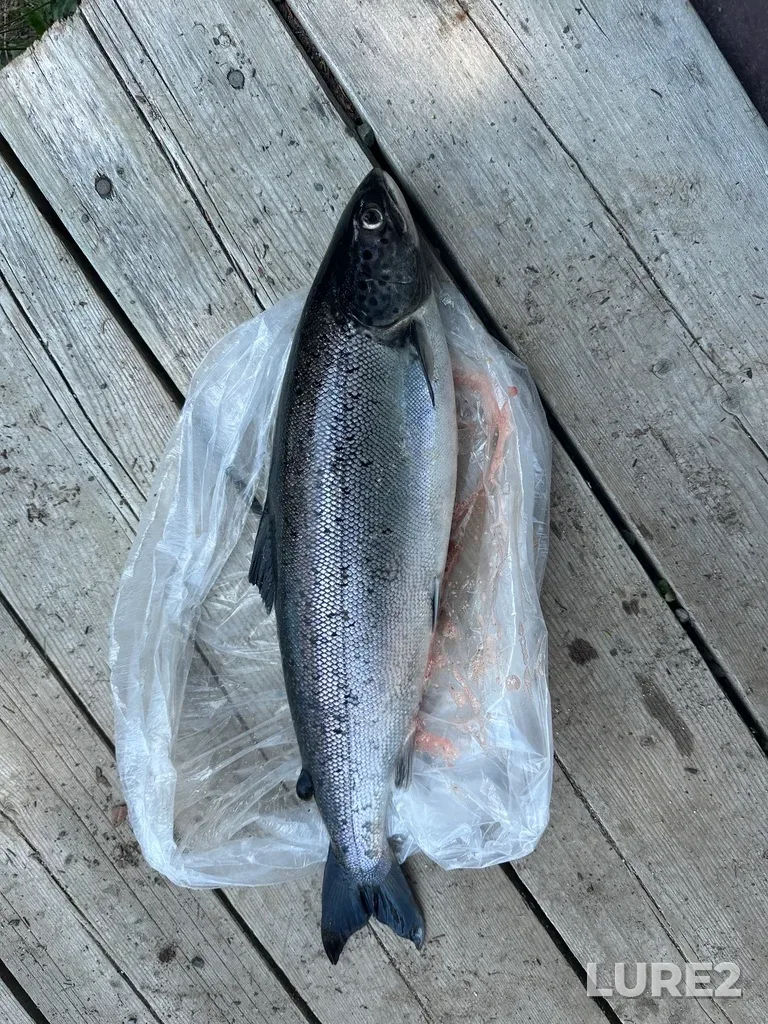
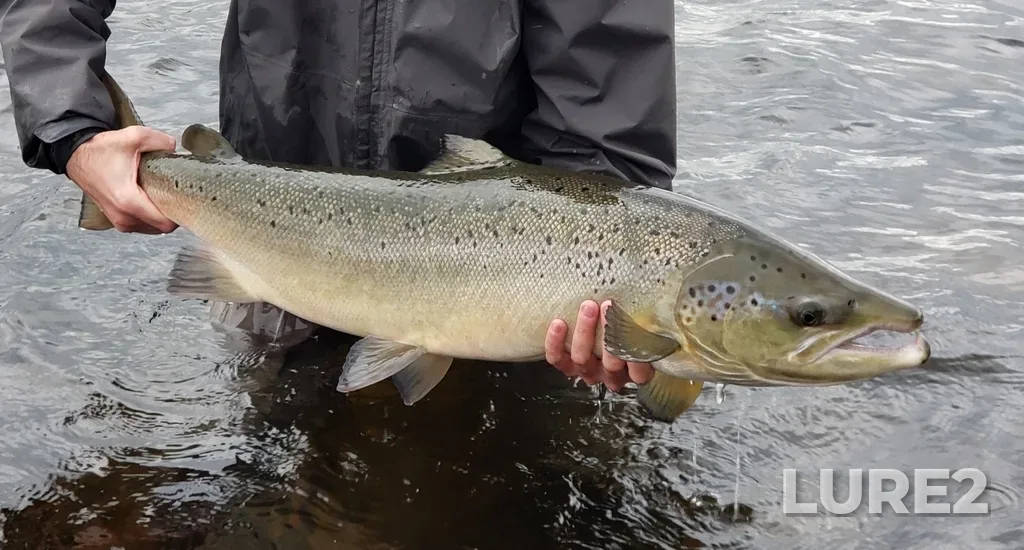
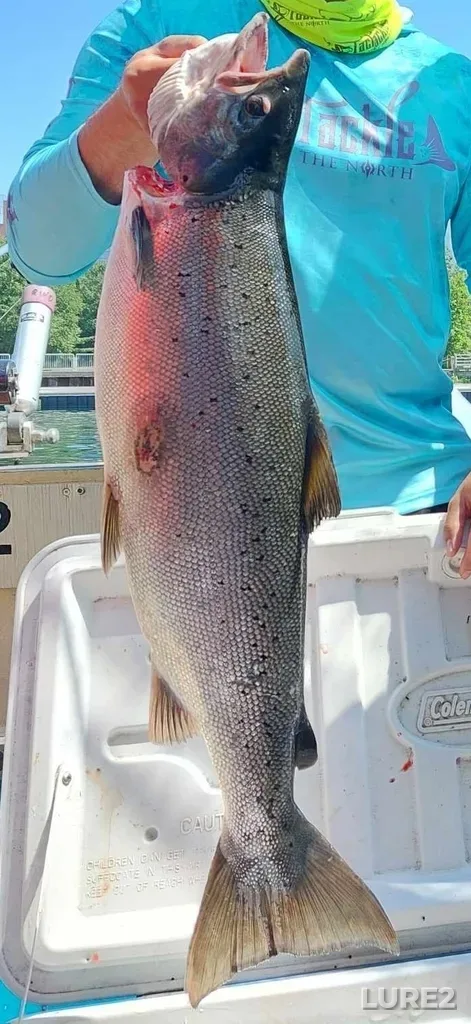
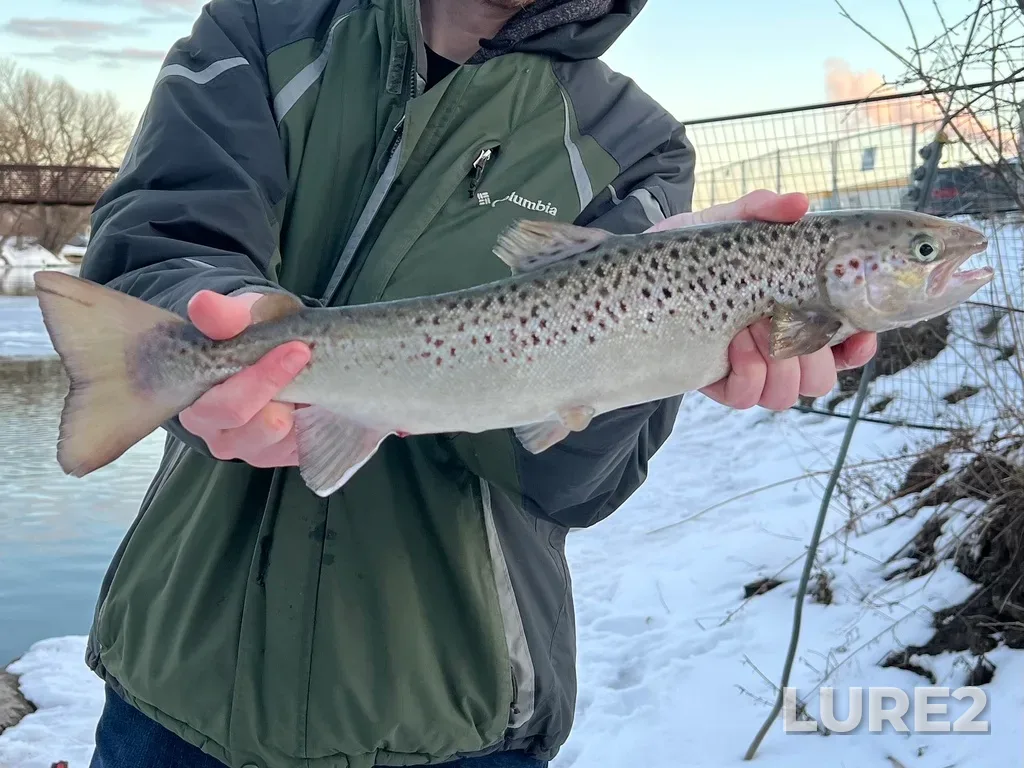
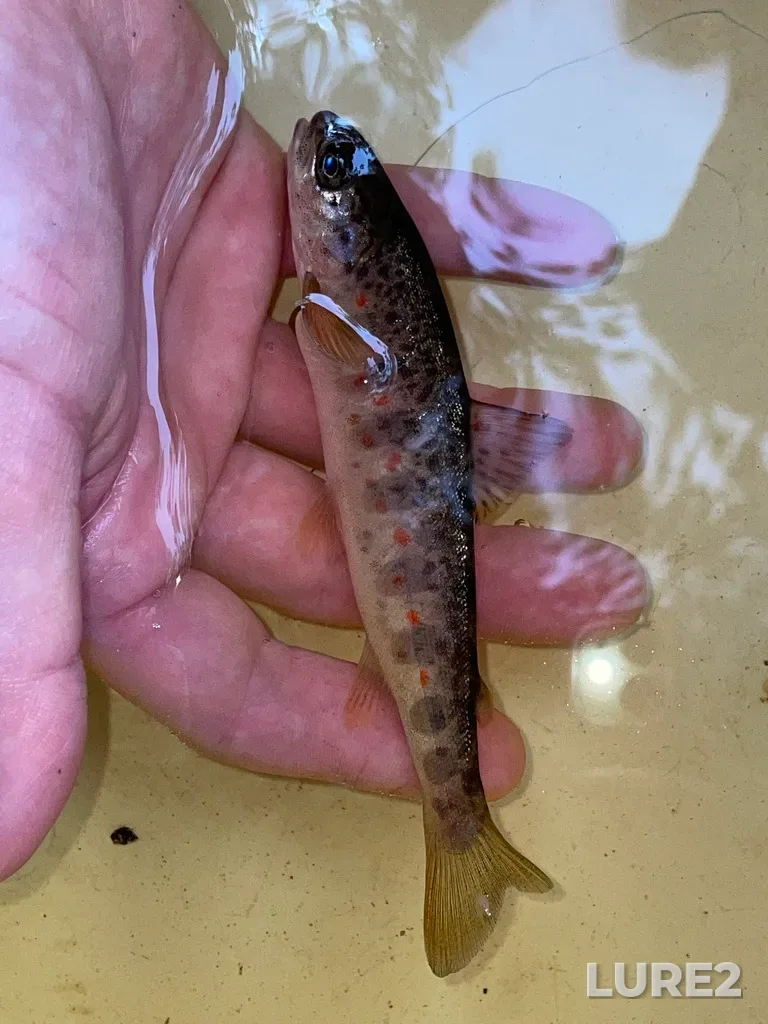
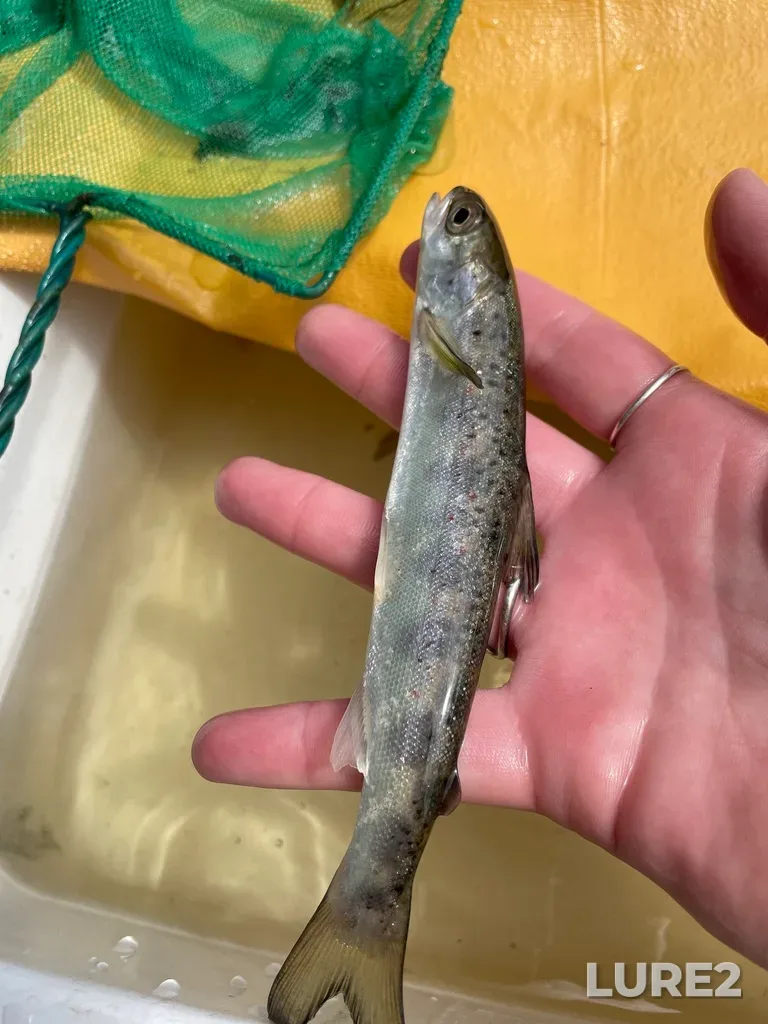
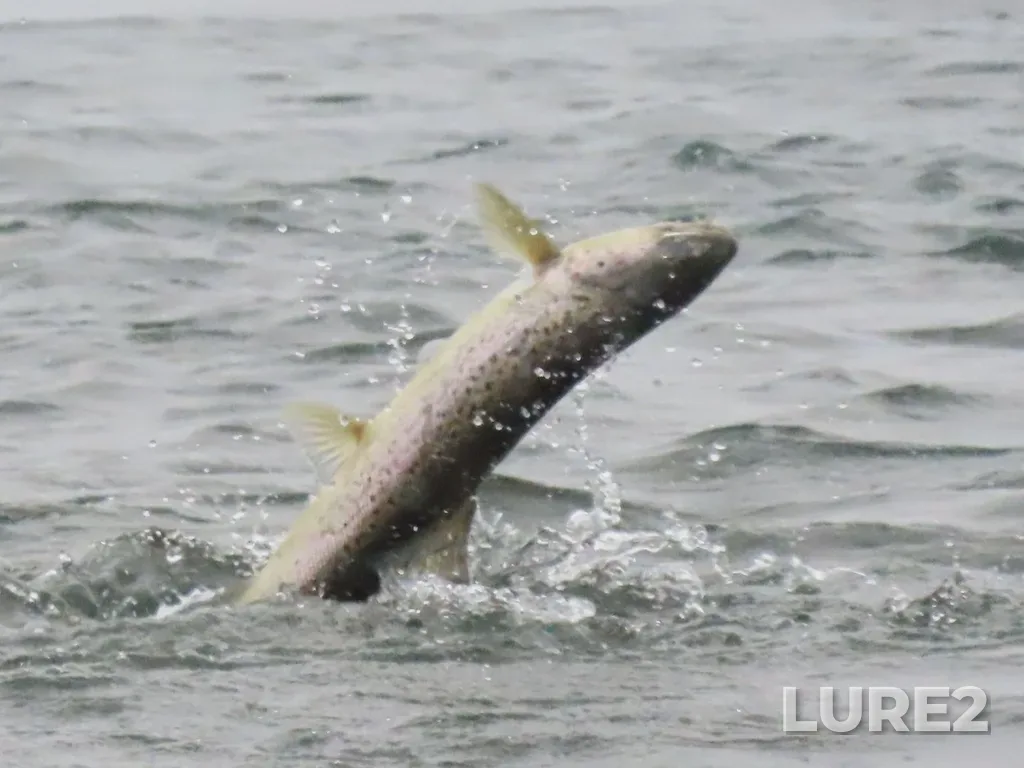
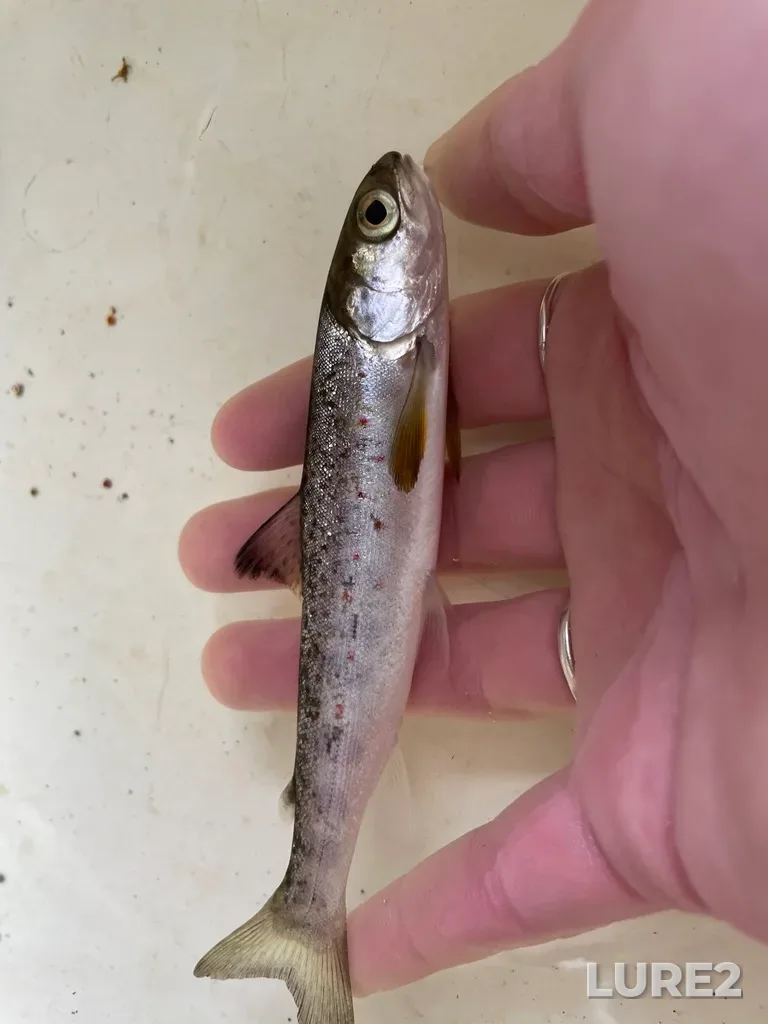
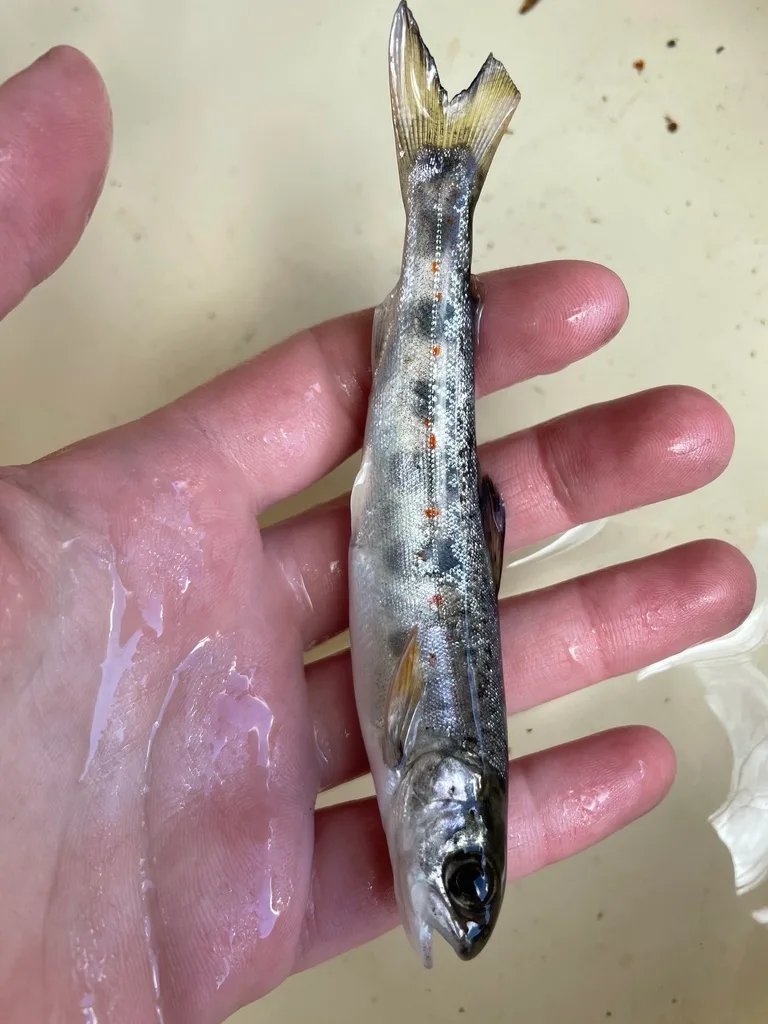
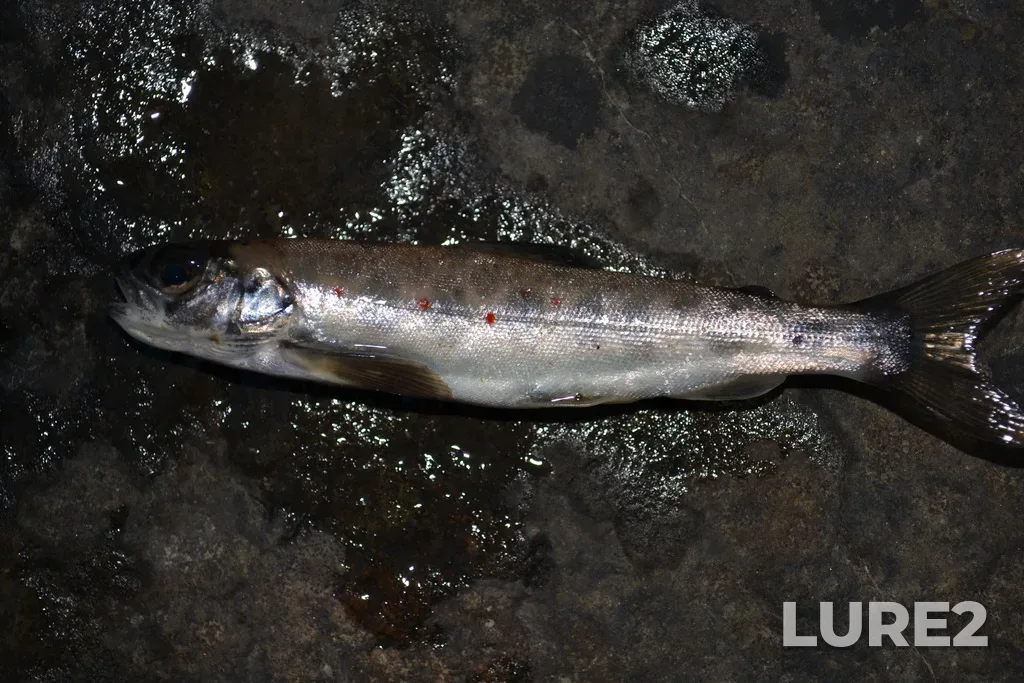
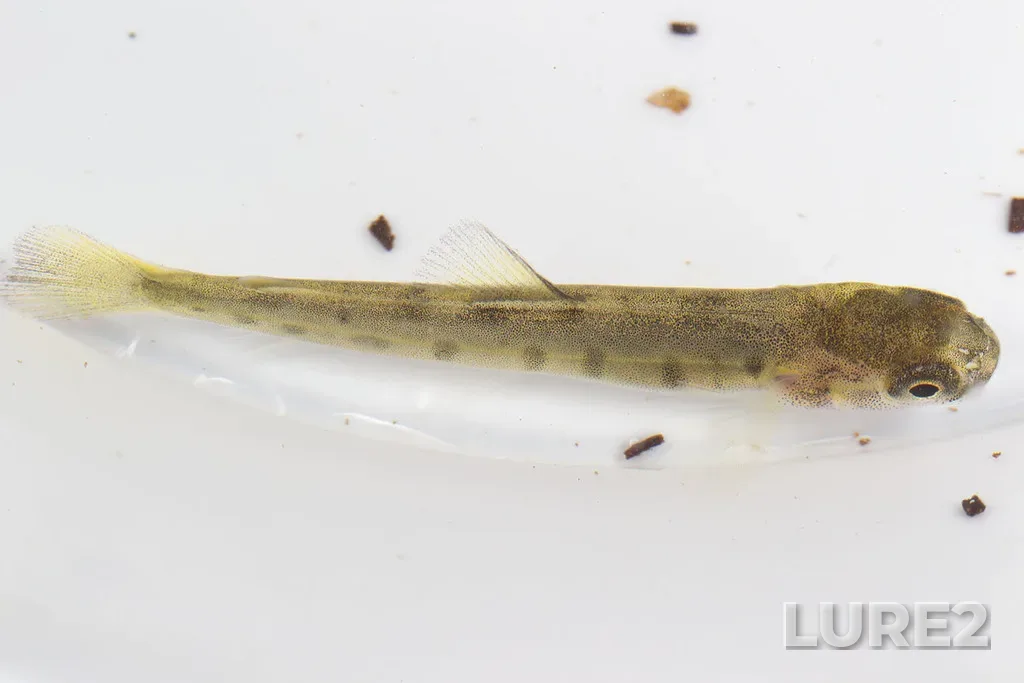
The Atlantic salmon (Salmo salar) is anadromous: born in the river, it smolts to sea, feeds in the Atlantic and returns to its natal river to spawn. Fresh from the sea it is silver, streamlined and powerful, with a few dark spots above the lateral line; in the river it slowly darkens and the cock fish grows a hooked kype. A one-sea-winter fish (grilse) usually weighs 2–4 kg, multi-sea-winter salmon 5–12 kg, and rare specimens exceed 15 kg.
In fresh water the adult salmon barely feeds, living on fat stored at sea. A take is not feeding but an aggressive or territorial reflex, so the game is to swing a fly or lure right past a resting fish. Salmon hold in pools — at the tail of a run, against rock ledges and behind boulders — resting as they push upriver.
Spawning and seasons
Salmon spawn in late autumn and winter, from November into January, on gravel redds in the headwaters. The run into rivers is spread across the season in waves: spring salmon (springers) enter early, summer grilse arrive June to August, and autumn fish come late. Opening and closing dates are strictly set and vary by river — some open in February, others in spring, and most close in autumn (often October or November). The regulators are the Environment Agency in England and Wales, District Salmon Fishery Boards in Scotland, and Inland Fisheries Ireland. Always check the individual river's rules before you go.
When it bites
Water height and temperature are everything with salmon. The prime time is a falling, clearing spate after rain: fresh fish run in on the tide and move hard. In the cold water of early spring and late autumn you fish deep and slow, while in warm summer water you work near the surface at dawn and dusk. A long low, gin-clear drought kills sport. When planning a trip, watch the river gauges and check a bite forecast, timing your visit for the drop after a flood.
Methods and tackle
The two main methods are fly and spinning. On big rivers the classic is a 13–15 ft double-handed salmon rod rated #8–10 with a floating or interchangeable sinking line (Spey casting); small rivers manage with a #7–9 single-hander. Spinning anglers use casting or multiplier gear with braid and a mono trace. You fish across and down, letting the lure sweep the pool on the swing. Fishing is often regulated: many rivers require fly-only and barbless hooks in spring, and spinning or natural bait is not allowed everywhere.
Baits and lures
For the fly it is salmon patterns on tubes and doubles — Cascade, Ally's Shrimp, Willie Gunn and Stoat's Tail — larger and brighter in high cold water, smaller and sparser in summer low water. For spinning the classics are Mepps and Flying C spinners, spoons and plugs such as the Rapala. Where permitted, prawn and worm are used, but on many rivers natural bait is restricted or banned. Match size and colour to the water: coloured, high water calls for a big bright lure, clear low water for something small and subdued.
Playing and tips
A hooked salmon runs hard, leaping and making long surges, so set the drag with plenty of give and let the fish move, cushioning its runs; don't force it, as a big fish takes minutes to land. Draw it to a soft net or the bank with wet hands. Catch-and-release is now the norm: many rivers require mandatory release of spring salmon, and there are quotas and carcass tags. A salmon rod licence is compulsory in England and Wales; observe the seasons, method restrictions and bag rules, and hold any released fish upright in the water until it recovers.