Channel catfish in Canada — catches, stats & how to catch
Channel catfish in US rivers, lakes and ponds: night feeding, summer peak, bottom rigs and cut bait, and the tackle that handles them. Map, top water bodies, and analytics — based on real angler reports.
Bite calendar for Channel catfish
The best days and hours to fish — a bite forecast factoring in pressure, wind, temperature, and the moon phase.
Open the bite forecast →Description and behaviour
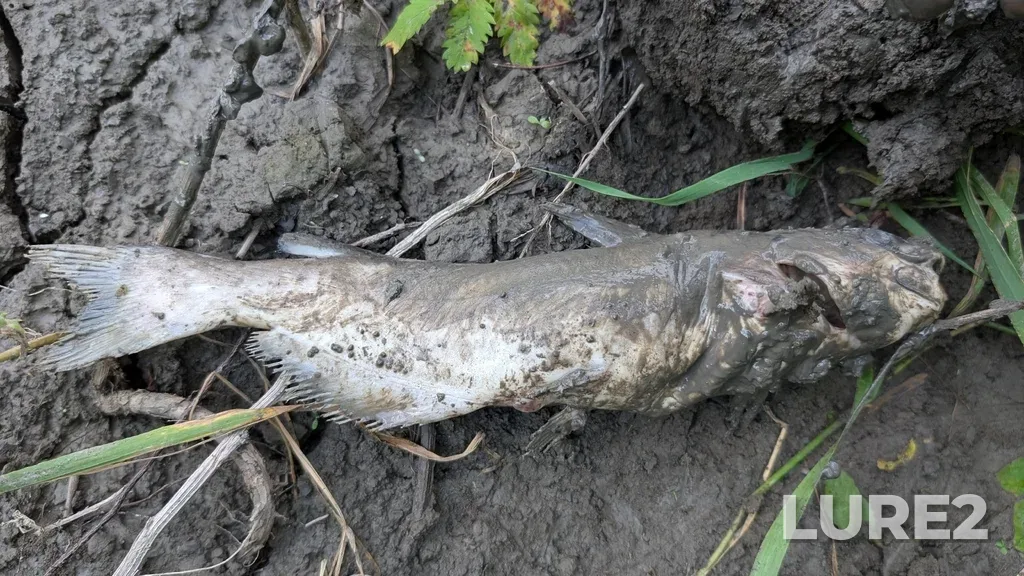
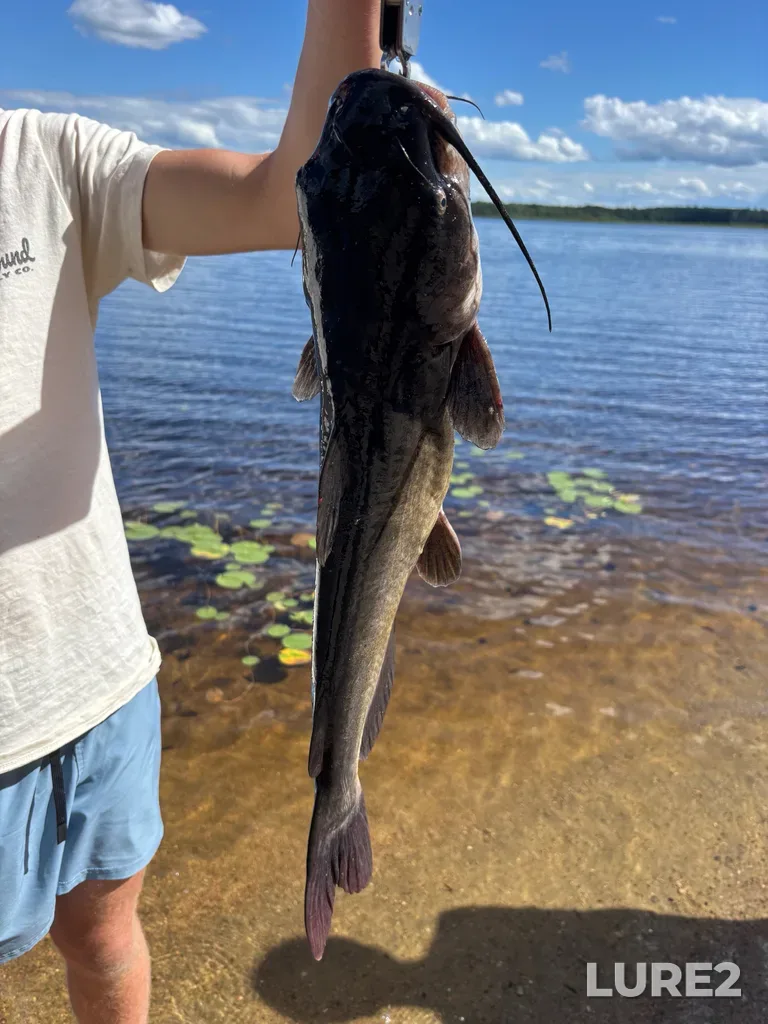
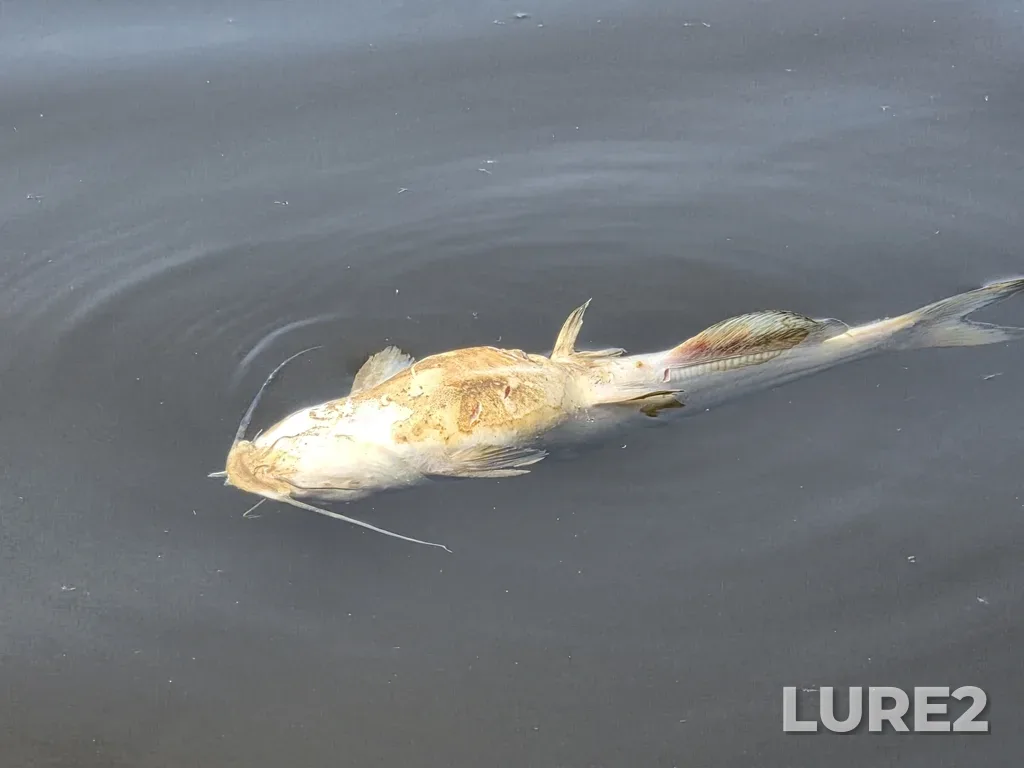
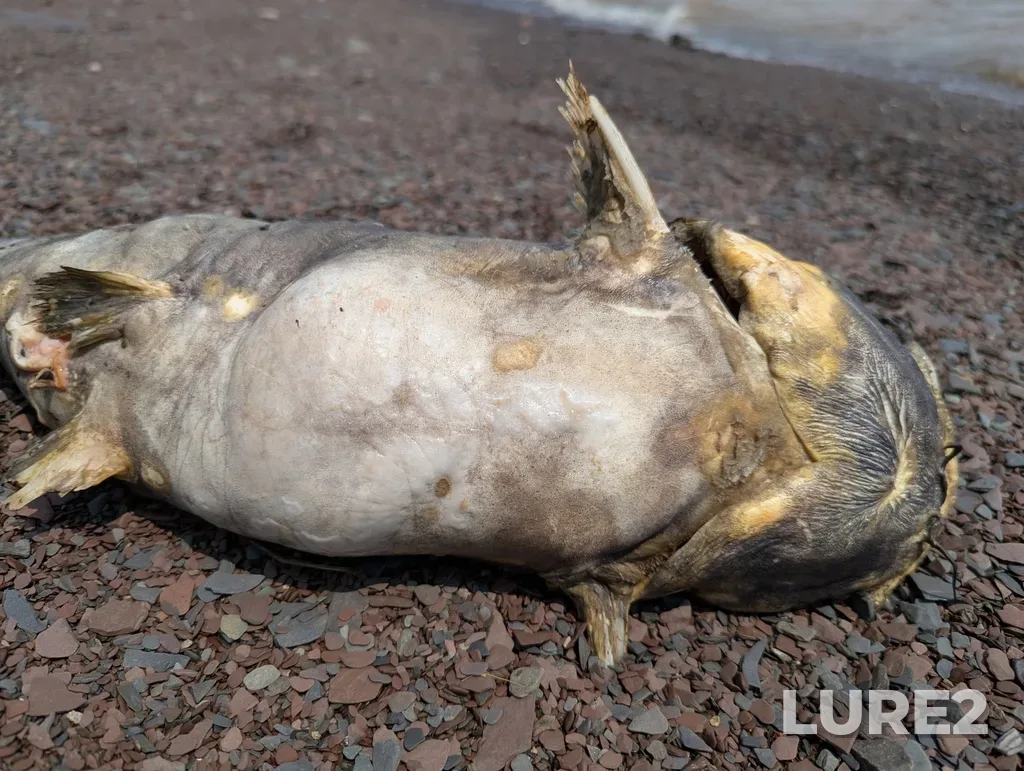
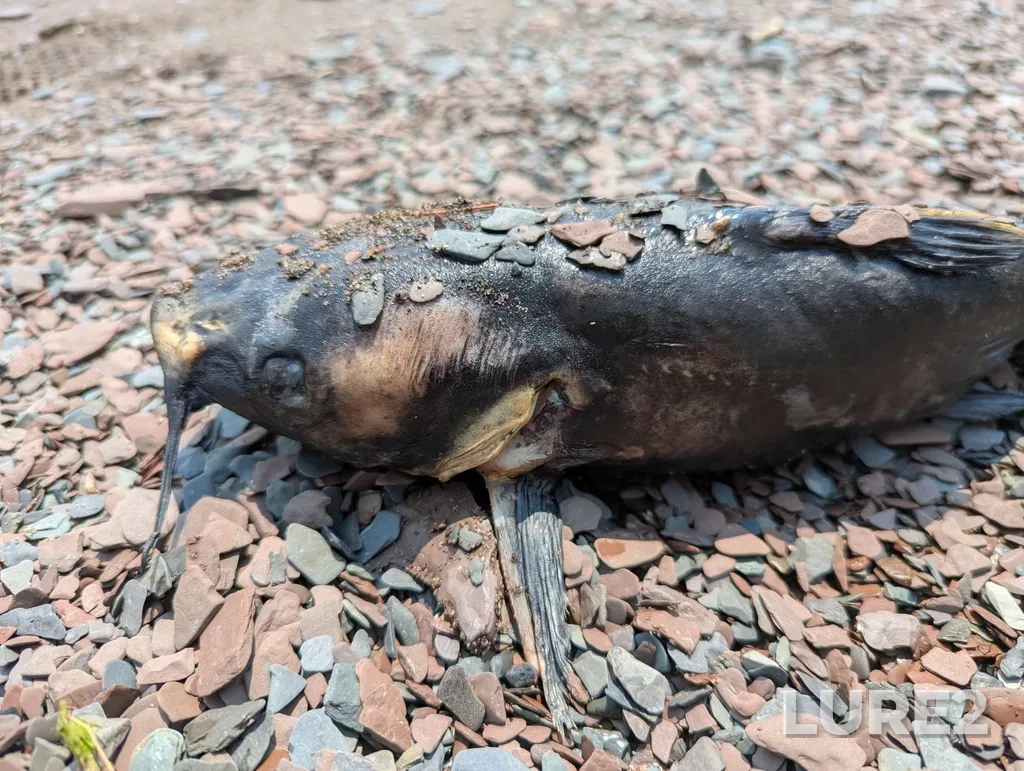
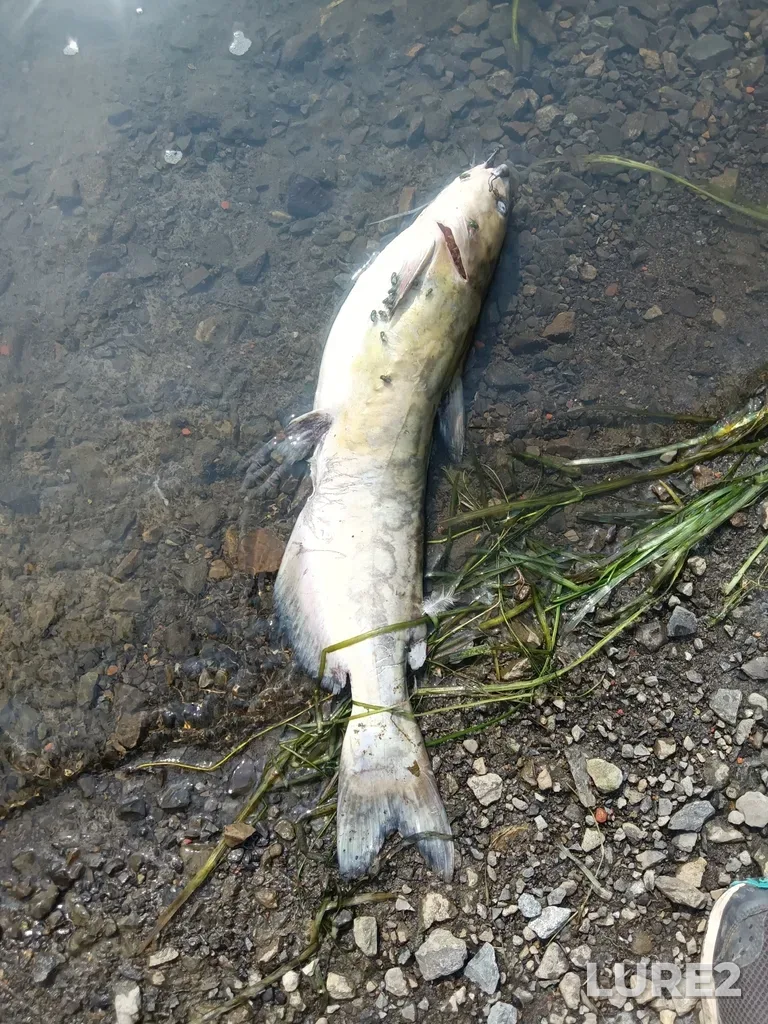
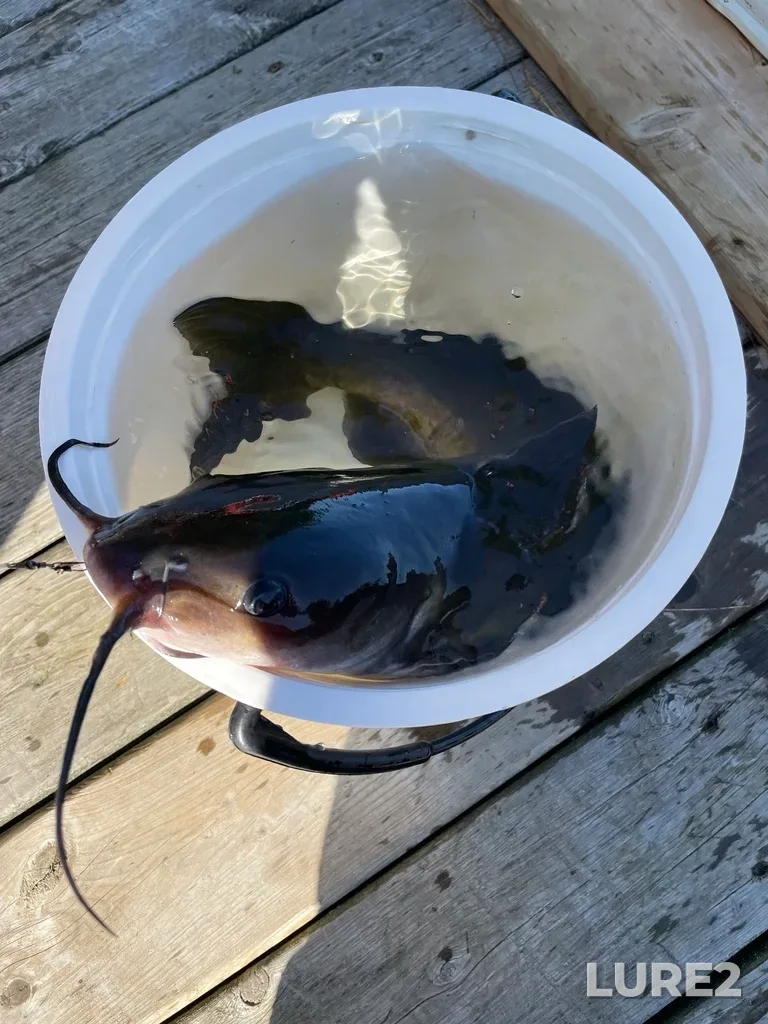
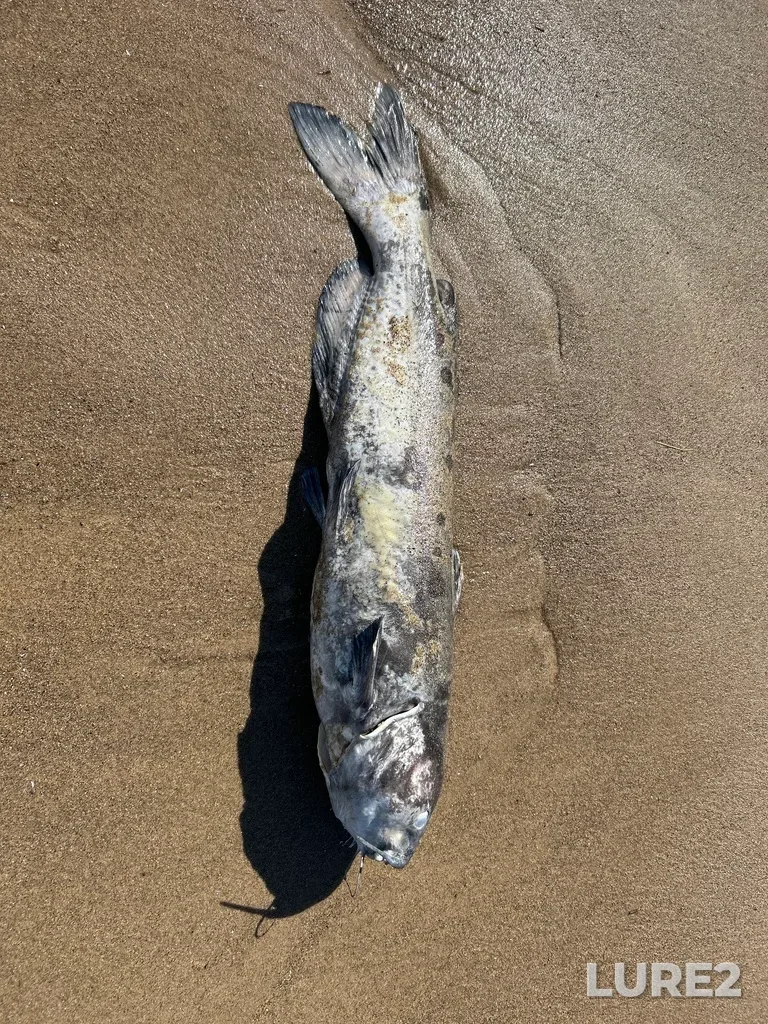
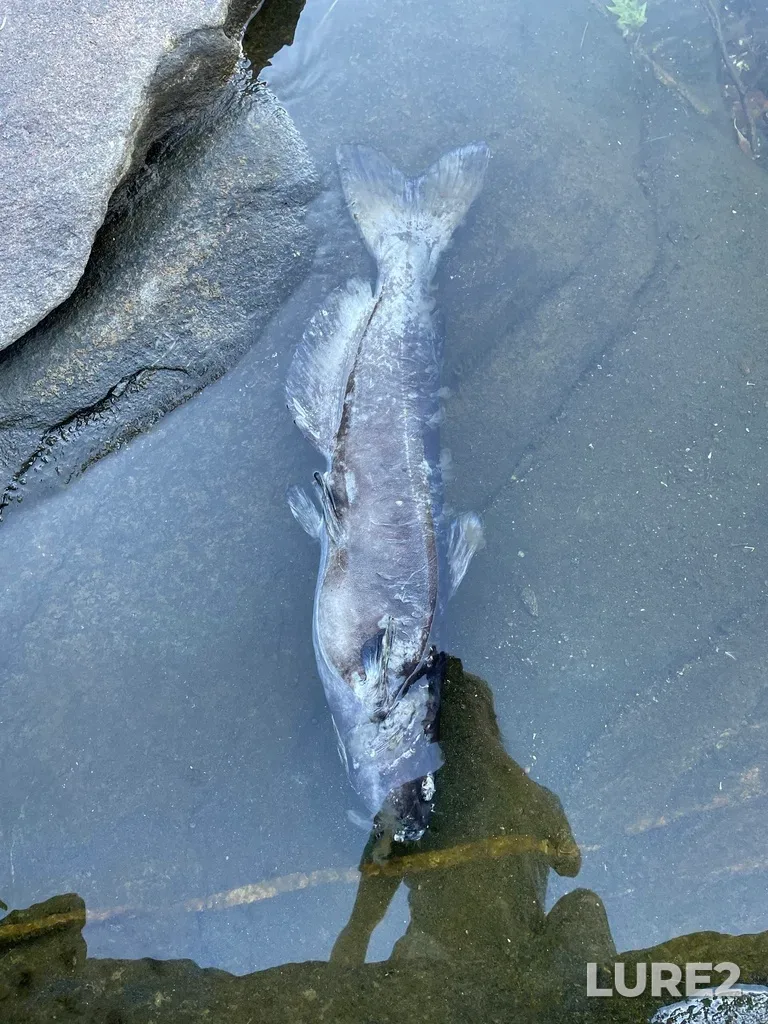
The channel catfish (Ictalurus punctatus) is the most widespread catfish in North America — slate to olive above, white below, with a deeply forked tail, long barbels and scattered dark spots on younger fish. Most rod-caught channels run 0.5–3 kg (1–7 lb); fish over 10 lb are good ones, and river systems produce twenty-pounders.
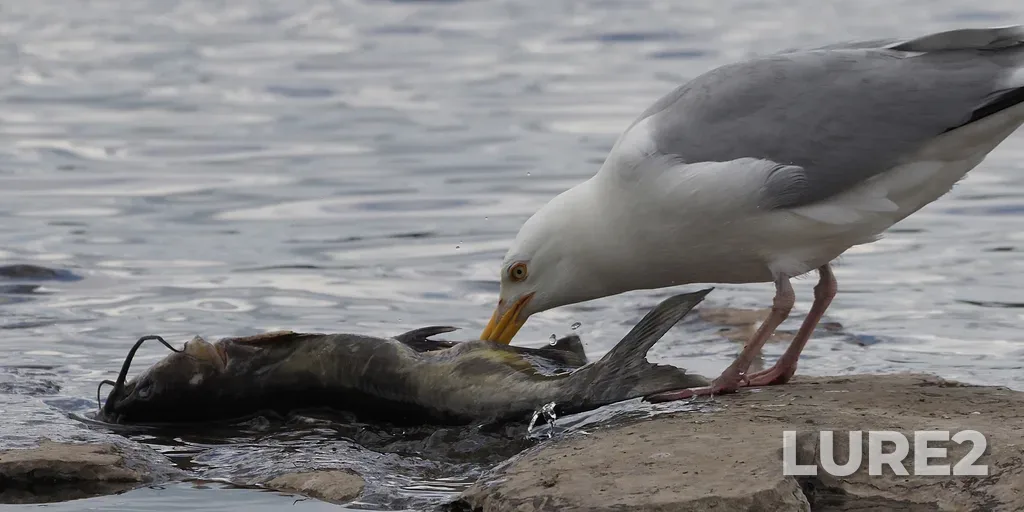
They are opportunistic bottom feeders that hunt by smell and taste as much as by sight, which is why they work so well in stained water and after dark. By day they hold in deeper holes, under cut banks, around timber and in the shade of bridges and dams; at dusk they move onto shallow flats and current edges to feed. Their diet spans insects, crayfish, shad, live and dead fish, and just about anything organic that drifts past.
Spawning and seasons
Channel cats spawn in early summer once water passes about 70–75 °F (21–24 °C) — May in the South, June and even early July in the North. The male finds a cavity — an undercut bank, hollow log, riprap gap or muskrat hole — and guards the eggs and fry, and during that stretch the bite goes quiet for a week or two.
The season is emphatically summer. Prespawn in late spring is excellent, the spawn itself is slow, and then from midsummer through early autumn channels feed heavily and predictably — our catch records show US reports peaking through June, July and August. Autumn cooling brings a strong feed as fish put on weight, and winter concentrates them in deep holes where they still take a slow bait fished on the bottom, just far less often.
When it bites
Night is the classic channel catfish window, especially in summer and on clear water: fish move shallow after dark and feed until dawn. On stained or muddy water they will feed through the day, and a rising, coloured river after rain is one of the best times there is — current washes food into the system and cats move up to the edges of the flow to intercept it.
Warm, stable weather beats a cold front. Water temperature above about 70 °F puts the fish in their prime feeding range; below 50 °F expect long waits between bites and fish the deepest holes. Wind pushing into a bank stacks food and is worth a cast even in daylight.
Methods and tackle
Bottom fishing does almost all of it. A 7–8 ft medium-heavy rod, a 3000–5000 spinning reel or a baitcaster, and 15–30 lb mono or 30–50 lb braid handle anything short of a trophy blue cat. Use a slip-sinker (Carolina) rig so a taking fish feels no weight, or a three-way rig in current, with a 2/0–5/0 circle hook.
Fish two rods where legal: one in a hole, one on the adjacent flat, and let the fish tell you where they are. Drifting a bait across flats from a boat covers water in lakes, and in rivers a bait anchored just downstream of a current break is the standard. Jug lines and trotlines are traditional where legal — check state rules, because they vary sharply.
Baits and lures
Smell wins. Fresh cut bait — shad, bluegill or sucker, cut into chunks — is the most consistent bait for better fish, and fresh matters far more than the species. Nightcrawlers, chicken liver, shrimp and prepared dip or punch baits all catch numbers of eating-size fish, and dip baits fished on a ribbed worm are hard to beat in summer.
Live bait — a small bluegill or shiner where legal — takes the biggest channels, especially in rivers. Artificial lures are a minor tactic for this species, though channels do take jigs and crankbaits fished slowly along the bottom. Keep bait fresh and re-bait often: a washed-out bait catches nothing, and the scent trail is the whole point.
Playing and tips
Circle hooks pay for themselves here: let the rod load and reel into the fish rather than striking, and the hook finds the corner of the jaw instead of the throat. A channel cat fights with heavy, dogged runs and will bury itself in cover, so keep the drag firm and the fish's head coming.
Handle them carefully: the pectoral and dorsal spines are sharp and the sting is unpleasant, so grip a smaller fish from behind the pectoral fins and support a bigger one under the belly with both hands. Check daily and length limits, which vary by state and often by water, and note that many states manage trophy-sized flathead and blue catfish separately from channels even though they share the same holes.