Largemouth bass in Canada — catches, stats & how to catch
Largemouth bass across US lakes, ponds and rivers: where they hold season by season, spring spawn timing, tackle, and the lures that catch them. Map, top water bodies, and analytics — based on real angler reports.
Bite calendar for Largemouth bass
The best days and hours to fish — a bite forecast factoring in pressure, wind, temperature, and the moon phase.
Open the bite forecast →Description and behaviour
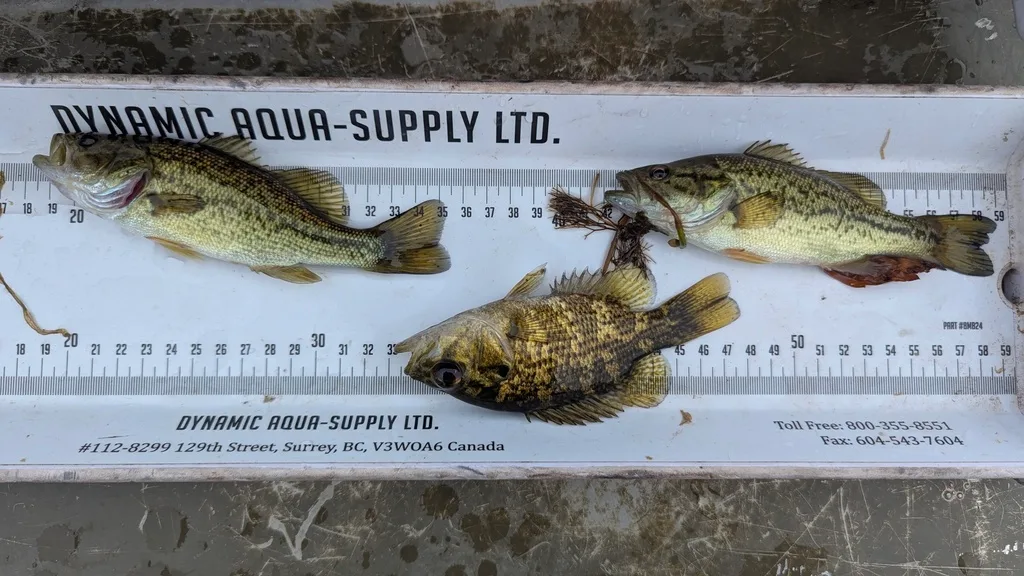
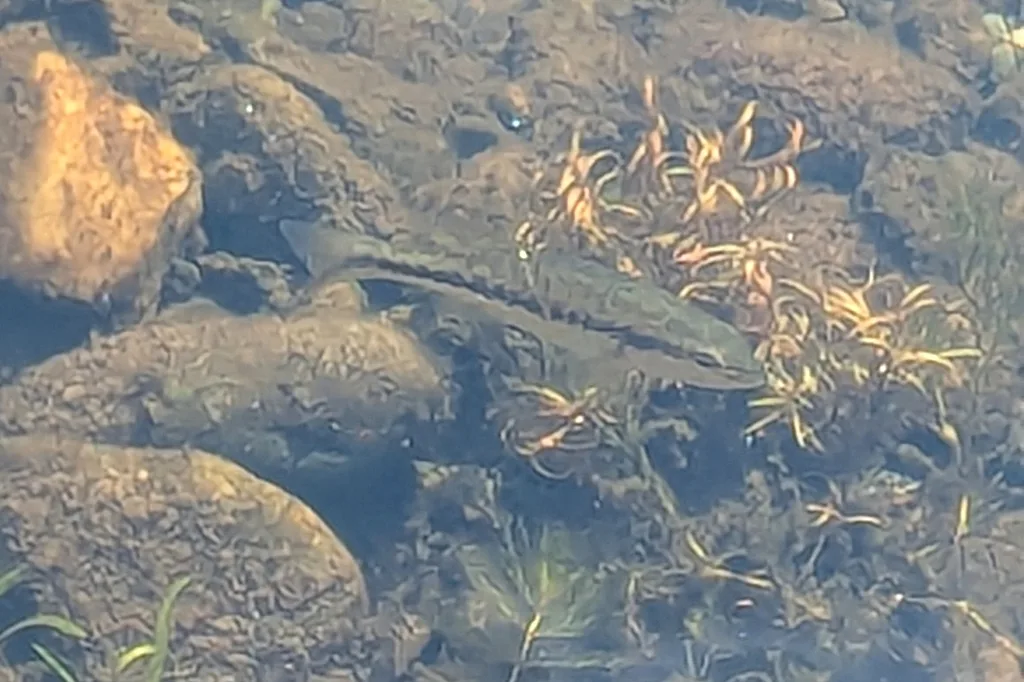
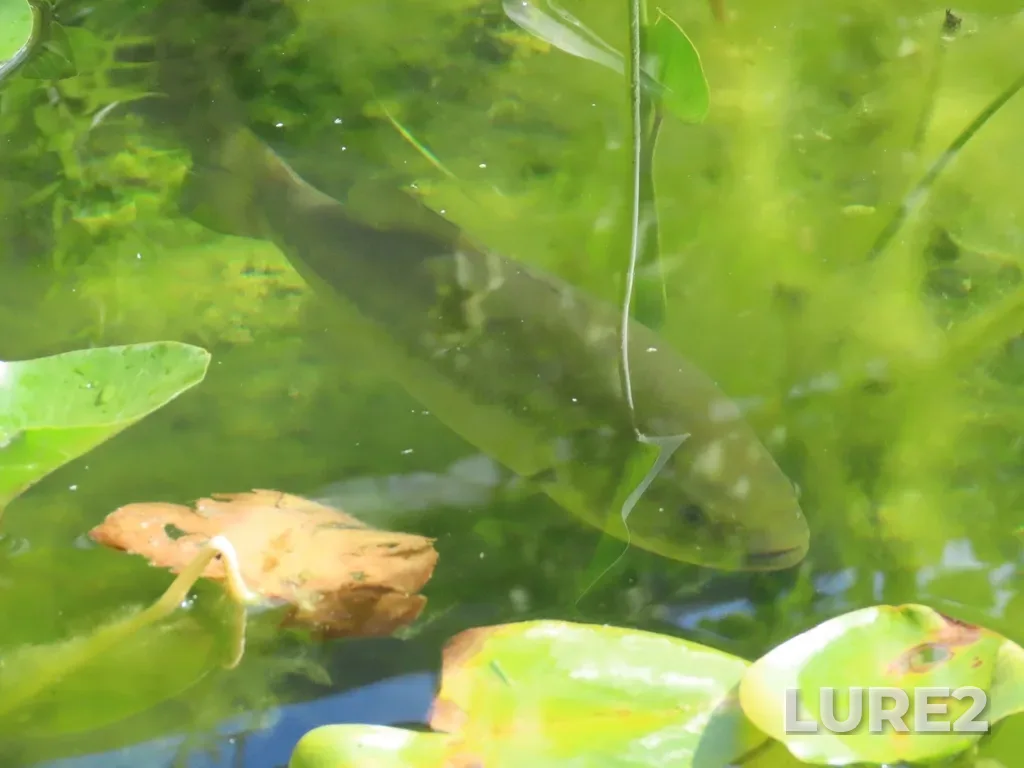
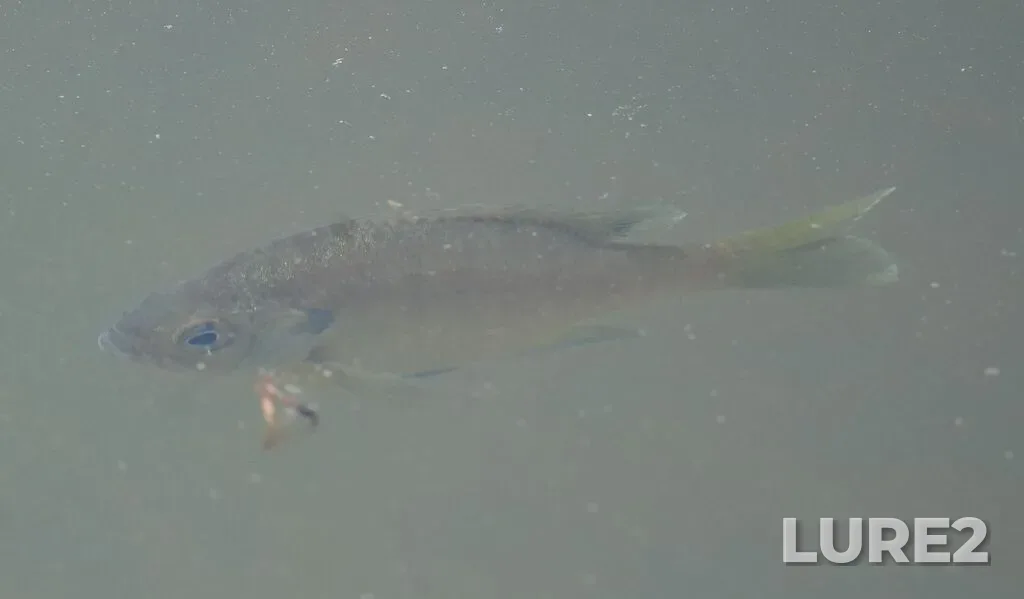
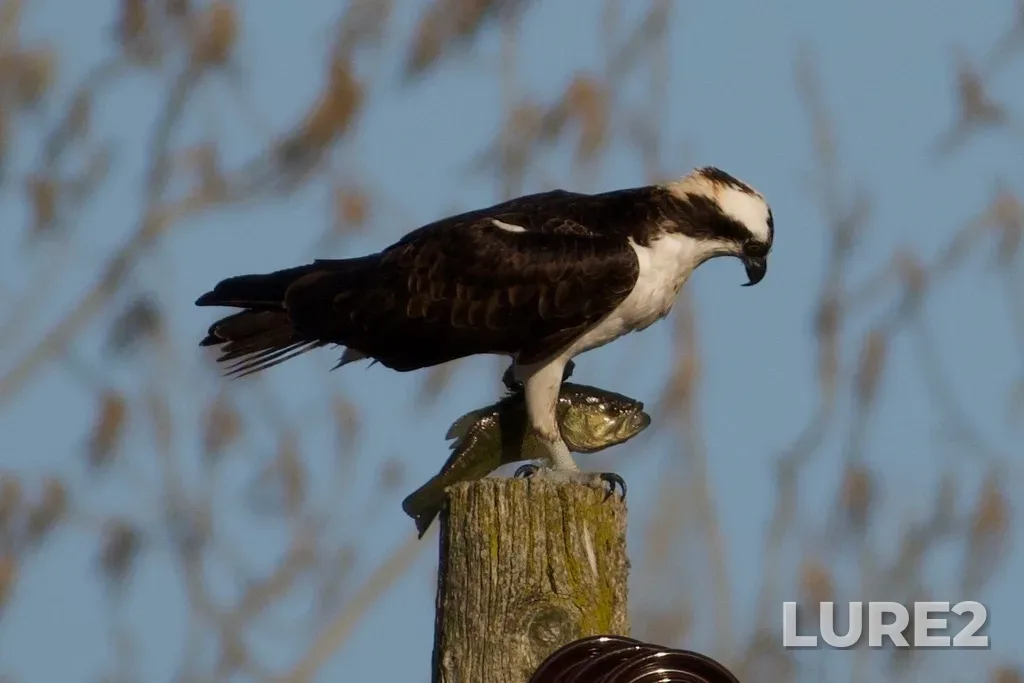
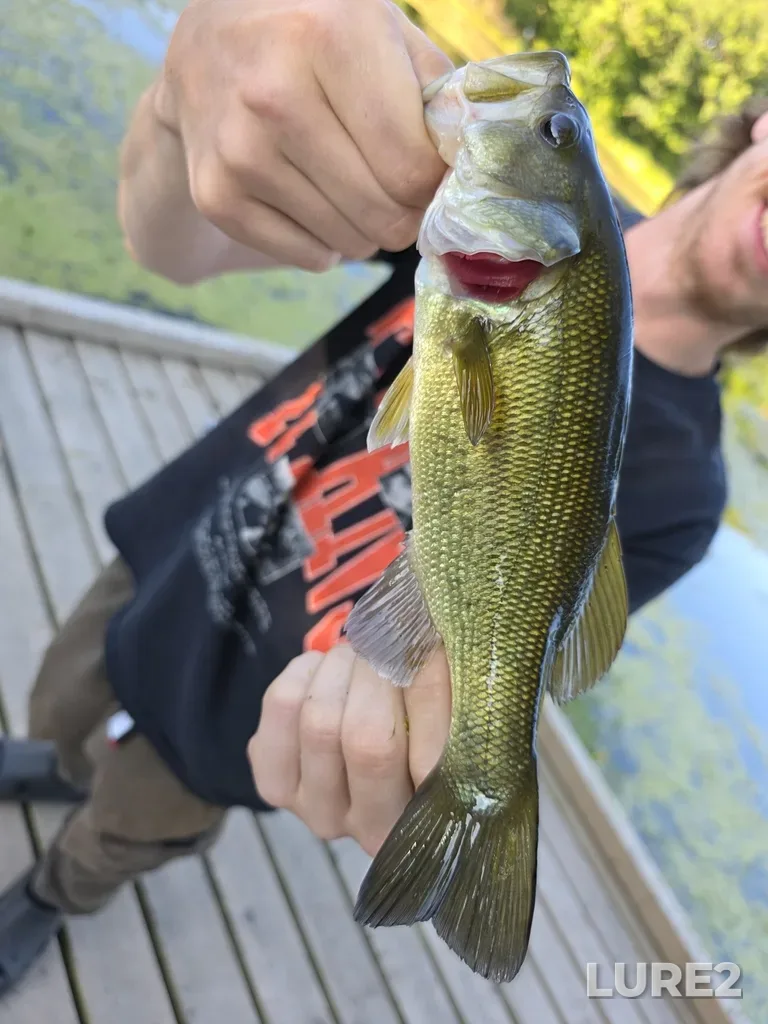
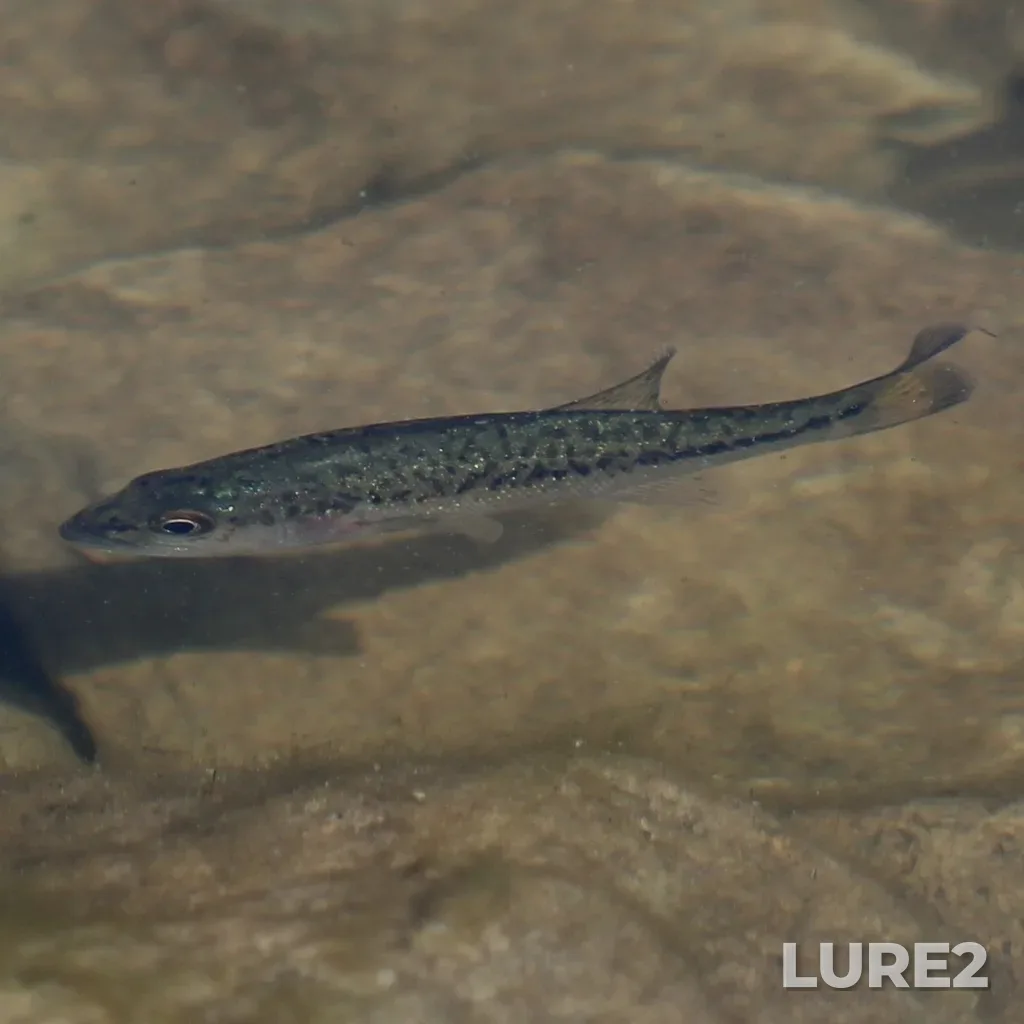
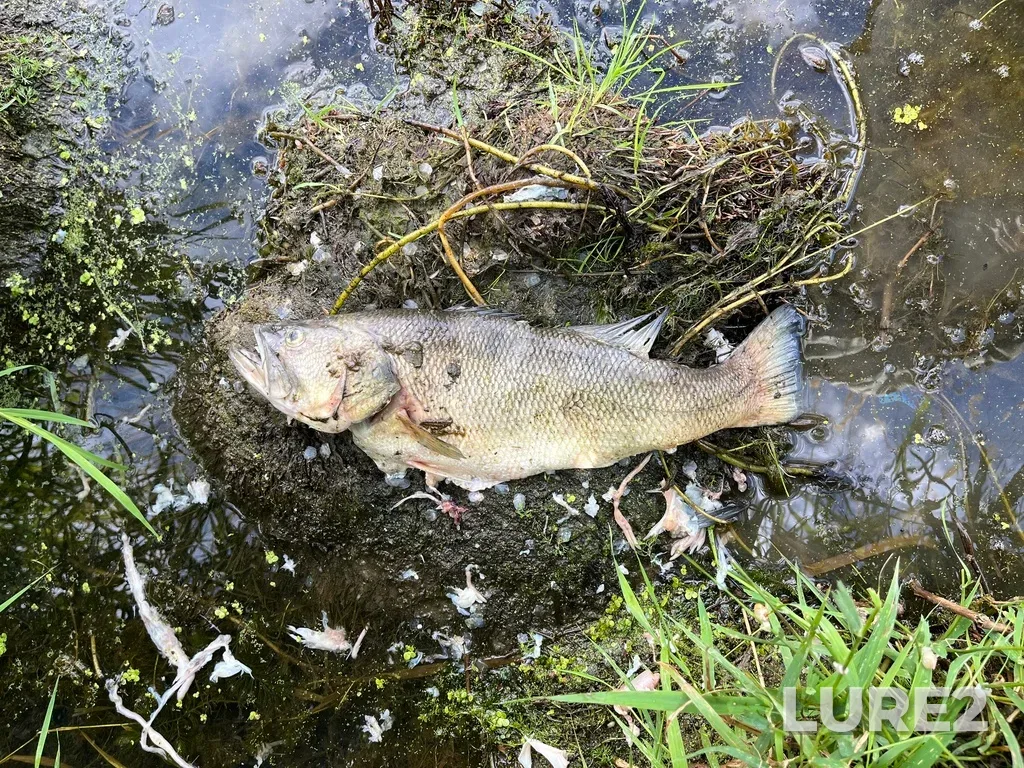
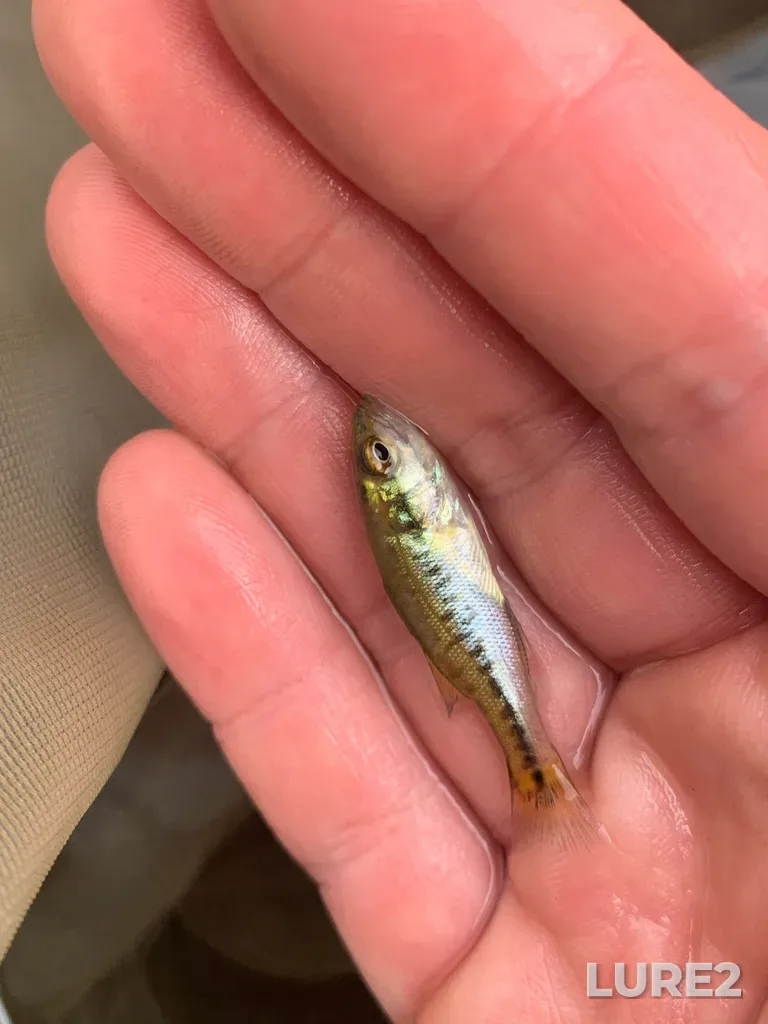
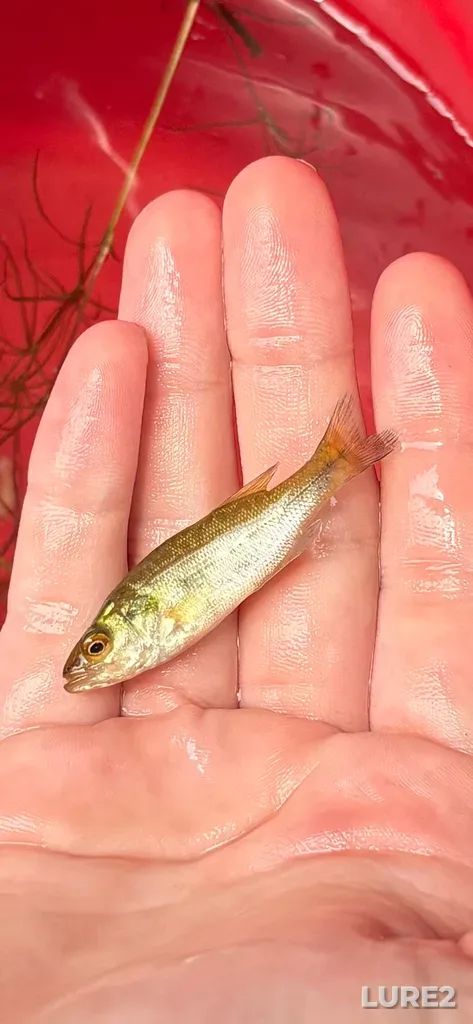
The largemouth bass (Micropterus salmoides) is the most-fished freshwater gamefish in the United States — an olive-green ambush predator with a dark lateral blotch band and a jaw that hinges back past the eye, which is what separates it from its smallmouth cousin. A typical fish runs 1–2 kg (2–4 lb); a five-pounder is a good one anywhere north of the Gulf states, while Florida and Texas grow genuine double-digit fish.
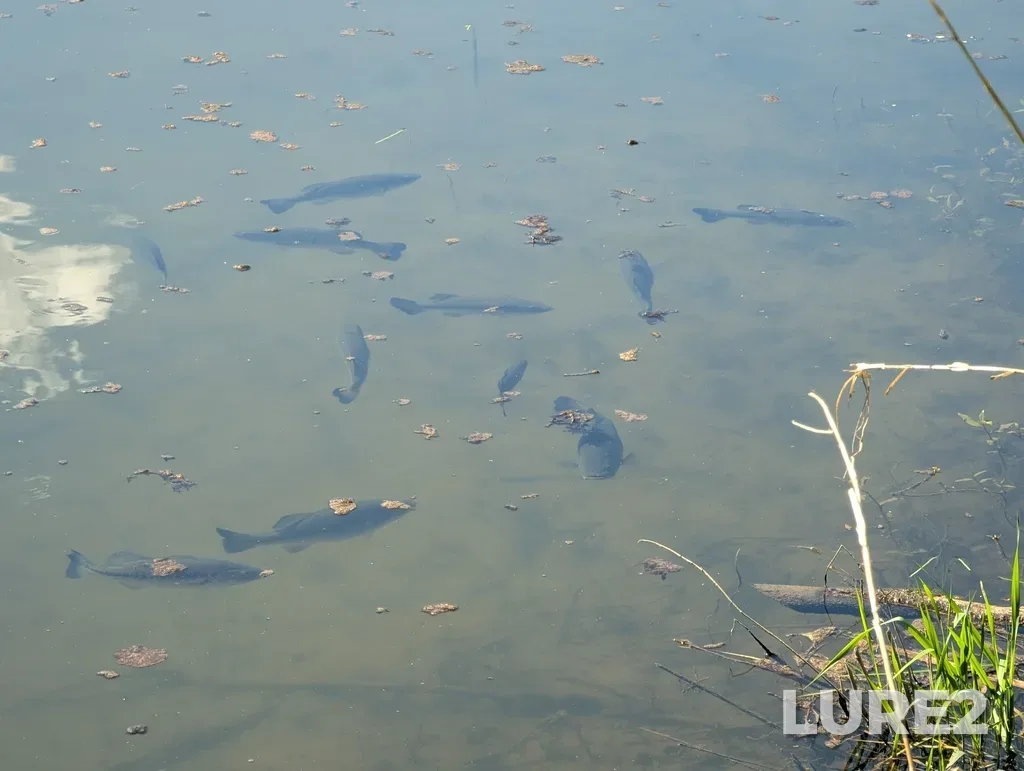
Largemouth are cover fish, not open-water roamers. They set up on anything that breaks the light and the current — laydowns, dock pilings, hydrilla and lily pads, flooded brush, riprap seams — and wait for a bluegill, shad or crawfish to pass. That habit shapes everything about catching them: you are not searching water so much as searching structure, and an accurate cast into the shade beside a stump beats a long cast down open bank almost every time.
Spawning and seasons
Largemouth spawn when water holds around 60–70 °F (16–21 °C), and that date is the single biggest reason bass seasons differ across the country: Florida beds in January and February, the mid-South in March and April, the northern tier in May and into June. Ahead of it comes the prespawn — the most reliable big-fish window of the year, when heavy females stage on the first drop outside the spawning flats and feed hard.
After the spawn the fish are sore-mouthed and slow for a week or two, then settle into a summer pattern: deep structure and heavy shade by day, shallow feeding at dawn and dusk. In the Deep South midsummer is genuinely the slow season, with the fish pushed off by heat and low oxygen — our own catch records show southern reports peaking in February and March and bottoming out in July, while northern reports run exactly opposite and peak in June and July. Autumn brings a shad-chasing feed in the creeks; winter concentrates fish deep and slow, but the biggest fish of the year often come to a slow-rolled bait in cold water.
When it bites
Low light is the bass angler's friend. First and last light, overcast skies and a light chop on the surface all push fish up and out of cover to hunt, while high bright sun in dead calm drives them tight to shade and down the water column. A falling or steady barometer usually fishes better than a sharp rise behind a cold front — post-frontal bluebird days are the classic tough conditions, and the answer is usually a slower bait right in the cover rather than a faster one.
Water temperature tells you the pattern before you make a cast: below 50 °F think slow and deep, 55–65 °F think prespawn and moving baits, above 80 °F think early, late and shade. A bite forecast and moon calendar are worth a glance when picking the day — spawning waves in particular track the full and new moons of the spawning months.
Methods and tackle
Two outfits cover almost everything. A 7 ft medium-power spinning rod with a 2500–3000 reel and 10–15 lb braid to a fluorocarbon leader handles finesse work — shaky heads, Ned rigs, wacky worms, drop shot — and is the right answer on pressured or clear water. A 7–7.5 ft medium-heavy baitcaster with 30–50 lb braid or 15–20 lb fluorocarbon covers everything with weight or hooks in cover: Texas rigs, jigs, crankbaits, spinnerbaits and topwater.
For heavy vegetation, step up to a flipping stick and 50–65 lb braid — in matted grass and pads the fight is a short vertical tug of war, and light line loses it. Boat, kayak or bank matters less than casting angle: work the bait parallel to the cover so it stays in the strike zone, rather than perpendicular where it passes through in a second.
Baits and lures
Soft plastics do most of the work. A Texas-rigged creature bait or 6–10 in worm is the standard for cover; a Ned rig or wacky-rigged stick bait is the standard for tough days; a swimbait covers water and calls out bigger fish. A 3/8–1/2 oz jig with a craw trailer is the classic big-fish bait around wood and rock, especially in cold water.
Among hard baits, squarebill crankbaits shine when deflecting off cover in spring, lipless cranks rip through grass, and deep-diving cranks work summer ledges. Spinnerbaits earn their keep in wind and stained water. Topwater — walking baits, poppers and frogs over mats — is the most exciting way to fish them, best at dawn, dusk and through the autumn shad feed. Match colour to clarity: natural greens and browns in clear water, chartreuse and black-blue in stained water.
Playing and tips
Bass jump and shake their heads to throw a bait, so keep the rod loaded and the line tight, and never give slack on a jumping fish. Around heavy cover, set hard and keep the fish coming — let it turn back into the brush and you will lose it. Land a bass by lipping it with the thumb inside the lower jaw, supporting the belly with the other hand for anything heavy; do not hold a big fish horizontally by the jaw alone.
Check the local rules before you fish: seasons, slot limits and bag limits are set state by state and often lake by lake, and many waters protect bedding fish in spring. Bass handle catch-and-release well if you keep them wet, unhook them quickly and revive them before letting go — which matters most in warm summer water, when a long fight and a long photo session are what kill fish.