Yellow perch in Canada — catches, stats & how to catch
Yellow perch in northern US and Canadian lakes: schooling behaviour, the spring spawn, ice fishing, light tackle and small jigs. Map, top water bodies, and analytics — based on real angler reports.
Bite calendar for Yellow perch
The best days and hours to fish — a bite forecast factoring in pressure, wind, temperature, and the moon phase.
Open the bite forecast →Description and behaviour
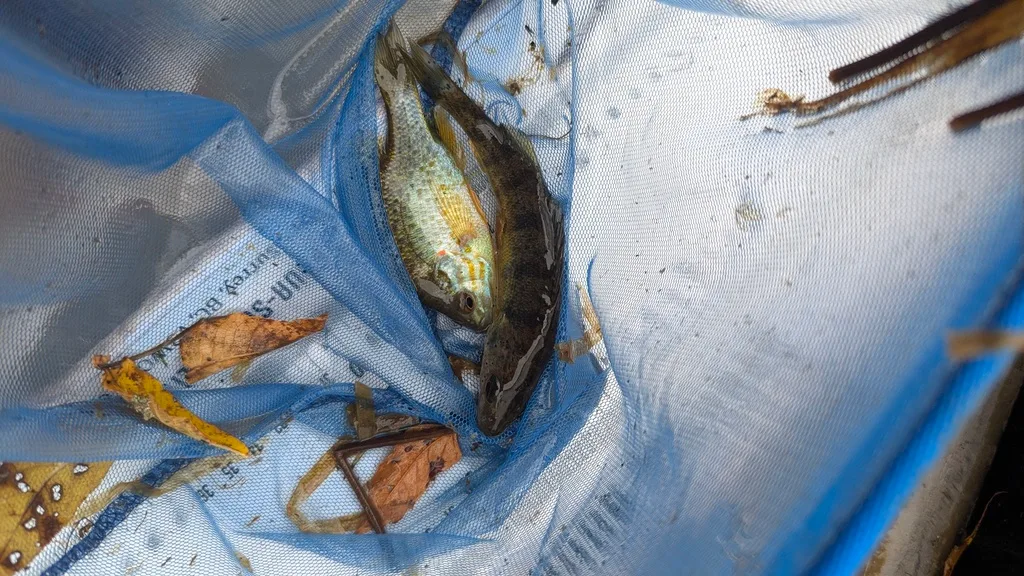
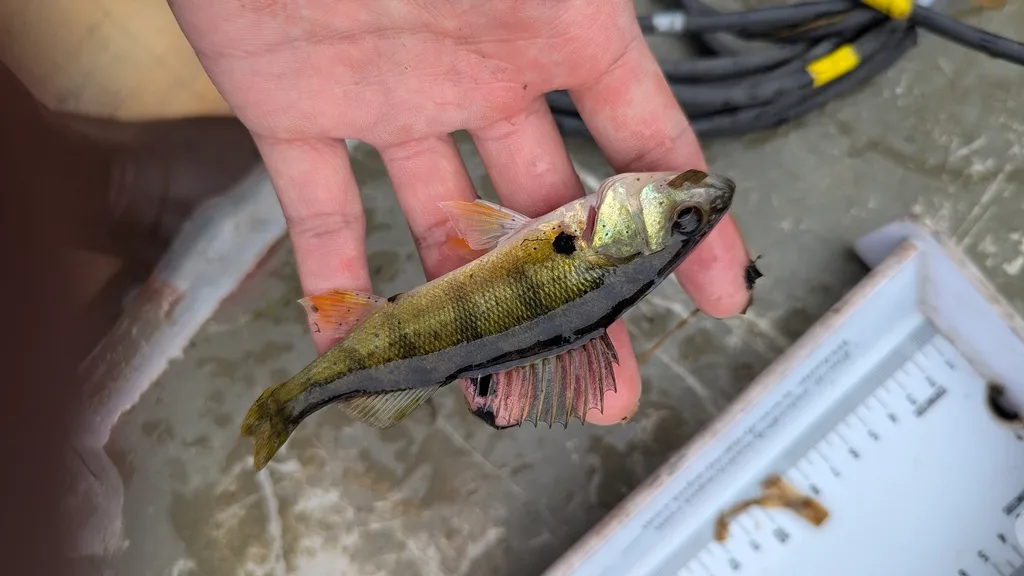
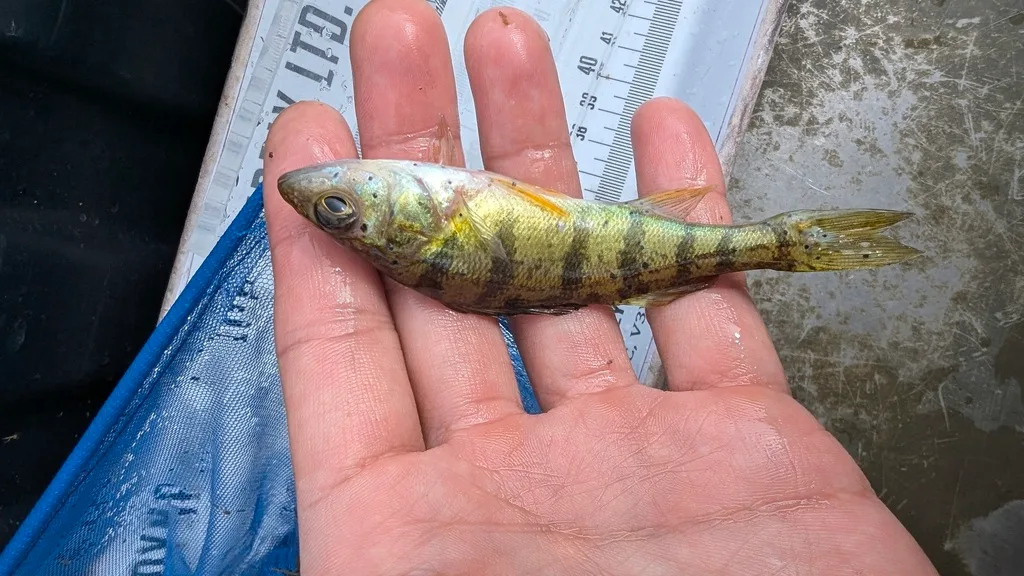
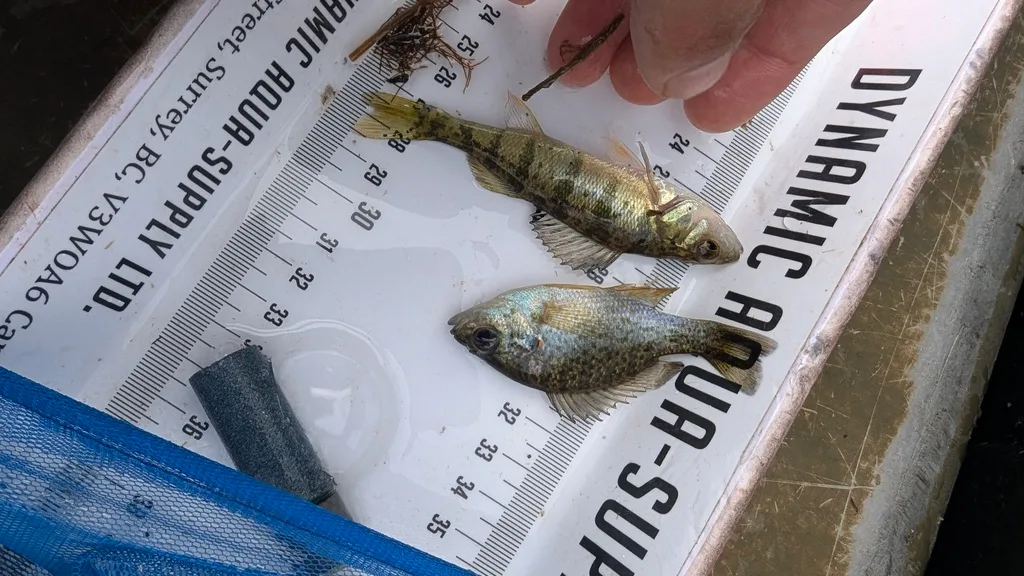
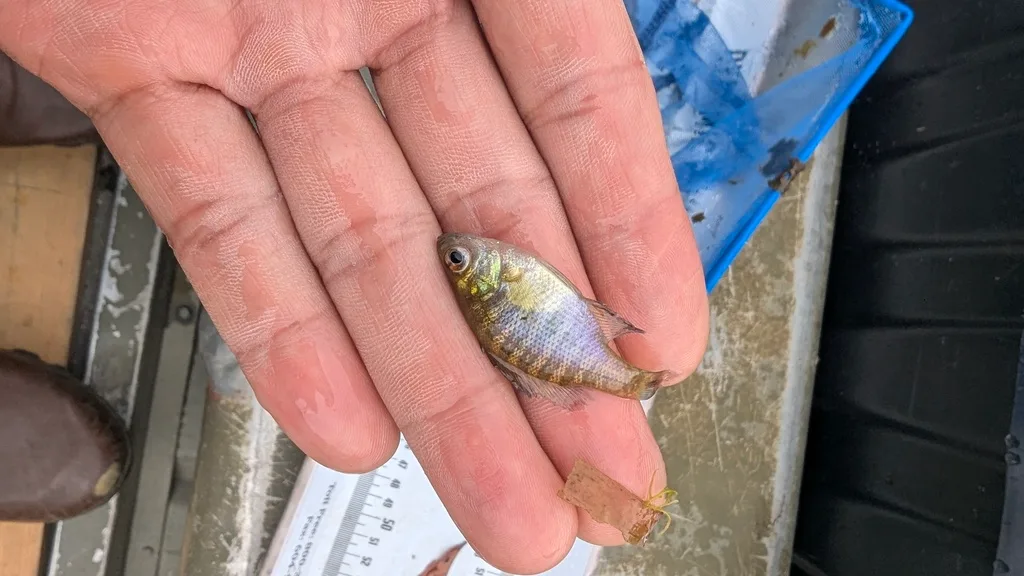
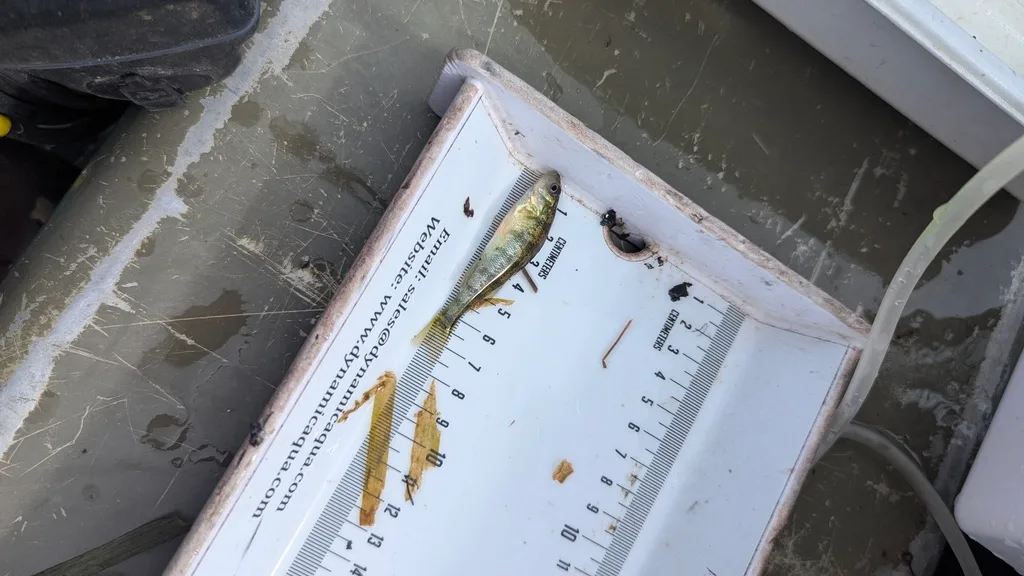
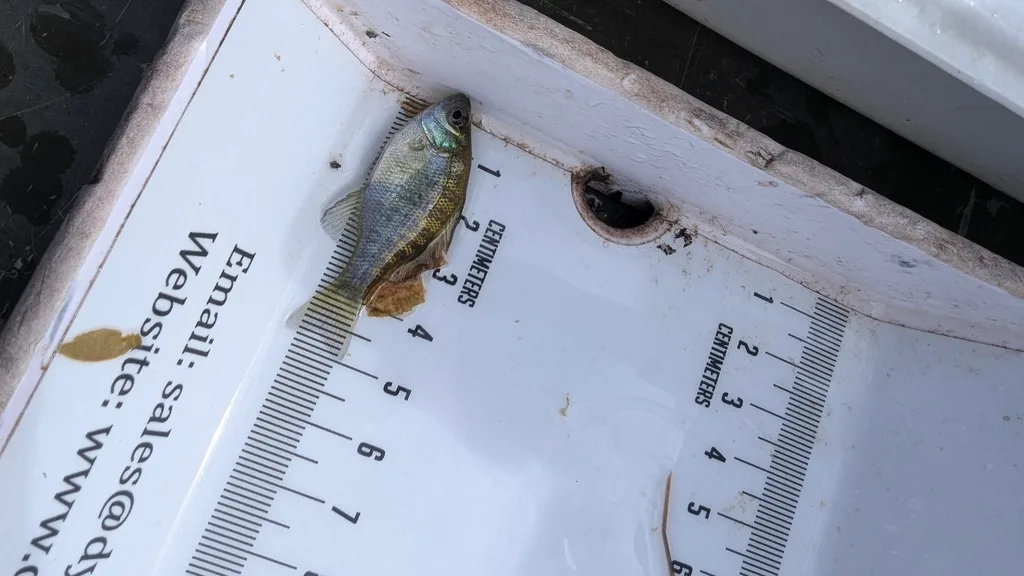
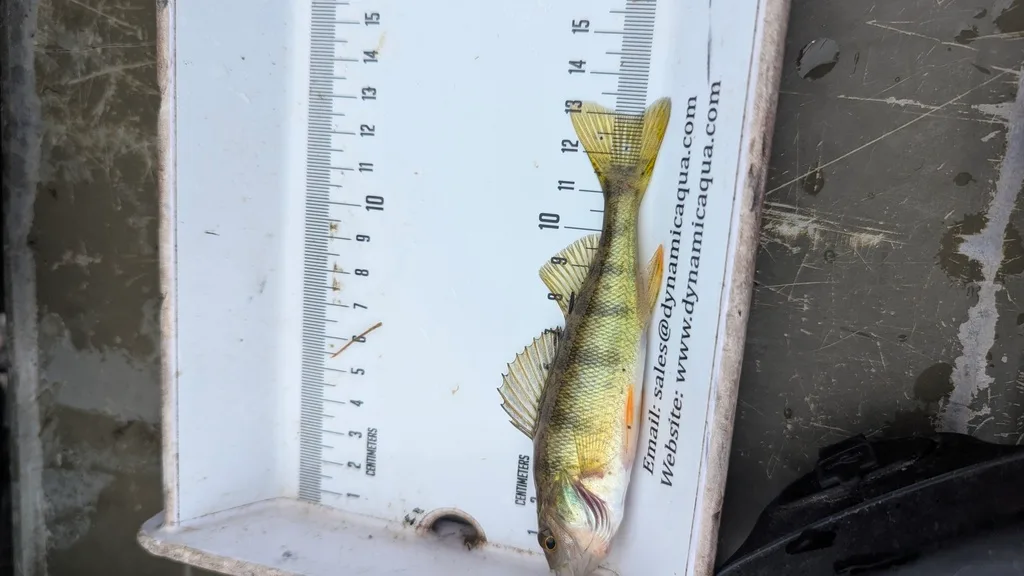
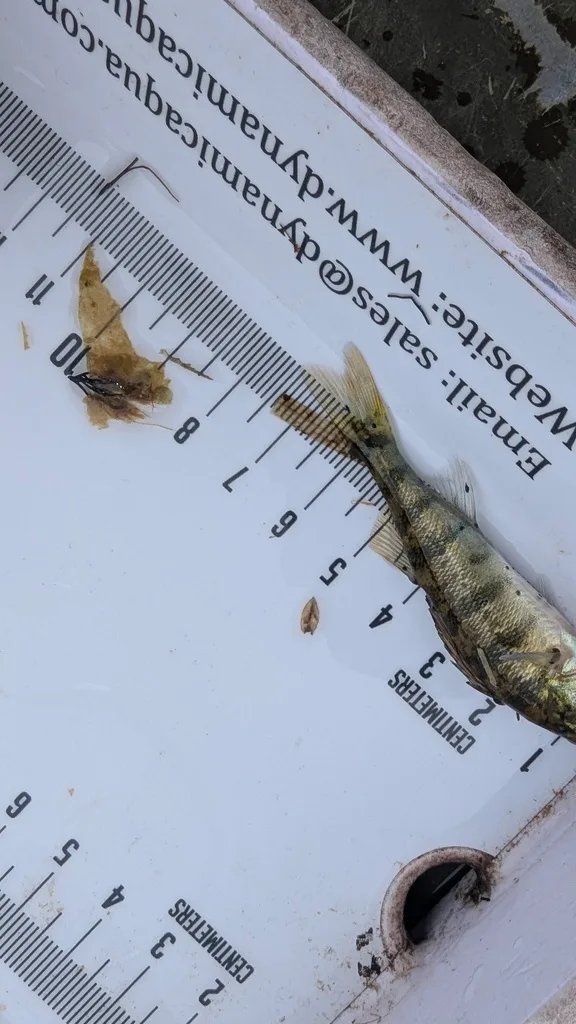
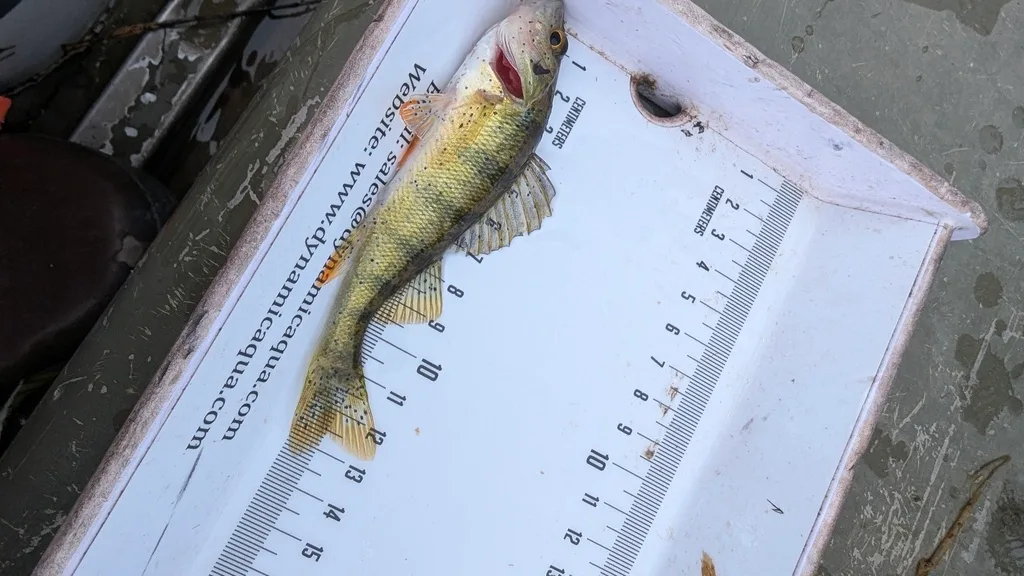
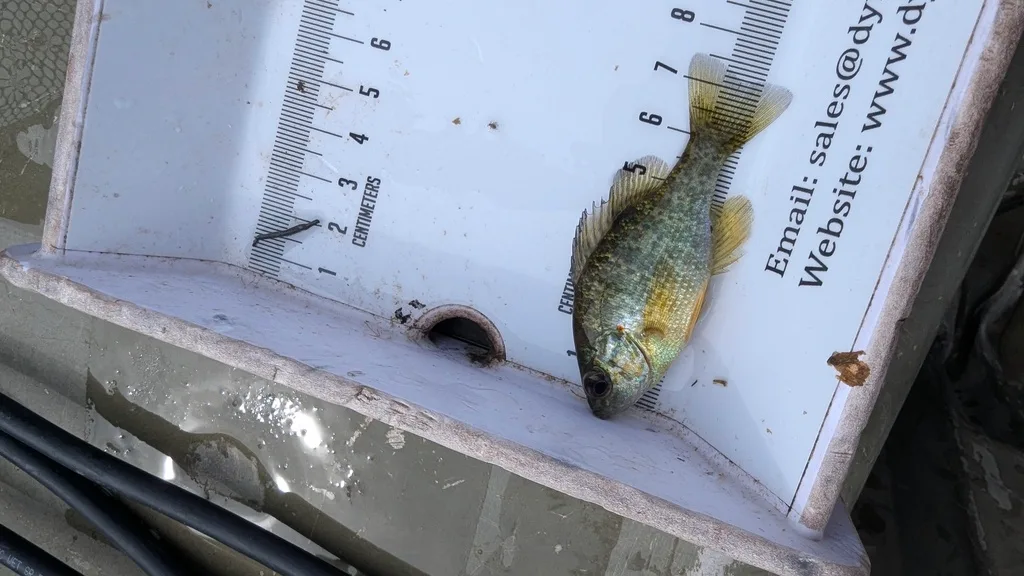
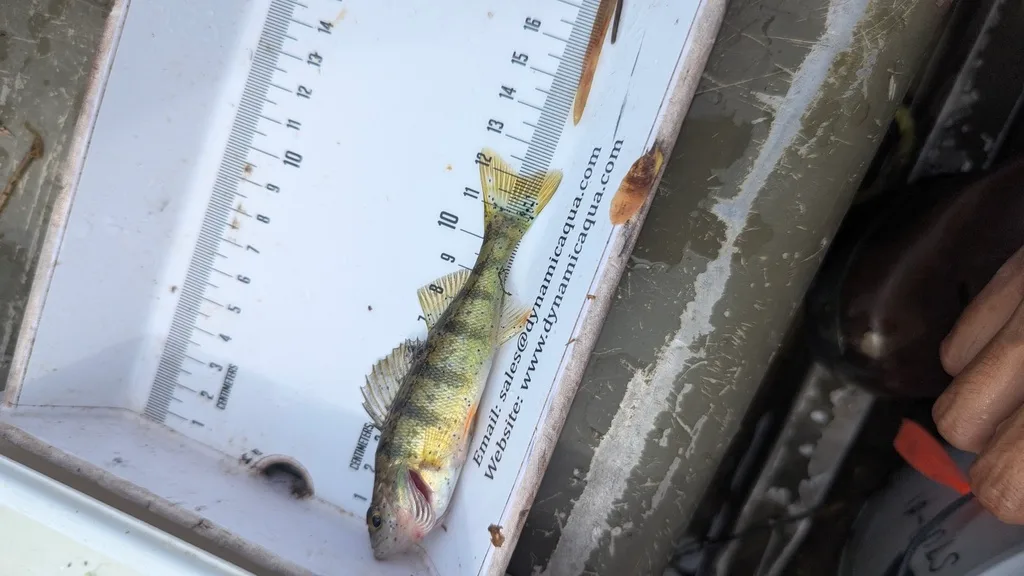
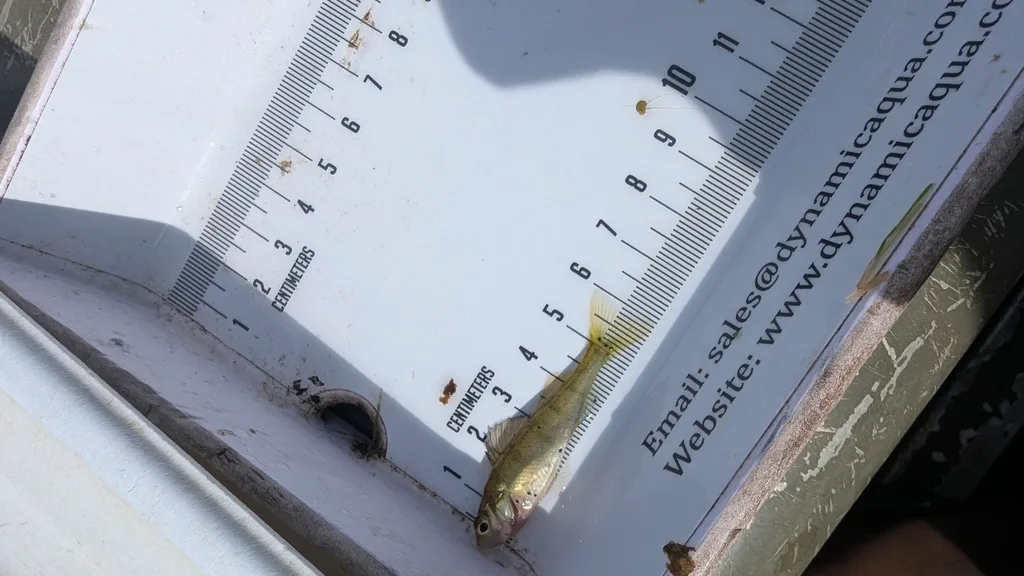
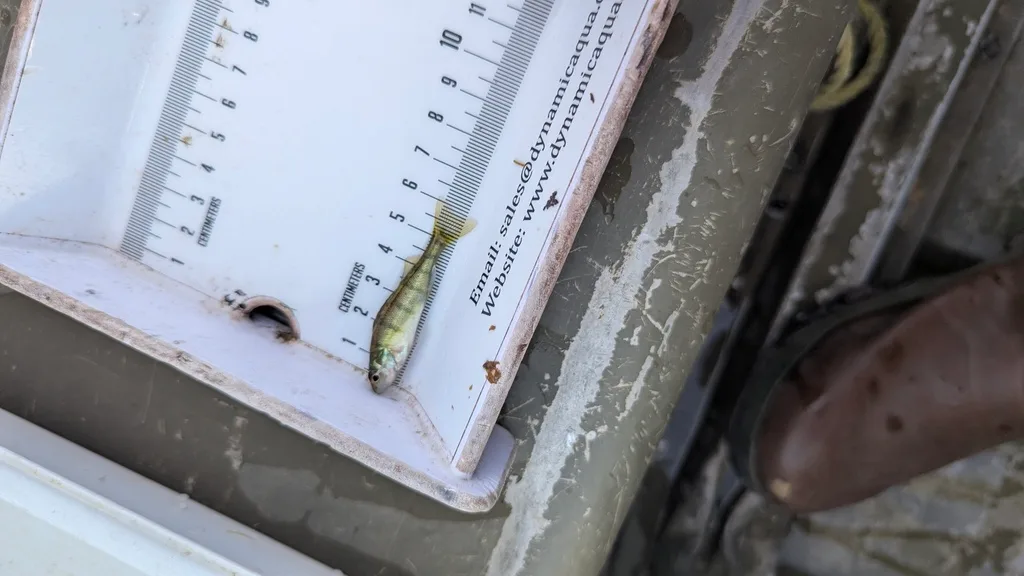
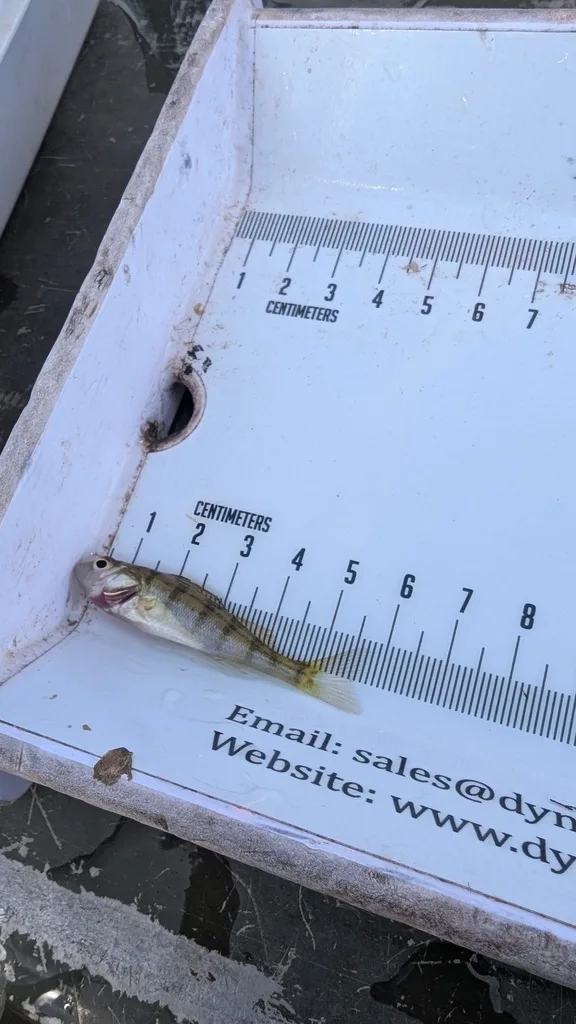
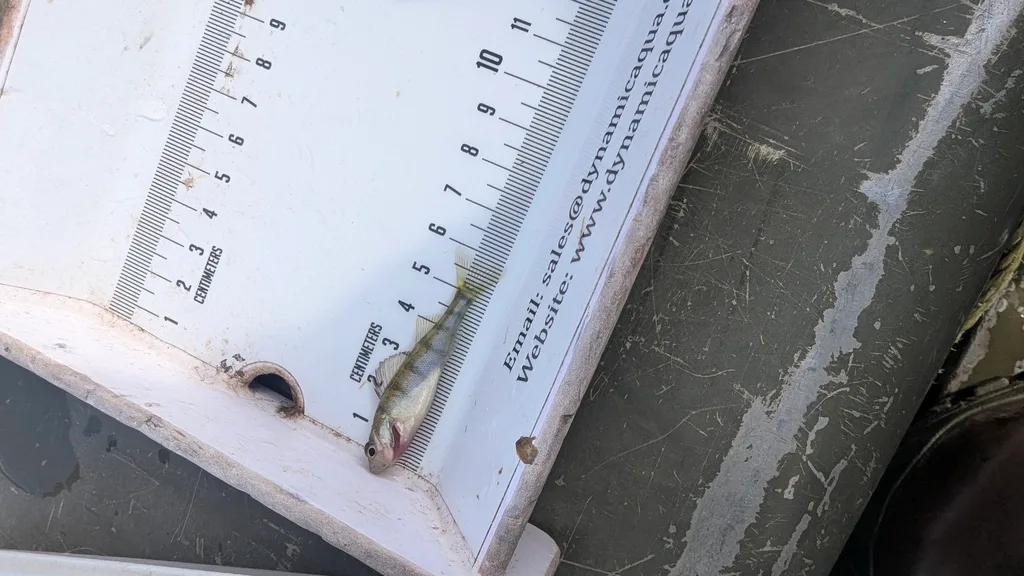
The yellow perch (Perca flavescens) is a golden-flanked panfish with six or seven dark vertical bars and orange-tinted lower fins, close kin to the European perch and just as willing to bite. Most fish run 15–25 cm (6–10 in); a 12 in “jumbo” perch is a prize, and the biggest come from big, clear northern lakes.
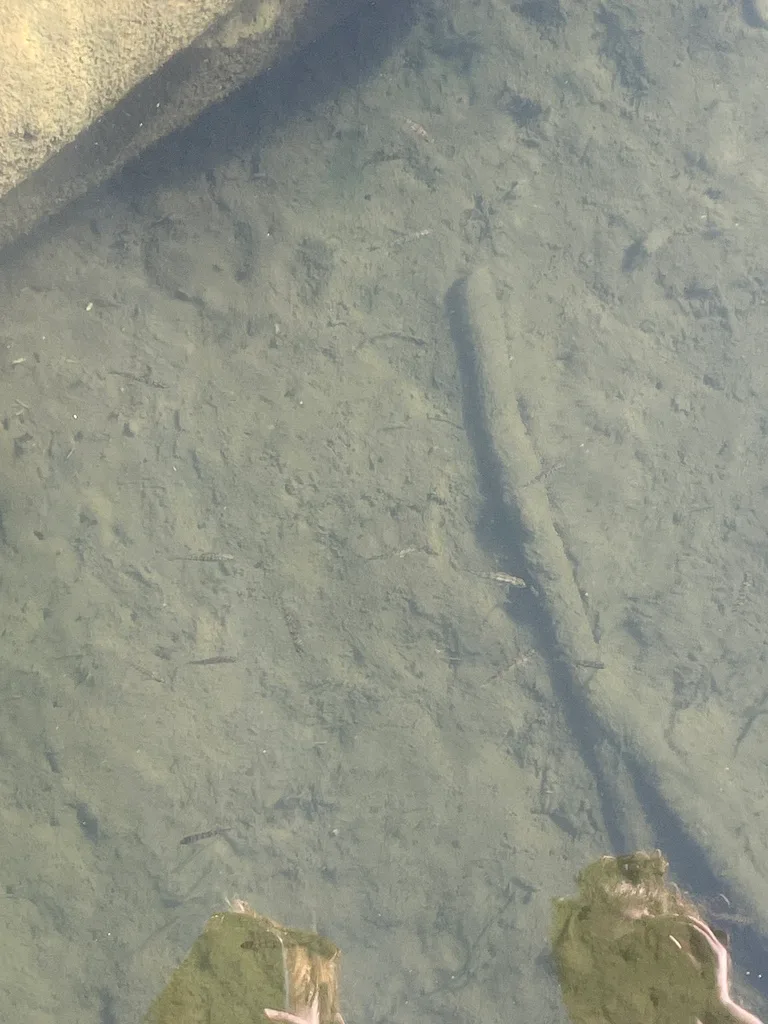
Perch are daytime schooling fish that hunt by sight along the bottom. They travel in tight groups sorted by size, working weed edges, sand and gravel flats, drop-offs and around structure for insect larvae, small crayfish and minnows. Because the school moves and feeds together, catching perch is a matter of finding the school and then staying on it — drift, mark the spot, and expect the bite to switch on and off as the group passes.
Spawning and seasons
Yellow perch spawn early, soon after ice-out, when water reaches roughly 45–52 °F (7–11 °C) — March in the mid-latitudes, April and May in the far north. The female drapes a distinctive accordion-like ribbon of eggs over weeds, brush or gravel in shallow bays, and both sexes gather in numbers just before it, which makes the prespawn one of the best windows of the year.
The other peak is winter. Perch are among the most reliable ice-fishing targets in North America and feed actively under the ice through the whole hard-water season — our own catch records for the northern US show reports peaking in January and February, with a second rise around the spring spawn. Summer scatters the schools deeper and makes them harder to pin down; autumn cooling pulls them back to the flats and reliably improves the fishing.
When it bites
Perch are a daylight fish — unlike most predators here, they feed best in bright conditions and shut down after dark, so the middle of the day is genuinely productive. Sunny, stable weather over a clean sand or gravel flat is the classic setup, and a light chop helps in clear water.
Under the ice, first light and the last two hours of daylight are the strongest windows, with a midday lull that is smaller than for most species. Stable pressure fishes better than a front. Since the school is constantly moving, the practical rule is simple: if you have not had a bite in ten minutes, move — perch fishing rewards hole-hopping and drifting far more than patience in one spot.
Methods and tackle
Light and simple. A 6–7 ft light or ultralight spinning rod, a 1000–2500 reel and 4–6 lb line covers open water; through the ice, a 24–32 in light jigging rod with 2–4 lb line and a spring bobber for detecting soft bites.
The standard open-water presentations are a small jig tipped with bait, a drop shot on deeper flats, and a slip-float rig over weed edges. Through the ice, jig a small spoon or tungsten jig aggressively to call the school in, then hold still — perch usually take on the pause. Two-hook “perch rigs” fished on the bottom from a boat cover the water column and sort out the depth the school is holding at.
Baits and lures
Live bait leads: minnows, small worms, and above all maggots and larvae in winter, fished on a small jig or plain hook. Perch also eat their own kind, and a strip of perch belly meat is a traditional and very effective tipping bait where legal.
Among artificials, 1/16–1/32 oz jigs with small soft plastics, tungsten ice jigs, small spoons and blade baits do the work. Bright chartreuse, orange and gold suit stained water and winter; natural perch and minnow patterns suit clear water. Downsizing is almost always the right answer when the school is present but refusing — perch have small mouths and get selective under pressure.
Playing and tips
The fight is short, but the hook hold is not: perch have bony mouths and a habit of shaking free at the surface, so keep pressure steady and swing only the smallest fish. Handle them mindful of the sharp spiny dorsal — run your hand from head to tail, not the other way.
Check state and provincial rules: perch carry daily bag limits and, on some waters, size limits, and a few lakes close during the spawn. They are among the best-eating freshwater fish on the continent, which is exactly why keeping a sensible number of mid-sized fish and releasing the jumbos matters — the biggest perch are the ones that keep producing them.