Fishing reports
1 reportSummary of all reports
Biting
Fish in 1 of 1 report · Mostly Rainbow trout
- 1 with fish
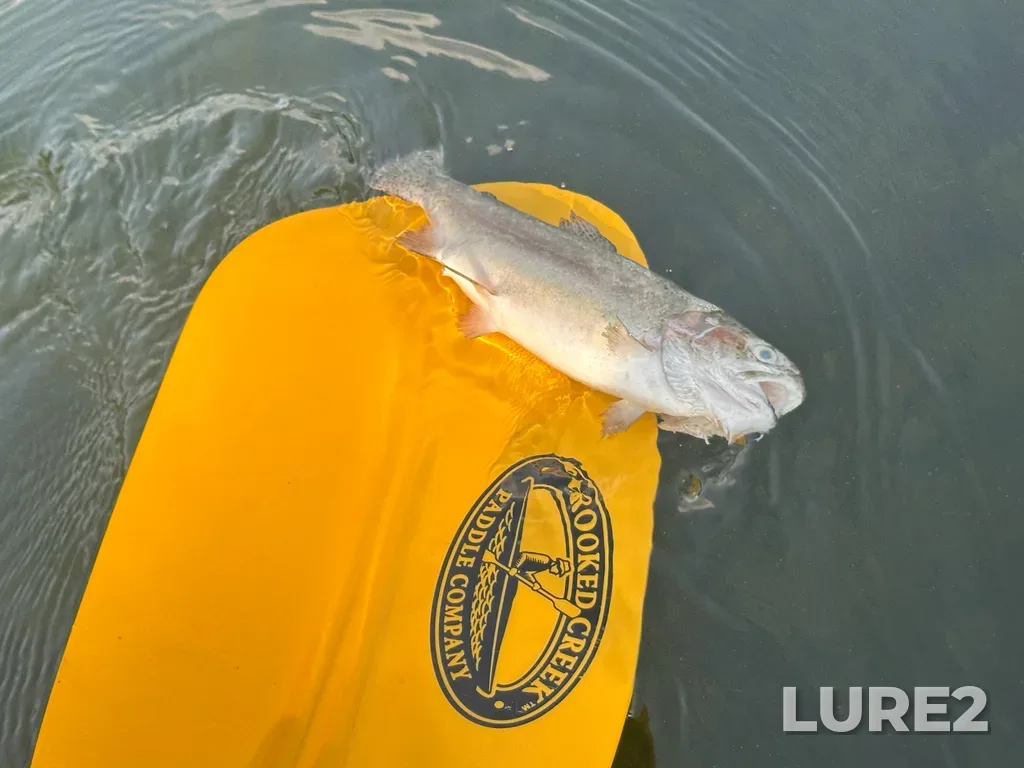
Anglers have logged 1 fishing report here. Most commonly caught: Rainbow trout. Peak season: July.
Did not find what you were looking for, or something looks wrong? Tell us — we read every message.
Star Lake (Alberta) — one of the area's fishing spots. About 27 ha in area. See when the bite is best: hourly fish activity for the days ahead, computed from the weather, pressure, and season.
Alberta: the months when each species peaks and when it goes quiet. The current month is outlined.
| Fish | January | February | March | April | May | June | July | August | September | October | November | December |
|---|---|---|---|---|---|---|---|---|---|---|---|---|
| Lake trout | active | peak | peak | peak | peak | active | fair | fair | slow | fair | active | active |
| Whitefish | fair | slow | slow | fair | active | peak | peak | active | active | peak | peak | active |
| Bull trout | fair | slow | slow | slow | fair | peak | peak | active | active | peak | peak | active |
| Cutthroat trout | fair | slow | slow | slow | fair | active | peak | active | active | active | active | active |
| Mountain whitefish | fair | slow | slow | slow | fair | peak | peak | active | active | peak | peak | active |
| Brook trout | slow | slow | slow | slow | fair | active | peak | active | active | active | active | fair |
| Pike | active | fair | fair | fair | fair | fair | fair | active | active | peak | peak | peak |
| Rainbow trout | slow | slow | slow | slow | fair | active | peak | active | active | active | active | fair |
| Sauger | slow | slow | slow | slow | fair | active | active | active | active | active | active | fair |
| Walleye | slow | slow | slow | slow | fair | active | active | active | active | active | active | fair |
| Brown trout | slow | slow | slow | slow | fair | peak | peak | peak | peak | active | fair | slow |
| Burbot | peak | active | fair | fair | slow | slow | slow | slow | slow | slow | active | peak |
| Lake sturgeon | slow | slow | slow | slow | fair | active | active | active | fair | fair | fair | fair |
| Yellow perch | slow | slow | slow | slow | fair | active | active | active | fair | fair | fair | fair |
| Goldeye | slow | slow | slow | slow | fair | fair | active | active | fair | fair | fair | fair |
Other nearby places to fish
Other nearby waters
The basin is close to regular: the bank runs smooth and natural cover is scarce, so fish hold to the few anomalies — inflows, drop-offs and weed edges. The islands add structure: drop-offs around their perimeter and channels between them and the bank. Smaller than 7 of the 12 waters nearby.
The water is sheltered: there is almost no fetch, so wind stirs it up very little.
Look for drop-offs and gaps in the weeds, retrieve slowly, lingering over promising spots. The water's cold — fish it more delicately and slowly.
Star Lake — Tuesday, October 20
The bite is strong — fish are active. Pressure is rising — activity tends to be more subdued. Peak 08:00–10:00 and 18:00–20:00.
The computed water temperature is around 3 °C — colder than the 7–16 °C comfort range for Brook trout: the fish conserves energy and takes more cautiously.
Going by this year's frosts the ice hasn't formed yet: the season says it should have, but it hasn't been cold enough. This is an estimate from the weather across the whole region, not a measurement on your water.
Brook trout works the twilight: the peaks are pinned to sunrise and sunset — their times are in the sun-and-moon card above.
Pressure is rising 4 hPa over the day — the bite usually settles down after a rise.
One more input — the moon's feeding windows: within their hours the score sits higher than across the rest of the day. The window times are in the “Solunar feeding periods” card below.
October is an active season for Brook trout here.
These are the same values the bite curve above was computed from. How the forecast works
Clear · feels like -4°
The day is 4 min shorter than yesterday.
Sunshine hours count direct sun only — cloud cover cuts it, so it is shorter than daylight.
Geomagnetic fieldG1 geomagnetic storm, Kp 4.7
Kp index — NOAA data. Not part of the bite score: catches show no link between geomagnetic storms and the bite.
The windows are set by the moon's transit and rise, and the forecast above already accounts for them: within these hours the bite score sits higher than across the rest of the day, while the day's overall level still comes from the catch-calibrated model.
What are solunar periods?Blue check: this species appears as a catch in reports for this waterbody.
Look for drop-offs and gaps in the weeds, retrieve slowly, lingering over promising spots. The water's cold — fish it more delicately and slowly.
Star Lake — Tuesday, October 20
The bite is strong — fish are active. Pressure is rising — activity tends to be more subdued. Peak 08:00–10:00 and 18:00–20:00.
Biting
Fish in 1 of 1 report · Mostly Rainbow trout
Anglers have logged 1 fishing report here. Most commonly caught: Rainbow trout. Peak season: July.