Fishing reports
1 reportSummary of all reports
Biting
Fish in 1 of 1 report · Mostly Coho salmon
- 1 with fish
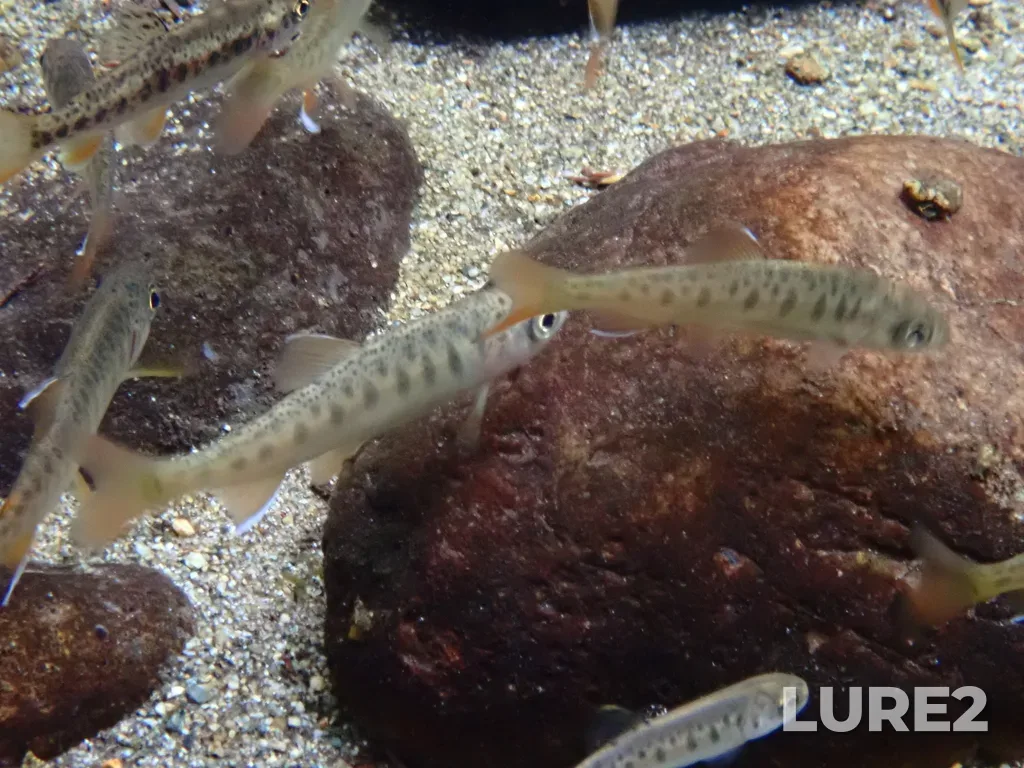
Anglers have logged 1 fishing report here. Most commonly caught: Coho salmon. Peak season: September.
Did not find what you were looking for, or something looks wrong? Tell us — we read every message.
Bay Burrard Inlet (British Columbia) — a popular fishing spot. About 113.8 km² in area, up to 66 m deep. Nearest town — Vancouver. This is a sea water — its bite forecast is a marine one, computed apart from rivers and lakes. This page shows an hourly bite forecast for today and the week ahead; the algorithm factors in the weather, atmospheric pressure, and the moon phase.
Nearest towns and cities
Other nearby places to fish
Other nearby waters
The shoreline is heavily indented — bays, points and spits. Look for pike at the mouths of the bays and on the drop-offs behind the points. The islands add structure: drop-offs around their perimeter and channels between them and the bank. The largest water around: all 19 neighbours are smaller.
The longest fetch is 35 km along the north-east — south-west axis: wind along it builds a wave on the open water and pushes silt and food towards the lee bank.
Green check: this species was recorded here by GBIF. Species without a check may still occur in the waterbody.
Look for structure — reefs, flats, channel edges; work them slowly near the bottom. The water's cold — fish it more delicately and slowly.
Burrard Inlet — Tuesday, October 20
The bite is strong — fish are active. Pressure is rising — activity tends to be more subdued. Peak 08:00–10:00 and 18:00–20:00.
The computed water temperature is around 3 °C — colder than the 6–17 °C comfort range for Brown trout: the fish conserves energy and takes more cautiously.
Brown trout works the twilight: the peaks are pinned to sunrise and sunset — their times are in the sun-and-moon card above.
Pressure is flat: it moves no more than 1 hPa over the day, so the weather isn't shifting today's bite.
One more input — the moon's feeding windows: within their hours the score sits higher than across the rest of the day. The window times are in the “Solunar feeding periods” card below.
October is an active season for Brown trout here.
These are the same values the bite curve above was computed from. How the forecast works
| 00:00 | 01:00 | 02:00 | 03:00 | 04:00 | 05:00 | 06:00 | 07:00 | 08:00 | 09:00 | 10:00 | 11:00 | 12:00 | 13:00 | 14:00 | 15:00 | 16:00 | 17:00 | 18:00 | 19:00 | 20:00 | 21:00 | 22:00 | 23:00 |
|---|---|---|---|---|---|---|---|---|---|---|---|---|---|---|---|---|---|---|---|---|---|---|---|
| -0.6 m | -0.9 m | -1.1 m | -1.0 m | -0.7 m | -0.3 m | 0.3 m | 0.7 m | 0.9 m | 1.0 m | 0.9 m | 0.6 m | 0.3 m | -0.0 m | -0.3 m | -0.3 m | -0.2 m | 0.1 m | 0.5 m | 0.8 m | 1.0 m | 1.0 m | 0.8 m | 0.4 m |
Open-Meteo tide model, grid point 21.8 km away
Open-Meteo Marine model, grid cell 21.8 km from the waterbody. Values are daily means.
Clear · feels like -1°
The day is 3 min shorter than yesterday.
Sunshine hours count direct sun only — cloud cover cuts it, so it is shorter than daylight.
Geomagnetic fieldG1 geomagnetic storm, Kp 4.7
Kp index — NOAA data. Not part of the bite score: catches show no link between geomagnetic storms and the bite.
The windows are set by the moon's transit and rise, and the forecast above already accounts for them: within these hours the bite score sits higher than across the rest of the day, while the day's overall level still comes from the catch-calibrated model.
What are solunar periods?Green check: this species was recorded here by GBIF. Species without a check may still occur in the waterbody.
Blue check: this species appears as a catch in reports for this waterbody.
Look for structure — reefs, flats, channel edges; work them slowly near the bottom. The water's cold — fish it more delicately and slowly.
Burrard Inlet — Tuesday, October 20
The bite is strong — fish are active. Pressure is rising — activity tends to be more subdued. Peak 08:00–10:00 and 18:00–20:00.
British Columbia: the months when each species peaks and when it goes quiet. The current month is outlined.
| Fish | January | February | March | April | May | June | July | August | September | October | November | December |
|---|---|---|---|---|---|---|---|---|---|---|---|---|
| Steelhead | peak | peak | peak | active | fair | active | peak | peak | peak | active | peak | peak |
| Pacific halibut | fair | slow | slow | slow | active | peak | peak | active | active | peak | peak | active |
| Lingcod | slow | slow | slow | slow | fair | peak | peak | active | active | active | active | fair |
| Rockfish | slow | slow | slow | slow | fair | peak | peak | active | active | active | active | fair |
| Brown trout | slow | slow | slow | slow | fair | peak | peak | peak | peak | active | fair | slow |
| Chinook salmon | slow | slow | slow | slow | active | peak | peak | peak | active | fair | slow | slow |
| Dolly Varden | slow | slow | slow | slow | fair | active | peak | peak | peak | active | fair | slow |
| Chum salmon | slow | slow | slow | slow | slow | slow | fair | active | peak | peak | peak | fair |
| Coho salmon | slow | slow | slow | slow | slow | fair | active | peak | peak | peak | fair | slow |
| Sockeye salmon | slow | slow | slow | slow | fair | peak | peak | peak | active | fair | slow | slow |
| Pink salmon | slow | slow | slow | slow | slow | fair | peak | peak | peak | fair | slow | slow |
Biting
Fish in 1 of 1 report · Mostly Coho salmon
Anglers have logged 1 fishing report here. Most commonly caught: Coho salmon. Peak season: September.