Fishing reports
2 reportsSummary of all reports
Biting
Fish in 2 of 2 reports · Mostly Rainbow trout
- 2 with fish
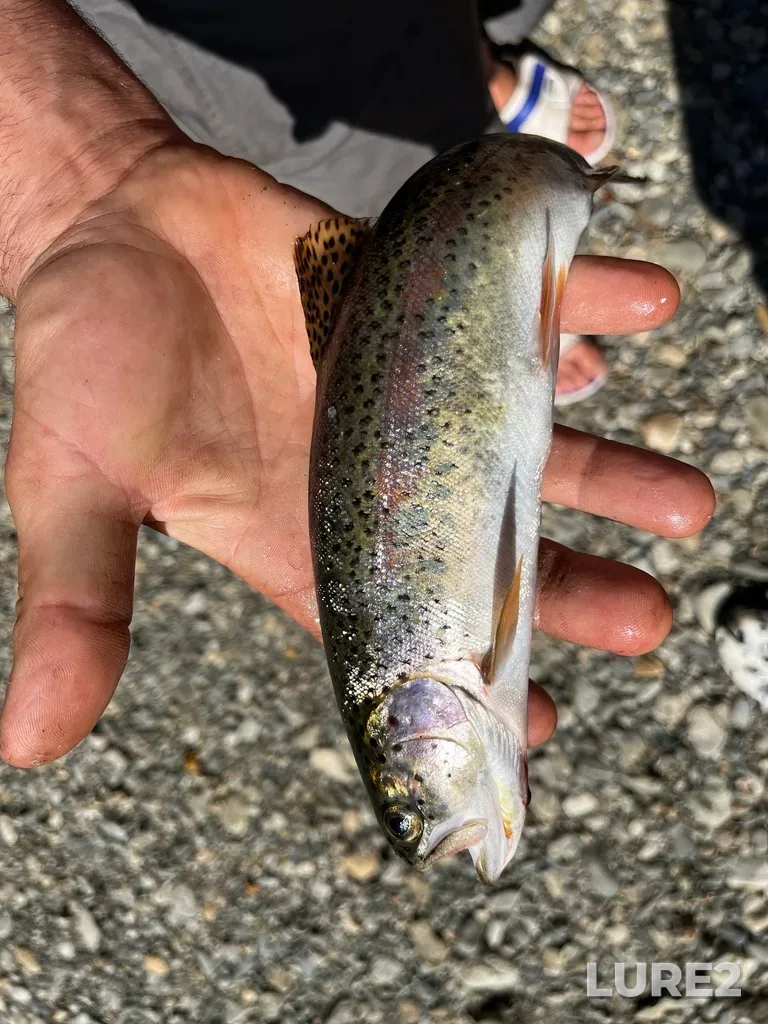
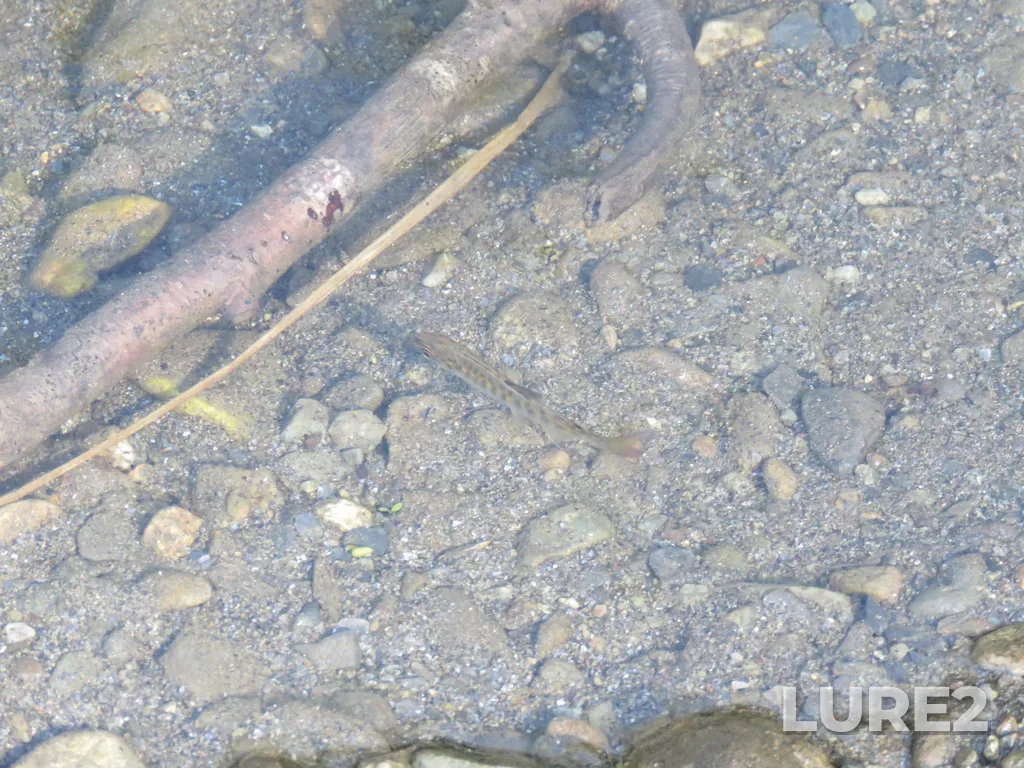
Anglers have logged 2 fishing reports here. Most commonly caught: Rainbow trout, Coho salmon. Peak season: April–August.
Did not find what you were looking for, or something looks wrong? Tell us — we read every message.
San Juan River (British Columbia) — a spot well known among anglers. About 41 km long. Flows into Port San Juan. Here you'll find a bite prediction — when fish are active and which hours give the best chances, adjusted for weather and pressure.
Other nearby places to fish
Other nearby waters
The course is moderately sinuous: pools are scoured at the bends and riffles run between them. The longest river around: all 7 neighbours are shorter.
British Columbia: the months when each species peaks and when it goes quiet. The current month is outlined.
| Fish | January | February | March | April | May | June | July | August | September | October | November | December |
|---|---|---|---|---|---|---|---|---|---|---|---|---|
| Steelhead | peak | peak |
Green check: this species was recorded here by GBIF. Species without a check may still occur in the waterbody.
Work the cover — snags, weed edges, hole entrances; retrieve the lure with pauses. The water's cold — fish it more delicately and slowly.
San Juan River — Tuesday, October 20
The bite is moderate — fish feed in short bursts. Pressure is rising — activity tends to be more subdued. Peak 08:00–10:00 and 18:00–20:00.
The computed water temperature is around 3 °C — colder than the 14–24 °C comfort range for Black crappie: the fish conserves energy and takes more cautiously.
Going by this year's frosts the ice hasn't formed yet: the season says it should have, but it hasn't been cold enough. This is an estimate from the weather across the whole region, not a measurement on your water.
Black crappie works the twilight: the peaks are pinned to sunrise and sunset — their times are in the sun-and-moon card above.
Pressure is flat: it moves no more than 1 hPa over the day, so the weather isn't shifting today's bite.
One more input — the moon's feeding windows: within their hours the score sits higher than across the rest of the day. The window times are in the “Solunar feeding periods” card below.
October is an average month for Black crappie here.
These are the same values the bite curve above was computed from. How the forecast works
Clear · feels like -1°
The day is 3 min shorter than yesterday.
Sunshine hours count direct sun only — cloud cover cuts it, so it is shorter than daylight.
Geomagnetic fieldG1 geomagnetic storm, Kp 4.7
Kp index — NOAA data. Not part of the bite score: catches show no link between geomagnetic storms and the bite.
The windows are set by the moon's transit and rise, and the forecast above already accounts for them: within these hours the bite score sits higher than across the rest of the day, while the day's overall level still comes from the catch-calibrated model.
What are solunar periods?Green check: this species was recorded here by GBIF. Species without a check may still occur in the waterbody.
Blue check: this species appears as a catch in reports for this waterbody.
Work the cover — snags, weed edges, hole entrances; retrieve the lure with pauses. The water's cold — fish it more delicately and slowly.
San Juan River — Tuesday, October 20
The bite is moderate — fish feed in short bursts. Pressure is rising — activity tends to be more subdued. Peak 08:00–10:00 and 18:00–20:00.
| active |
| fair |
| active |
| peak |
| peak |
| peak |
| active |
| peak |
| peak |
| Black crappie | active | active | active | peak | peak | peak | active | fair | fair | fair | active | active |
|---|
| Bull trout | fair | slow | slow | slow | active | peak | peak | active | active | peak | peak | active |
|---|
| Grayling | fair | slow | slow | slow | active | peak | peak | active | active | active | active | active |
|---|
| Lake trout | peak | peak | peak | peak | peak | active | fair | fair | slow | fair | active | active |
|---|
| Mountain whitefish | fair | slow | slow | slow | active | peak | peak | active | active | peak | peak | active |
|---|
| Whitefish | fair | slow | slow | fair | active | peak | peak | active | active | peak | peak | active |
|---|
| Cutthroat trout | fair | slow | slow | slow | fair | active | peak | active | active | active | active | active |
|---|
| Brook trout | slow | slow | slow | slow | fair | active | peak | active | active | active | active | fair |
|---|
| Largemouth bass | slow | slow | slow | slow | fair | active | peak | peak | peak | peak | active | fair |
|---|
| Pike | active | fair | fair | fair | fair | fair | fair | active | active | peak | peak | peak |
|---|
| Rainbow trout | slow | slow | slow | slow | fair | peak | peak | active | active | active | active | slow |
|---|
| Walleye | slow | slow | slow | slow | fair | active | active | active | active | active | active | fair |
|---|
| White sturgeon | slow | slow | slow | slow | fair | active | active | active | active | active | active | fair |
|---|
| Brown trout | slow | slow | slow | slow | fair | peak | peak | peak | peak | active | fair | slow |
|---|
| Chinook salmon | slow | slow | slow | slow | active | peak | peak | peak | active | fair | slow | slow |
|---|
| Dolly Varden | slow | slow | slow | slow | fair | active | peak | peak | peak | active | fair | slow |
|---|
| Burbot | peak | active | fair | fair | slow | slow | slow | slow | slow | slow | active | peak |
|---|
| Chum salmon | slow | slow | slow | slow | slow | slow | fair | active | peak | peak | peak | fair |
|---|
| Coho salmon | slow | slow | slow | slow | slow | fair | active | peak | peak | peak | fair | slow |
|---|
| Sockeye salmon | slow | slow | slow | slow | fair | peak | peak | peak | active | fair | slow | slow |
|---|
| Yellow perch | slow | slow | slow | slow | fair | active | active | active | active | fair | fair | fair |
|---|
| Pink salmon | slow | slow | slow | slow | slow | fair | peak | peak | peak | fair | slow | slow |
|---|
| Smallmouth bass | slow | slow | slow | slow | fair | fair | active | active | fair | fair | fair | fair |
|---|
Biting
Fish in 2 of 2 reports · Mostly Rainbow trout
Anglers have logged 2 fishing reports here. Most commonly caught: Rainbow trout, Coho salmon. Peak season: April–August.
Measured river conditions are available for San Juan River: current gauge height, streamflow, and water temperature when reported by the source.
USGS gauge SAN JUAN RIVER NEAR PORT RENFREW, 13 km away · measured 2026-10-21 03:15 · data source · provisional data, subject to revision