Fishing reports
6 reportsSummary of all reports
Biting
Fish in 6 of 6 reports · Mostly Pike
- 6 with fish
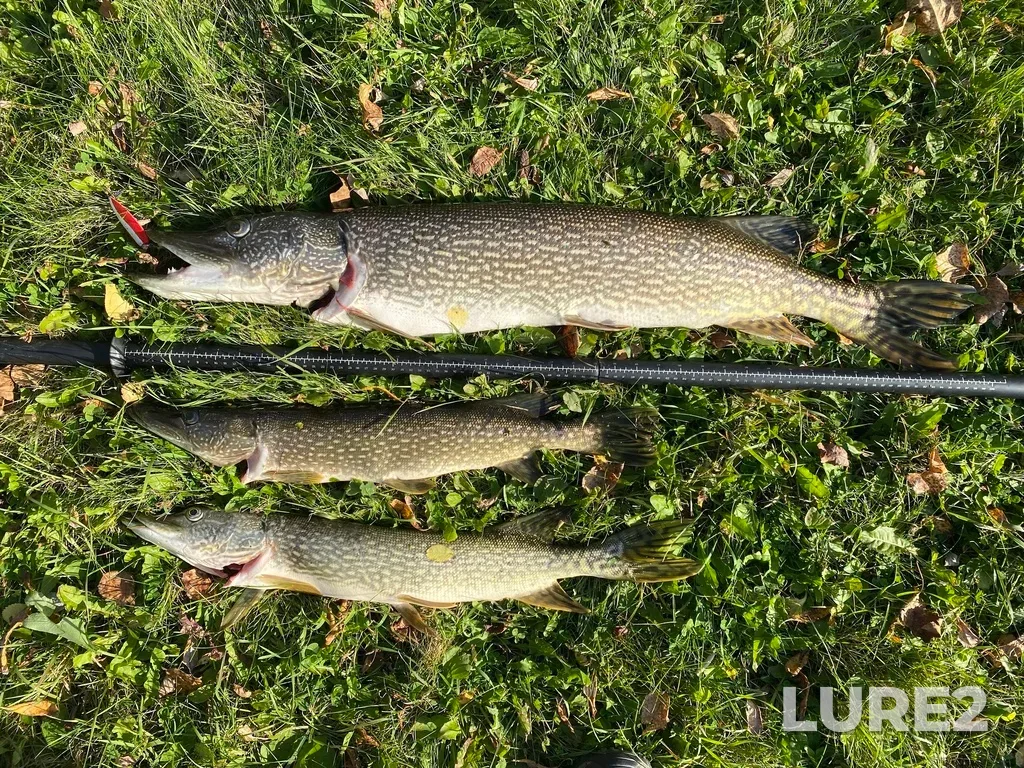
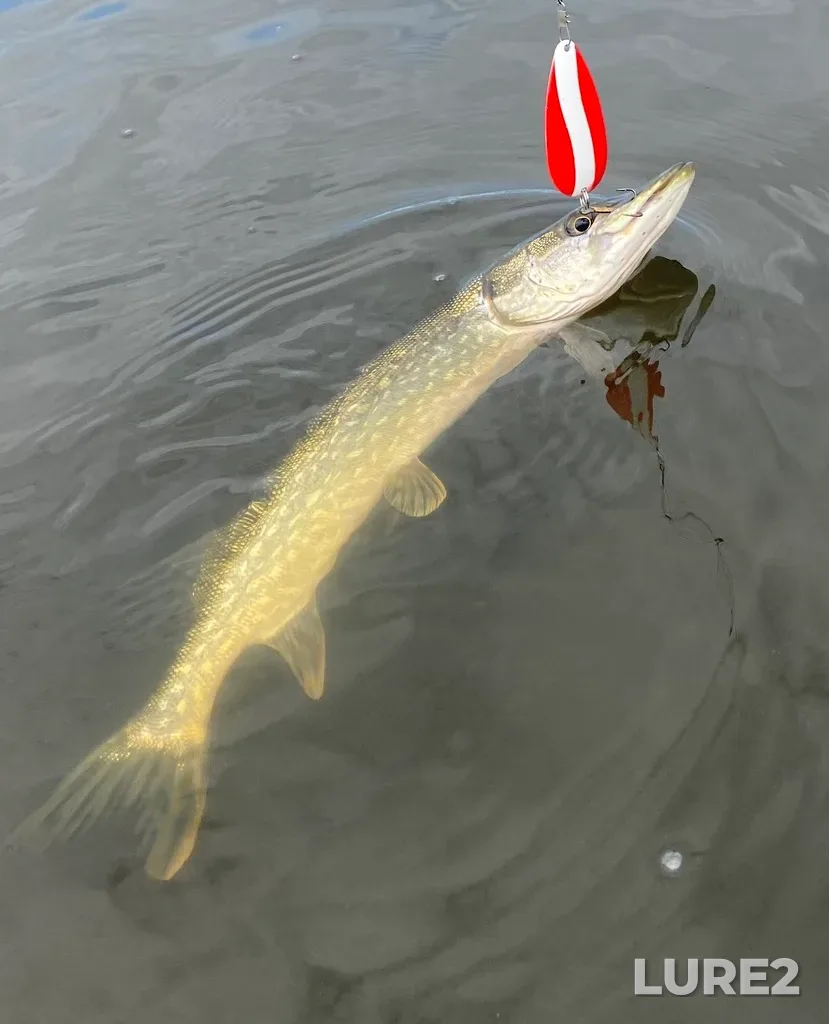
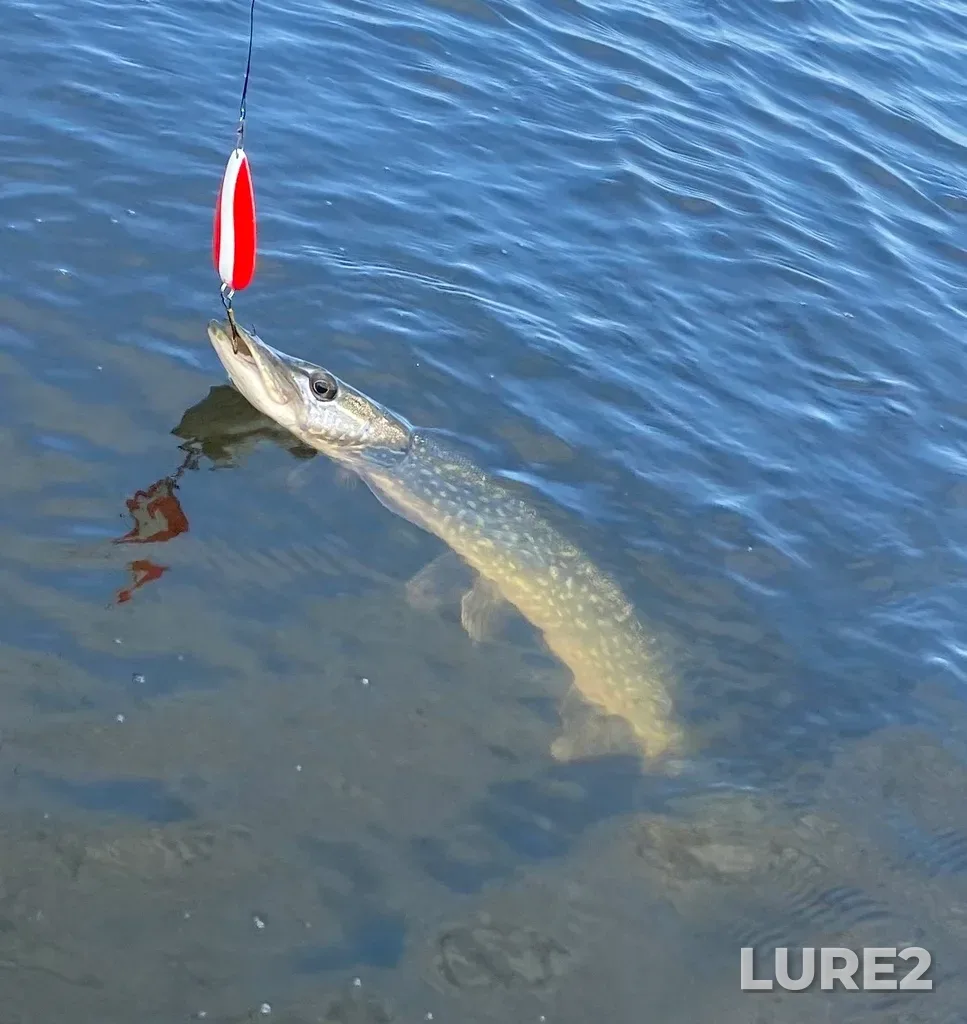
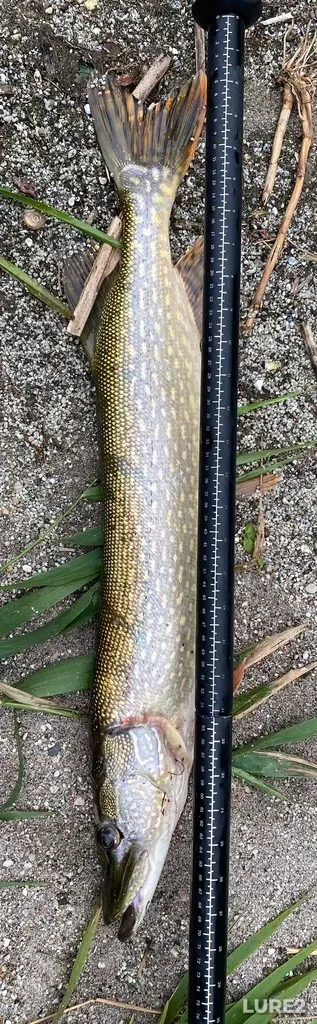
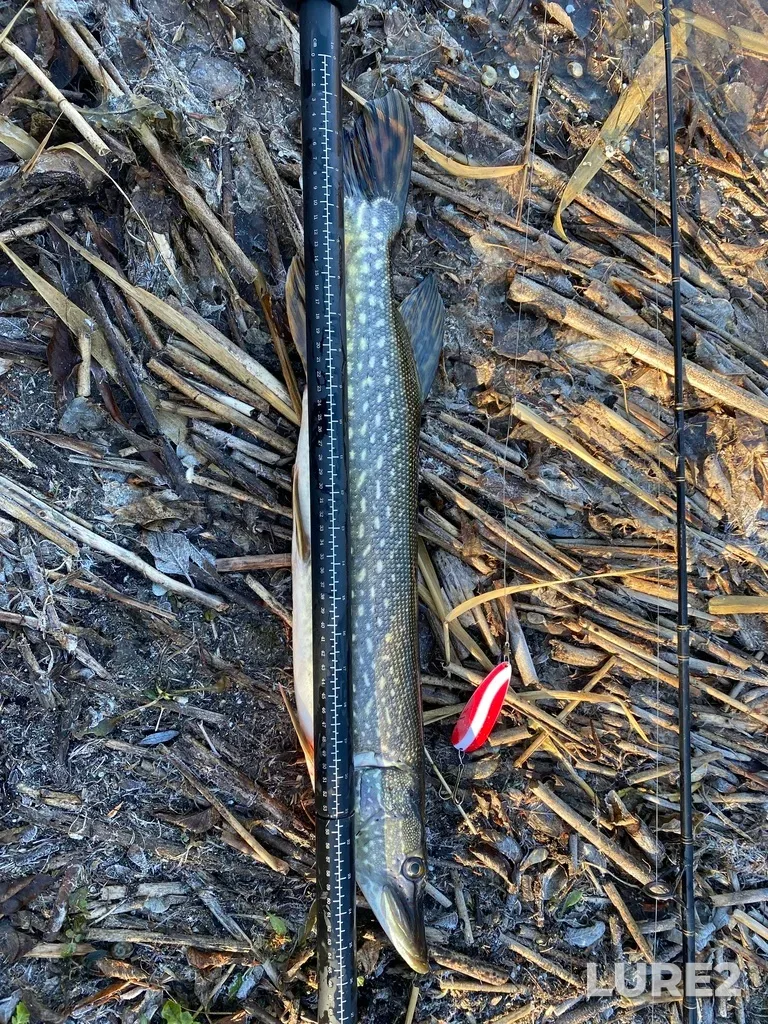
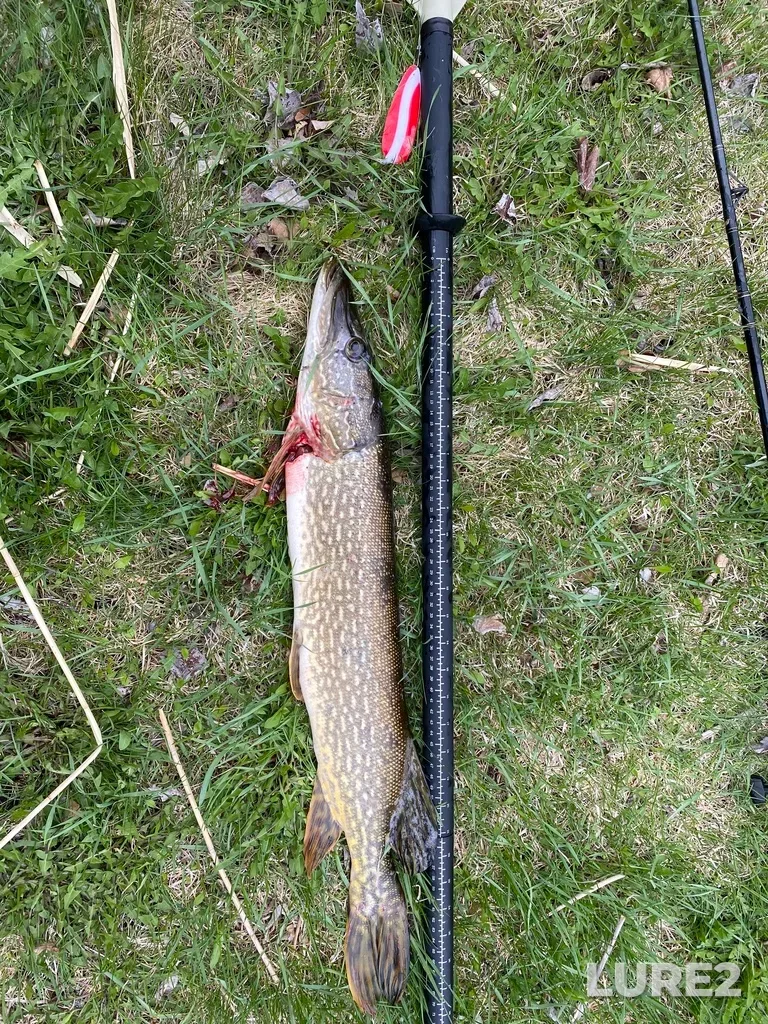
Anglers have logged 6 fishing reports here. Most commonly caught: Pike. Peak season: May–November.
Did not find what you were looking for, or something looks wrong? Tell us — we read every message.
Little Saskatchewan River (Manitoba) — a spot well known among anglers. About 279 km long. Flows into Assiniboine River, Lake Winnipeg basin. The town of Brandon is nearby. A smart bite calendar — moon phase, atmospheric pressure, and weather combined into an hourly fish-activity forecast for the coming days.
Nearest towns and cities
Other nearby waters
The course meanders heavily: the current digs a pool on the outside of every bend and builds a bar on the inside. Those pools under the undercut bank are where pike typically sits.
Manitoba: the months when each species peaks and when it goes quiet. The current month is outlined. The bottom row counts the catches logged on this water in each month.
| Fish | January | February | March | April | May | June | July | August | September | October | November | December |
|---|---|---|---|---|---|---|---|---|---|---|---|---|
| Grayling | fair | slow |
Work the cover — snags, weed edges, hole entrances; retrieve the lure with pauses. The water's cold — fish it more delicately and slowly.
Little Saskatchewan River — Tuesday, October 20
The bite is moderate — fish feed in short bursts. Pressure is rising — activity tends to be more subdued. Peak 08:00–10:00 and 18:00–20:00.
The computed water temperature is around 6 °C — inside the 1–10 °C comfort range for Arctic char, so baseline activity is high.
Arctic char works the twilight: the peaks are pinned to sunrise and sunset — their times are in the sun-and-moon card above.
Pressure is dropping 2 hPa over the day — fish are usually more active ahead of a weather change.
One more input — the moon's feeding windows: within their hours the score sits higher than across the rest of the day. The window times are in the “Solunar feeding periods” card below.
October is an active season for Arctic char here.
These are the same values the bite curve above was computed from. How the forecast works
Drizzle · feels like 0°
The day is 4 min shorter than yesterday.
Sunshine hours count direct sun only — cloud cover cuts it, so it is shorter than daylight.
Geomagnetic fieldG1 geomagnetic storm, Kp 4.7
Kp index — NOAA data. Not part of the bite score: catches show no link between geomagnetic storms and the bite.
The windows are set by the moon's transit and rise, and the forecast above already accounts for them: within these hours the bite score sits higher than across the rest of the day, while the day's overall level still comes from the catch-calibrated model.
What are solunar periods?Blue check: this species appears as a catch in reports for this waterbody.
Work the cover — snags, weed edges, hole entrances; retrieve the lure with pauses. The water's cold — fish it more delicately and slowly.
Little Saskatchewan River — Tuesday, October 20
The bite is moderate — fish feed in short bursts. Pressure is rising — activity tends to be more subdued. Peak 08:00–10:00 and 18:00–20:00.
| slow |
| fair |
| active |
| peak |
| peak |
| active |
| active |
| peak |
| active |
| active |
| Lake trout | peak | peak | peak | peak | active | active | fair | fair | slow | fair | active | active |
|---|
| Whitefish | fair | slow | slow | fair | active | peak | peak | active | active | peak | peak | active |
|---|
| Pike | active | fair | fair | fair | fair | fair | active | active | active | peak | peak | peak |
|---|
| Rainbow trout | slow | slow | slow | fair | active | peak | peak | active | active | active | active | slow |
|---|
| Brook trout | slow | slow | slow | slow | fair | peak | peak | active | active | active | active | fair |
|---|
| Sauger | slow | slow | slow | slow | fair | active | peak | active | active | active | active | fair |
|---|
| Walleye | slow | slow | slow | slow | fair | active | peak | active | active | active | active | fair |
|---|
| Arctic char | slow | slow | slow | slow | fair | active | peak | peak | peak | active | fair | slow |
|---|
| Lake sturgeon | slow | slow | slow | slow | fair | active | active | active | active | active | fair | fair |
|---|
| Rainbow smelt | active | peak | peak | peak | active | fair | slow | slow | slow | slow | slow | fair |
|---|
| Yellow perch | slow | slow | slow | slow | fair | active | active | active | active | active | fair | fair |
|---|
| Burbot | active | active | fair | fair | slow | slow | slow | slow | slow | slow | active | peak |
|---|
| Goldeye | slow | slow | slow | slow | fair | active | active | active | active | fair | fair | fair |
|---|
| Smallmouth bass | slow | slow | slow | slow | fair | active | active | active | active | fair | fair | fair |
|---|
| Carp | slow | slow | slow | slow | slow | fair | active | peak | active | fair | slow | slow |
|---|
| Channel catfish | slow | slow | slow | slow | slow | fair | active | active | fair | fair | slow | slow |
|---|
| Catches here | 0 | 0 | 0 | 0 | 1 | 0 | 0 | 0 | 1 | 3 | 1 | 0 |
|---|
BiteGuideFrom anglers’ reports
This is a summary of anglers' reports, not a proven cause of the bite: conditions lining up does not mean they drove it.
vertical axis — number of catches
| Value | Catches | Share |
|---|---|---|
| 06:00 | 1 | 17% |
| 09:00 | 2 | 33% |
| 11:00 | 1 | 17% |
| 12:00 | 2 | 33% |
Biting
Fish in 6 of 6 reports · Mostly Pike
Anglers have logged 6 fishing reports here. Most commonly caught: Pike. Peak season: May–November.
Measured river conditions are available for Little Saskatchewan River: current gauge height, streamflow, and water temperature when reported by the source.
USGS gauge LITTLE SASKATCHEWAN RIVER NEAR MINNEDOSA, 22 km away · measured 2026-10-21 03:05 · data source · provisional data, subject to revision