Fishing reports
2 reportsSummary of all reports
Biting
Fish in 2 of 2 reports
- 2 with fish
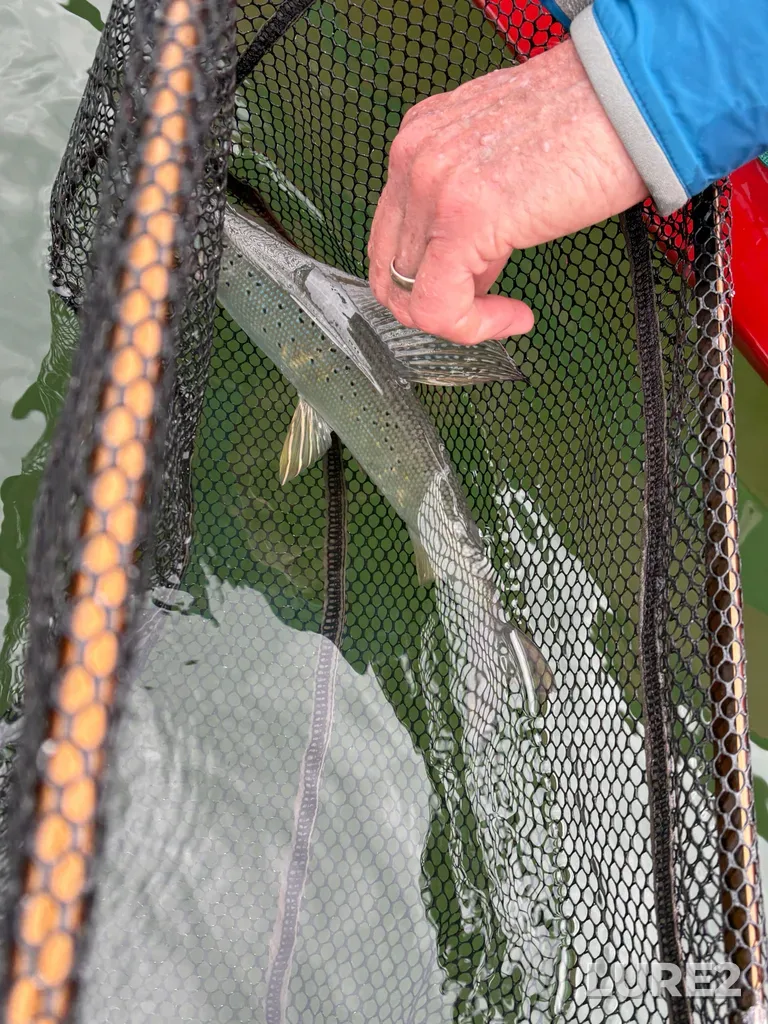
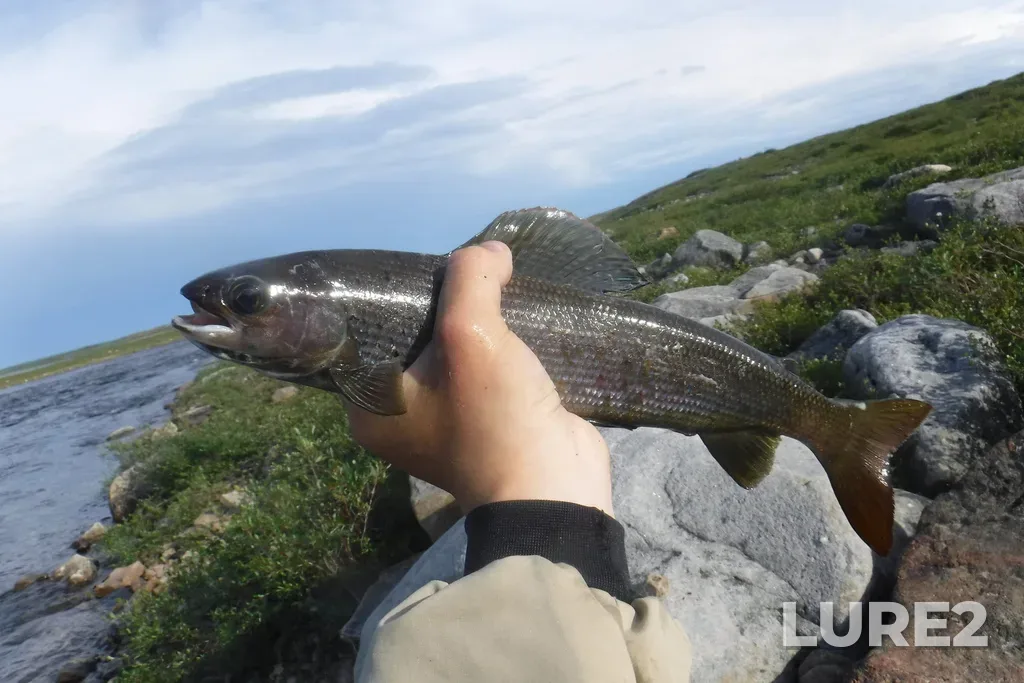
Anglers have logged 2 fishing reports here. Peak season: July.
Did not find what you were looking for, or something looks wrong? Tell us — we read every message.
Work the cover — snags, weed edges, hole entrances; retrieve the lure with pauses. The water's cold — fish it more delicately and slowly.
Northwest Territories — Tuesday, October 20
The bite is strong — fish are active. Pressure is dropping — this usually boosts the bite. Peak 12:00–17:00.
The computed water temperature is around 5 °C — colder than the 6–18 °C comfort range for Grayling: the fish conserves energy and takes more cautiously.
Going by this year's frosts the ice hasn't formed yet: the season says it should have, but it hasn't been cold enough. This is an estimate from the weather across the whole region, not a measurement on your water.
Grayling feeds by day — between sunrise and sunset; their times are in the sun-and-moon card above.
Pressure is dropping 22 hPa over the day — fish are usually more active ahead of a weather change.
October is an active season for Grayling here.
These are the same values the bite curve above was computed from. How the forecast works
Cloudy · feels like -5°
The day is 7 min shorter than yesterday.
Sunshine hours count direct sun only — cloud cover cuts it, so it is shorter than daylight.
Geomagnetic fieldG1 geomagnetic storm, Kp 4.7
Kp index — NOAA data. Not part of the bite score: catches show no link between geomagnetic storms and the bite.
The windows are set by the moon's transit and rise, and the forecast above already accounts for them: within these hours the bite score sits higher than across the rest of the day, while the day's overall level still comes from the catch-calibrated model.
What are solunar periods?Biting
Fish in 2 of 2 reports
Anglers have logged 2 fishing reports here. Peak season: July.
Cloudy: -2–4 °C
Best fishing time: 12:00–15:00