Did not find what you were looking for, or something looks wrong? Tell us — we read every message.
We use cookies for analytics and advertising. Cookies necessary for the site to function are always kept. Learn more
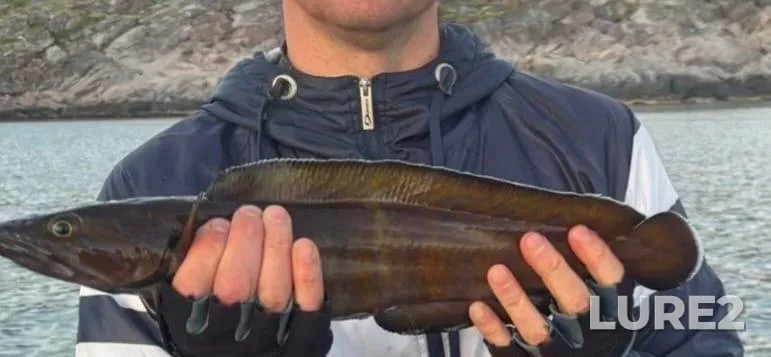
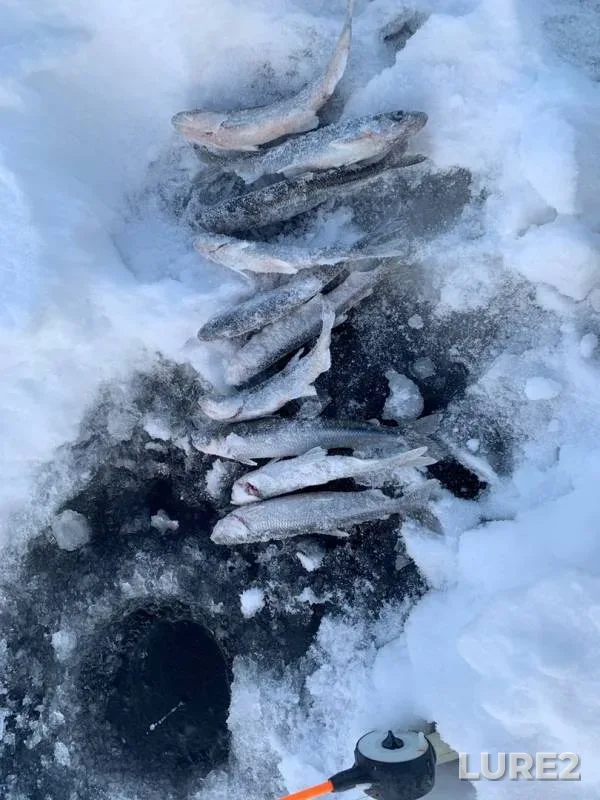
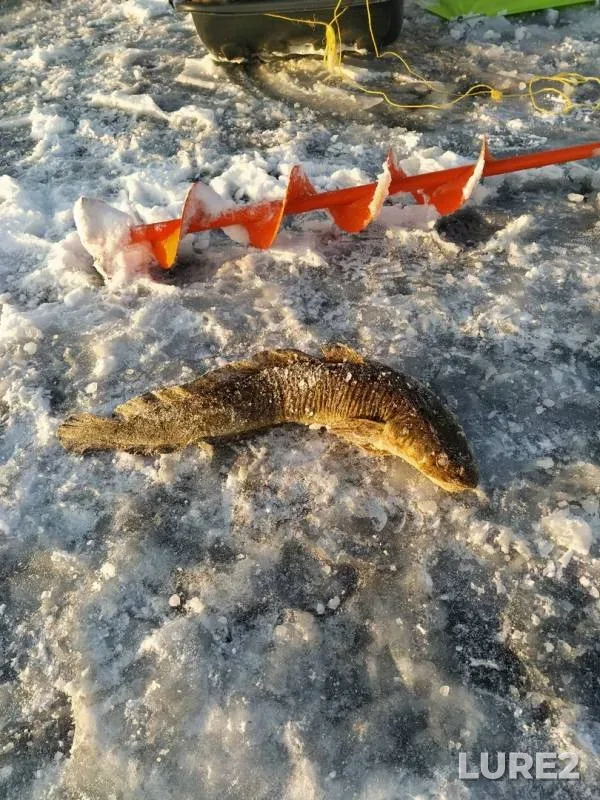
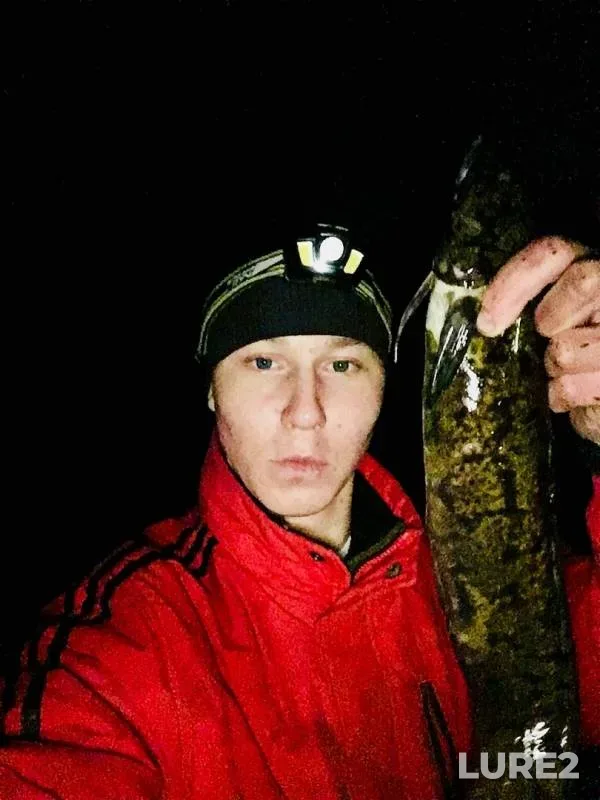
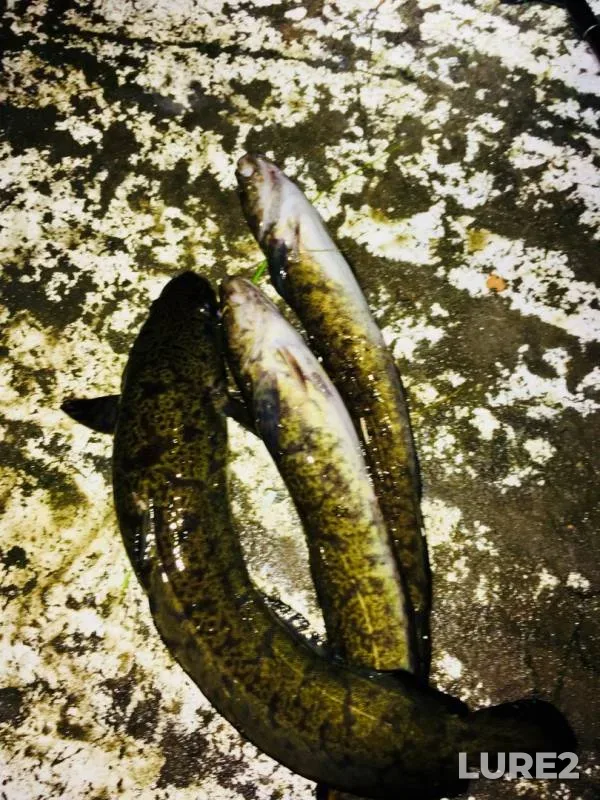
Recorded 13 catches of Burbot in Murmanskaya oblast. Most active — year-round. A day-by-day bite calendar for Burbot.
Tackle, baits, spots and seasons — a full guide to catching Burbot.
Read the guide →Monday, September 7
The bite is weak — fish are sluggish. Pressure is dropping — this usually boosts the bite.
Best time — 00:00–03:00 and 22:00–23:00 (nighttime activity).
Work the cover — snags, weed edges, hole entrances; retrieve the lure with pauses. The water's cold — fish it more delicately and slowly.
The water's turning murky — go with bright, noisy lures: live-bait bottom rig or bunch of worms. The water's cold — work the lure slower than usual.
Bring a warm jacket — it's noticeably colder on the water than on shore. Rain is expected — don't forget a rain jacket or a waterproof shell.
A slow day — go only if you really feel like it.
The computed water temperature is around 8 °C — inside the 0–8 °C comfort range for Burbot, so baseline activity is high.
Burbot feeds at night: the peak falls in the dark hours, between sunset and sunrise.
Pressure is dropping 3 hPa over the day — fish are usually more active ahead of a weather change.
September is a slow season for Burbot: the best months fall at another time of year.
These are the same values the bite curve above was computed from. How the forecast works
Cloudy · feels like +2°
The day is 8 min shorter than yesterday.
Sunshine hours count direct sun only — cloud cover cuts it, so it is shorter than daylight.
The windows are set by the moon's transit and rise, and the forecast above already accounts for them: within these hours the bite score sits higher than across the rest of the day, while the day's overall level still comes from the catch-calibrated model.
What are solunar periods?