Catches
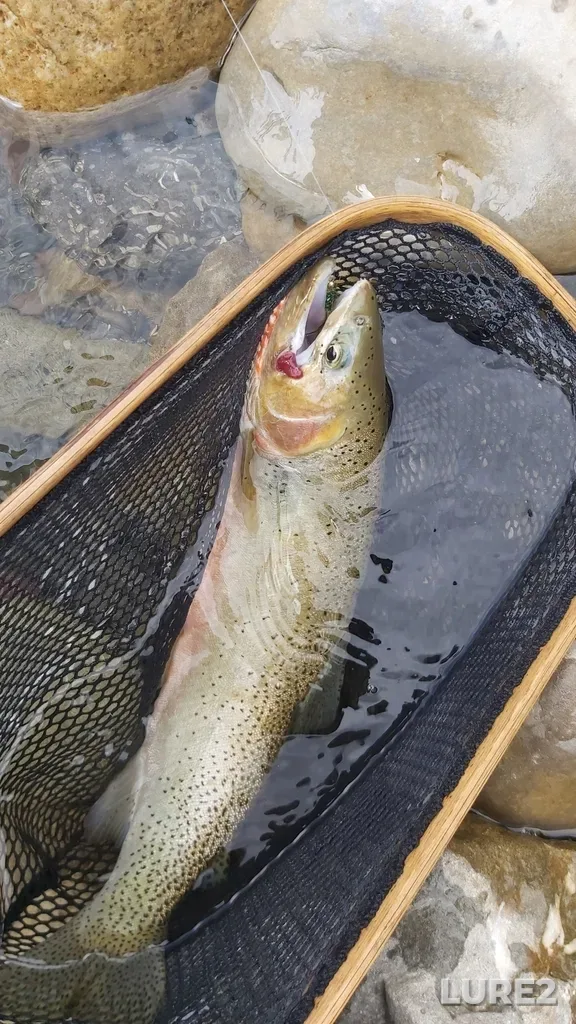
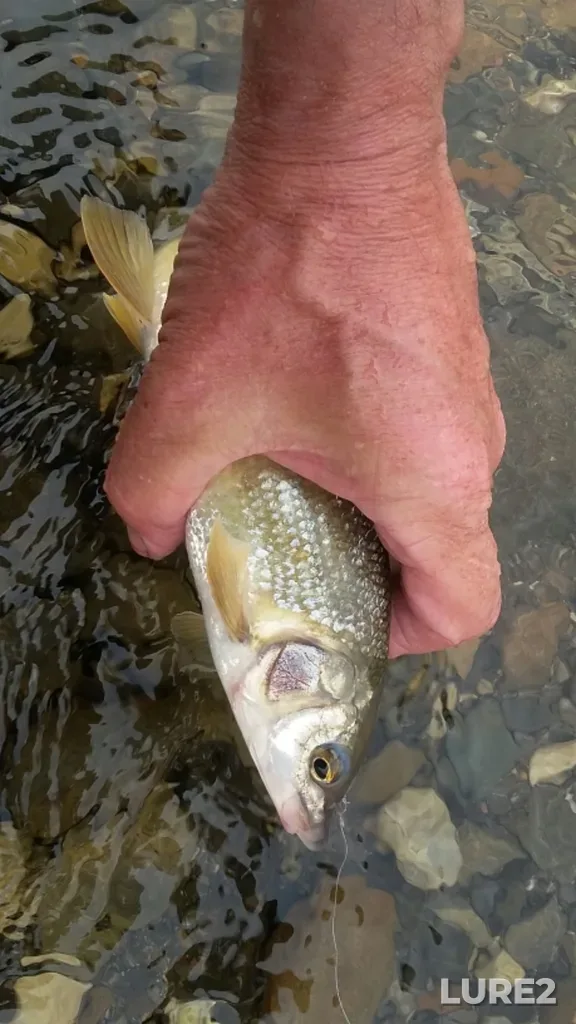
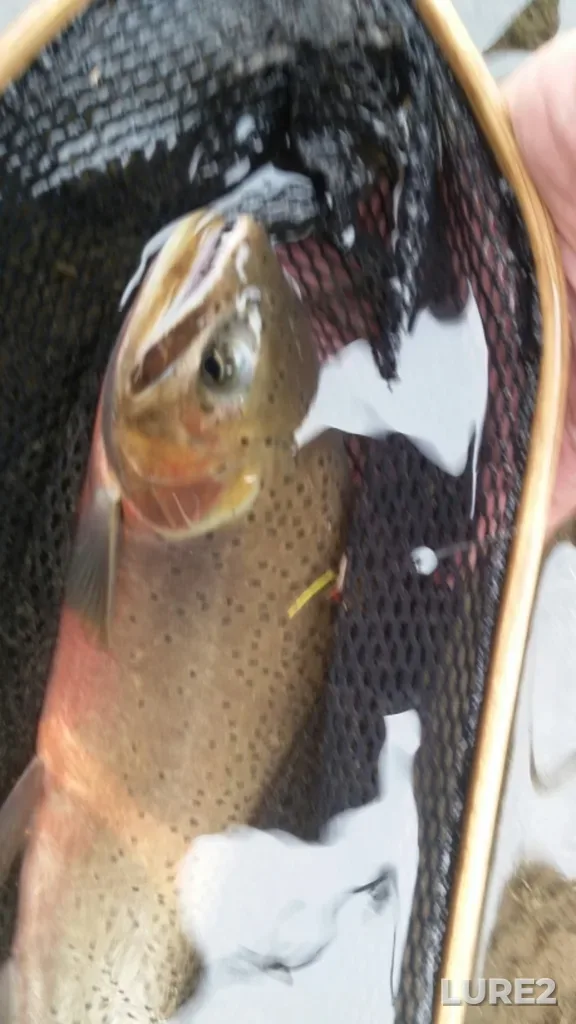
Recorded 3 catches here. Most commonly caught: Cutthroat trout, Mountain whitefish. Peak season: July–August.
We use cookies for analytics and advertising. Cookies necessary for the site to function are always kept. Learn more
Blackstone River (Alberta) — a spot well known among anglers. About 91 km long. Flows into Brazeau River, Lake Winnipeg basin. A smart bite calendar — moon phase, atmospheric pressure, and weather combined into an hourly fish-activity forecast for the coming days.
Recorded 3 catches here. Most commonly caught: Cutthroat trout, Mountain whitefish. Peak season: July–August.
The bite is strong — fish are active. Pressure is rising — activity tends to be more subdued.
Best time — 07:00–09:00 (dawn bite) and 20:00–22:00 (dusk bite).
Work the cover — snags, weed edges, hole entrances; retrieve the lure with pauses. The water's cold — fish it more delicately and slowly.
In clear water, natural colors work best: spinner or fly. The water's cold — work the lure slower than usual.
Bring a warm jacket — it's noticeably colder on the water than on shore.
Worth going — it's a productive day.
The computed water temperature is around 6 °C — colder than the 7–16 °C comfort range for Brook trout: the fish conserves energy and takes more cautiously.
Brook trout works the twilight: the peaks are pinned to sunrise and sunset — their times are in the sun-and-moon card above.
Pressure is dropping 5 hPa over the day — fish are usually more active ahead of a weather change.
One more input — the moon's feeding windows: within their hours the score sits higher than across the rest of the day. The window times are in the “Solunar feeding periods” card below.
September is an active season for Brook trout here.
These are the same values the bite curve above was computed from. How the forecast works
Fog · feels like +3°
The day is 4 min shorter than yesterday.
Sunshine hours count direct sun only — cloud cover cuts it, so it is shorter than daylight.
The windows are set by the moon's transit and rise, and the forecast above already accounts for them: within these hours the bite score sits higher than across the rest of the day, while the day's overall level still comes from the catch-calibrated model.
What are solunar periods?