Did not find what you were looking for, or something looks wrong? Tell us — we read every message.
We use cookies for analytics and advertising. Cookies necessary for the site to function are always kept. Learn more
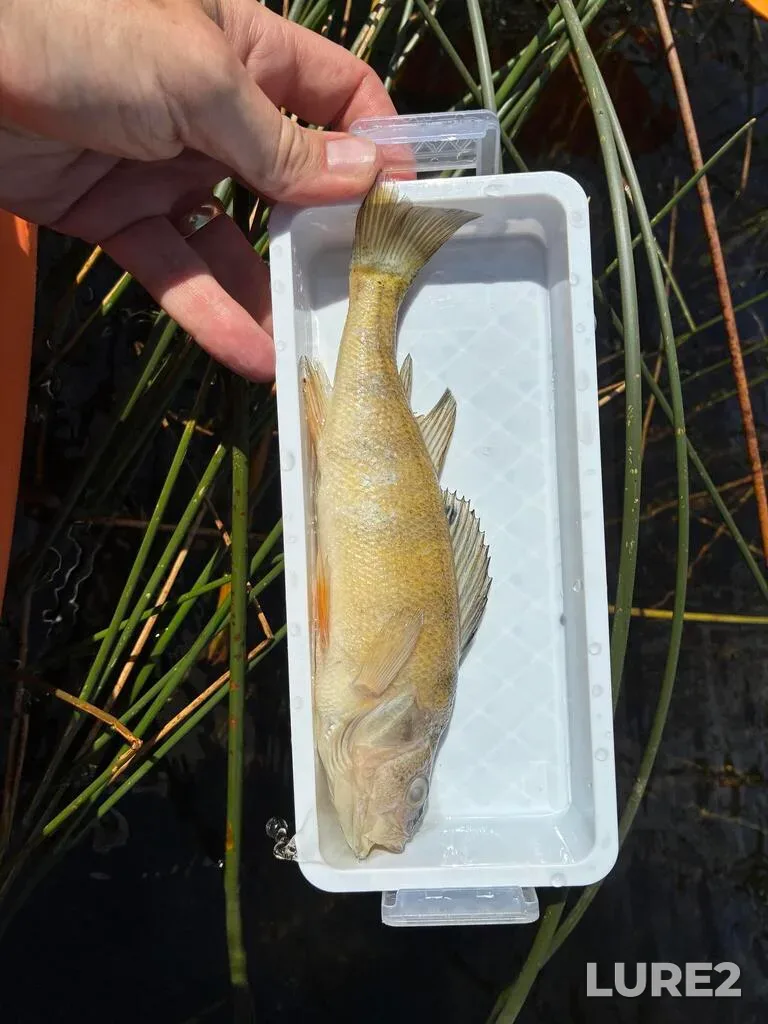
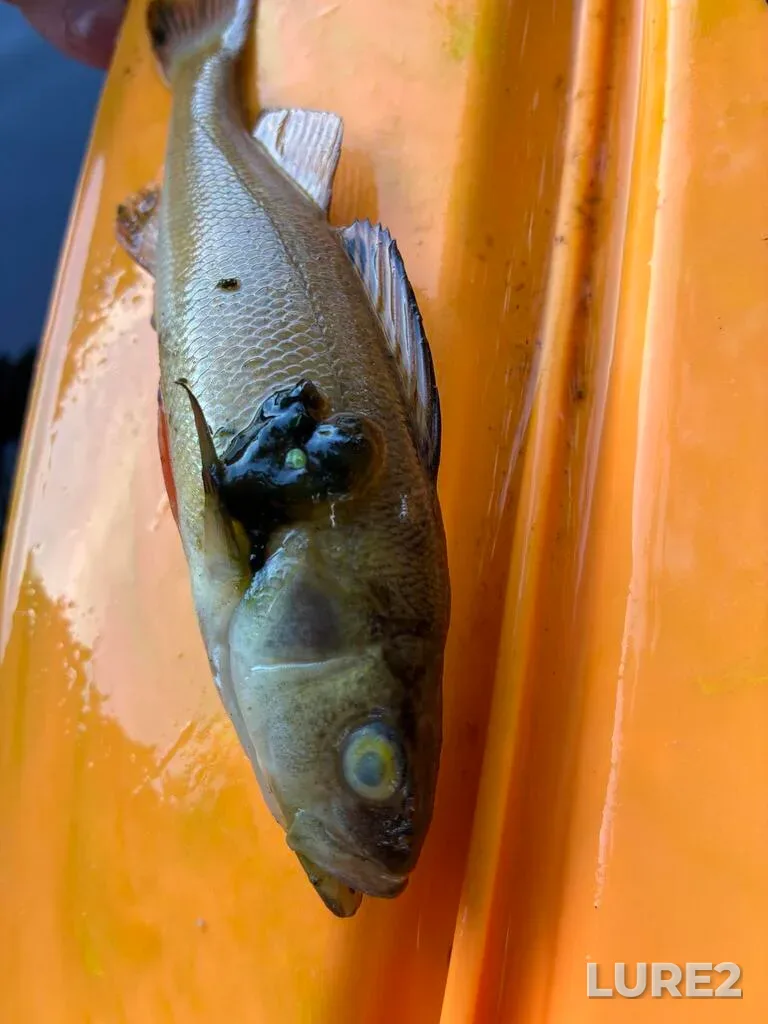
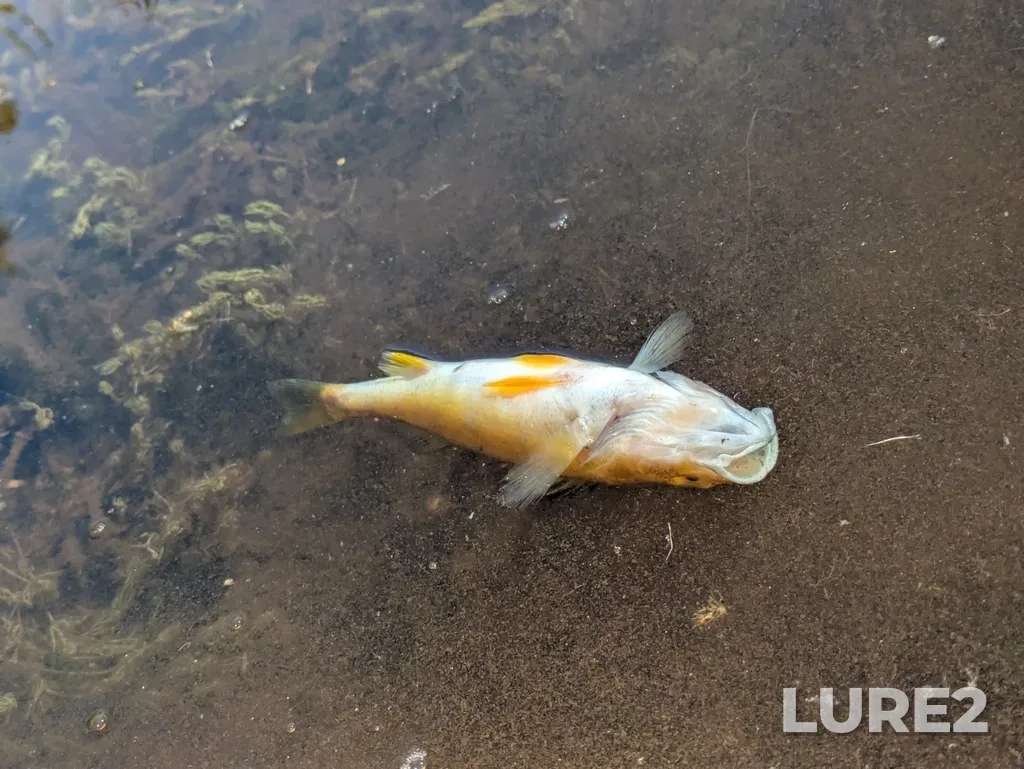
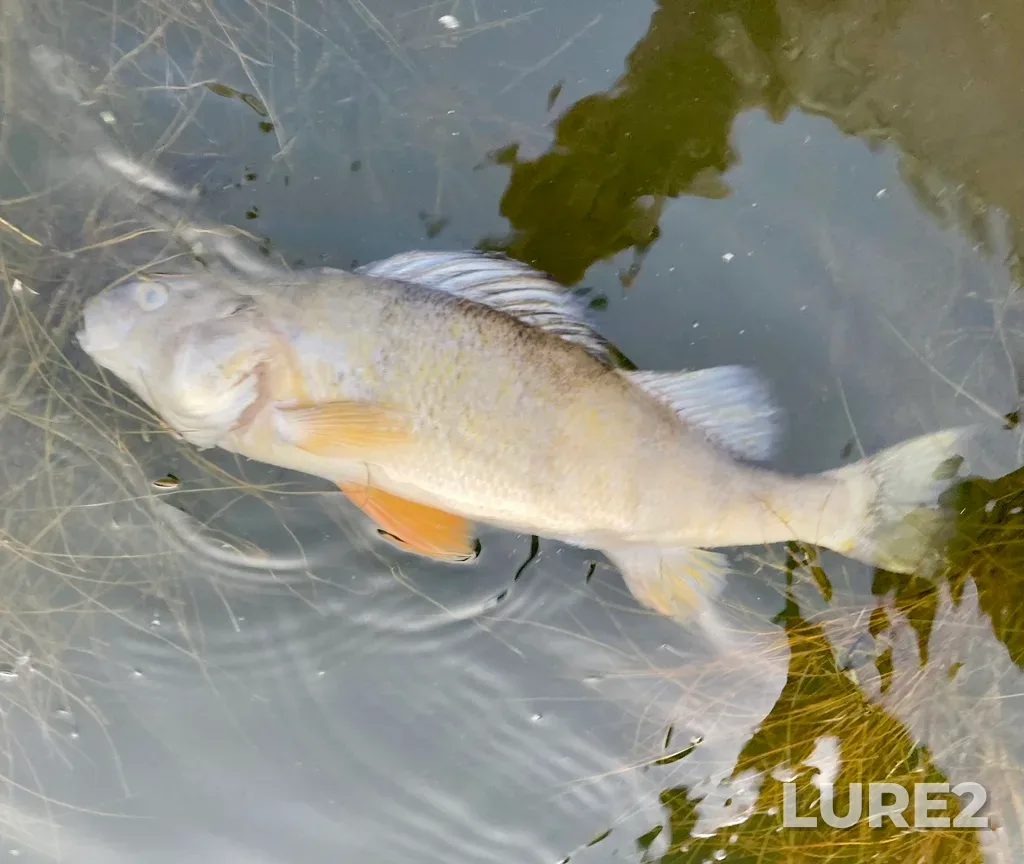
Recorded 9 catches of Yellow perch in Alberta. Most active — July–August. A day-by-day bite calendar for Yellow perch.
Monday, September 7
The bite is moderate — fish feed in short bursts. A thunderstorm is possible: activity rises before the front and drops after.
Best time — 11:00–17:00 (daytime activity).
Work the cover — snags, weed edges, hole entrances; retrieve the lure with pauses. The water's cold — fish it more delicately and slowly.
The water's turning murky — go with bright, noisy lures: small jig or minnow bait. The water's cold — work the lure slower than usual.
Bring a warm jacket — it's noticeably colder on the water than on shore. A thunderstorm is possible — bring a rain jacket, and pack up at the first rumble of thunder.
An average day — best chances during peak windows.
The computed water temperature is around 7 °C — colder than the 12–22 °C comfort range for Yellow perch: the fish conserves energy and takes more cautiously.
Yellow perch feeds by day — between sunrise and sunset; their times are in the sun-and-moon card above.
Pressure is rising 2 hPa over the day — the bite usually settles down after a rise.
September is an average month for Yellow perch here.
These are the same values the bite curve above was computed from. How the forecast works
Cloudy · feels like +3°
The day is 4 min shorter than yesterday.
Sunshine hours count direct sun only — cloud cover cuts it, so it is shorter than daylight.
The windows are set by the moon's transit and rise, and the forecast above already accounts for them: within these hours the bite score sits higher than across the rest of the day, while the day's overall level still comes from the catch-calibrated model.
What are solunar periods?