Where to fish

  • Forecast
  • Catches

Mine

  • Favorites

Where to fish

  • Forecast
  • Catches

Mine

  • Favorites
ForecastCatchesFavorites
AboutHow the forecast worksWhere fish livePrivacyTerms[email protected]
© 2026·AI-powered bite forecast
0.1.0+2166 · bee8965a

We use cookies for analytics and advertising. Cookies necessary for the site to function are always kept. Learn more

Canada / Nova Scotia / Atlantic salmon

Atlantic salmon bite in Nova Scotia

Recorded 3 catches of Atlantic salmon in Nova Scotia. Most active — May–June. A day-by-day bite calendar for Atlantic salmon.

Atlantic salmon bite forecast in Nova Scotia today

Best fishing days for the next week

  1. ThursdaySeptember 10weather-based forecast
    76/100high activity

    Drizzle: 9–18 °C

    Best fishing time: 06:00–09:00

  2. WednesdaySeptember 9weather-based forecast
    70/100high activity

    Drizzle: 9–17 °C

    Best fishing time: 19:00–22:00

  3. TuesdaySeptember 8weather-based forecast
    66/100high activity

    Drizzle: 9–15 °C

    Best fishing time: 06:00–09:00

How to catch Atlantic salmon

Tackle, baits, spots and seasons — a full guide to catching Atlantic salmon.

Read the guide →

Map of waters and catches

Loading map…
Where it's caught

  • Clyburn Brook2 catches
  • MacKenzies River1 catch

Catches

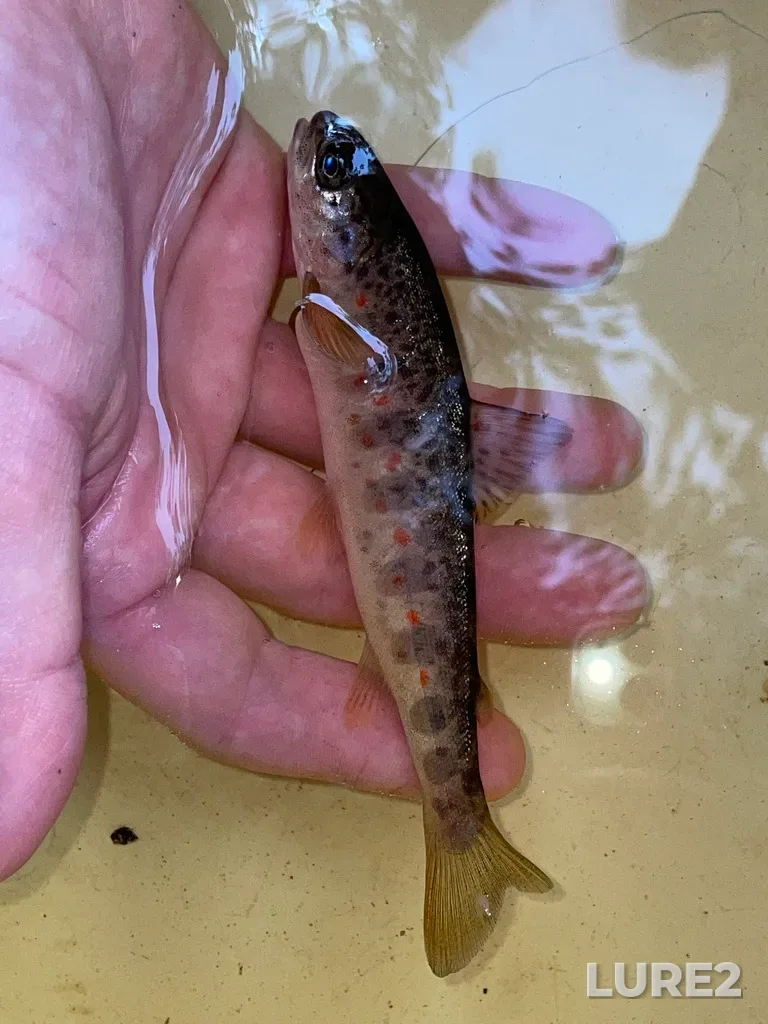
  • Atlantic salmon — MacKenzies River, Jun 30, 2022, 2:03 PM
    Atlantic salmon
    MacKenzies River
    Jun 30, 2022, 2:03 PM
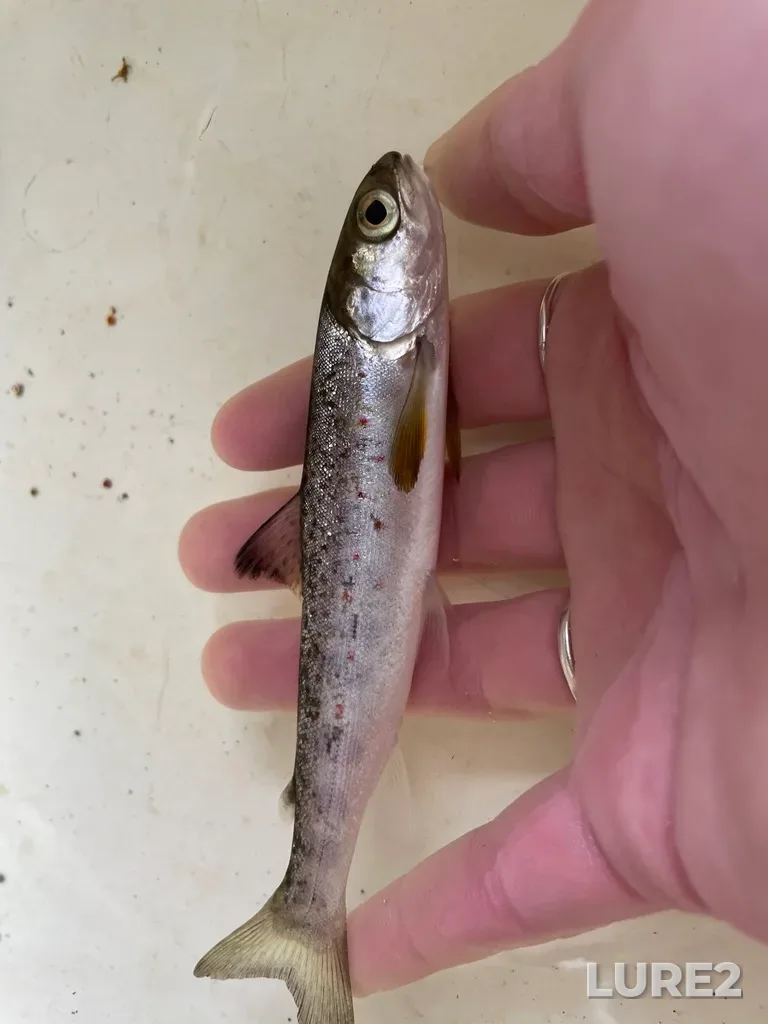
  • Atlantic salmon — Clyburn Brook, May 18, 2022, 11:32 AM
    Atlantic salmon
    Clyburn Brook
    May 18, 2022, 11:32 AM

Other fish in Nova Scotia

  • Smallmouth bass80 catches
  • Brook trout18 catches
  • Atlantic mackerel7 catches
  • Rainbow smelt5 catches
  • Yellow perch4 catches
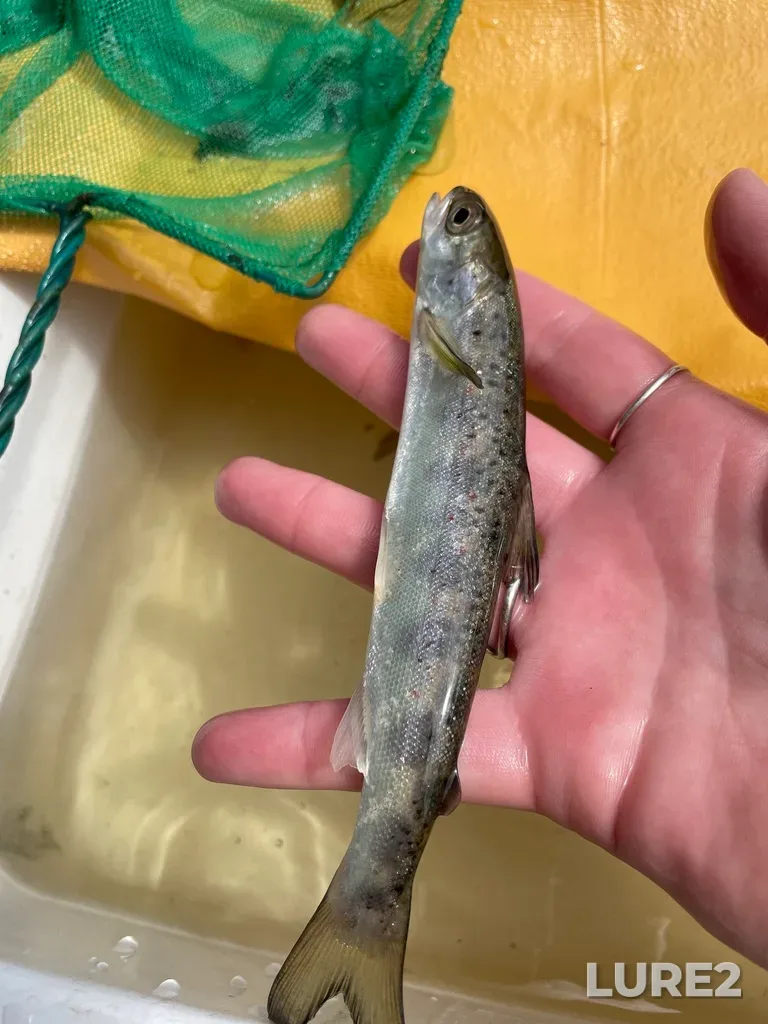
Atlantic salmon — Clyburn Brook, May 27, 2021, 9:44 AM
Atlantic salmon
Clyburn Brook
May 27, 2021, 9:44 AM
  • Brown trout1 catch
  • Atlantic salmon bite calendar

    Friday, September 4

    Aug 31 – Sep 6
    Mon
    Tue
    Wed
    Thu
    Fri
    Sat
    Sun
    Bite activity:highmediumlowslow
    Based on:weatherseasonal
    What is a bite calendar?

    Hourly activity

    0:006:0012:0018:0023:00
    Bite activity:highmediumlow

    The bite is moderate — fish feed in short bursts. A thunderstorm is possible: activity rises before the front and drops after.

    Peak bite hours

    Best time — 06:00–07:00 (dawn bite) and 19:00–21:00 (dusk bite).

    Tactics

    Work the cover — snags, weed edges, hole entrances; retrieve the lure with pauses.

    Lures

    The water's turning murky — go with bright, noisy lures: salmon spoon or salmon fly.

    Gear

    No special gear needed — seasonal clothing will do. A thunderstorm is possible — bring a rain jacket, and pack up at the first rumble of thunder.

    Summary

    An average day — best chances during peak windows.

    Why this forecast

    The computed water temperature is around 18 °C — warmer than the 4–14 °C comfort range for Atlantic salmon: in the heat it drops deeper and feeds less often.

    Computed water temperature by month; the green band is the 4–14 °C comfort rangecomfort 4–14 °C18 °C
    JFMAMJJASOND

    Atlantic salmon works the twilight: the peaks are pinned to sunrise and sunset — their times are in the sun-and-moon card above.

    The day: daylight hours and when Atlantic salmon feeds0:0012:0024:00

    Pressure is dropping 13 hPa over the day — fish are usually more active ahead of a weather change.

    Pressure through the day, 13 hPa change
    00:00 · 101723:00 · 1004 hPa

    September is an active season for Atlantic salmon here.

    JFMAMJJASOND

    These are the same values the bite curve above was computed from. How the forecast works

    4 SepFriday, September 4
    +18°

    Rain · feels like +17°

    Low / high
    +16°…+19°
    Precipitation
    17.6 mm
    Wind
    6 m/s E
    Cloud cover
    100%
    Humidity
    96%
    Pressure
    1010 hPa
    00:00+17°—3 m/ssoutheast wind, 3 m/s91%100%
    01:00+17°—4 m/ssoutheast wind, 4 m/s92%100%
    02:00+17°—3 m/ssoutheast wind, 3 m/s93%100%
    03:00+17°0.4 mm3 m/ssoutheast wind, 3 m/s94%100%
    04:00+17°0.4 mm3 m/ssoutheast wind, 3 m/s95%100%
    05:00+17°0.4 mm4 m/ssoutheast wind, 4 m/s94%100%
    06:00+16°—5 m/ssoutheast wind, 5 m/s92%100%
    07:00+16°2.2 mm5 m/ssoutheast wind, 5 m/s93%100%
    08:00+16°2.9 mm5 m/seast wind, 5 m/s94%100%
    09:00+17°1.1 mm6 m/seast wind, 6 m/s94%100%
    10:00+17°1.1 mm5 m/seast wind, 5 m/s94%100%
    11:00+18°1.8 mm4 m/seast wind, 4 m/s94%100%
    12:00+18°17.6 mm6 m/seast wind, 6 m/s96%100%
    13:00+18°1.8 mm5 m/seast wind, 5 m/s96%100%
    14:00+18°0.7 mm5 m/seast wind, 5 m/s95%100%
    15:00+18°0.7 mm4 m/seast wind, 4 m/s96%100%
    16:00+19°0.7 mm4 m/ssoutheast wind, 4 m/s97%100%
    17:00+19°—4 m/seast wind, 4 m/s97%100%
    18:00+19°—3 m/seast wind, 3 m/s96%100%
    19:00+19°—2 m/seast wind, 2 m/s95%100%
    20:00+18°—1 m/seast wind, 1 m/s96%87%
    21:00+18°—2 m/snortheast wind, 2 m/s95%74%
    22:00+17°—1 m/snorth wind, 1 m/s95%58%
    23:00+17°—1 m/seast wind, 1 m/s96%100%
    +19°+18°+16°
    Weather throughout the day
    0:006:0012:0018:0023:00

    Sun and moon

    Friday, September 4
    The day: daylight and the hours the moon is above the horizon. Local time0:0012:0024:00
    DaylightMoon above the horizon
    Sunrise
    06:37
    Sunset
    19:43
    Day length
    13 h 6 min
    Sunshine hours
    0 min
    UV index
    1
    low
    Moon
    Last quarter
    Moonrise
    23:34
    Moonset
    15:30

    The day is 3 min shorter than yesterday.

    Sunshine hours count direct sun only — cloud cover cuts it, so it is shorter than daylight.

    Solunar feeding periods

    +16% in the windowFriday, September 4
    Feeding windows on the day scale, local time0:0012:0024:00
    Major periodsMinor periods
    • Major06:01–08:01Moon overhead
    • Minor15:00–16:00Moonset
    • Major18:32–20:32Moon underfoot
    • Minor23:04–00:00Moonrise

    The windows are set by the moon's transit and rise, and the forecast above already accounts for them: within these hours the bite score sits higher than across the rest of the day, while the day's overall level still comes from the catch-calibrated model.

    What are solunar periods?