Where to fish

  • Forecast
  • Catches

Mine

  • Favorites

Where to fish

  • Forecast
  • Catches

Mine

  • Favorites
Forecast
AboutHow the forecast worksWhere fish livePrivacyTerms[email protected]
© 2026·AI-powered bite forecast
0.1.0+2161 · b4069346

We use cookies for analytics and advertising. Cookies necessary for the site to function are always kept. Learn more

Canada / Yukon / Mayo River

Bite forecast: Mayo River

  • length 58 km
  • Flows into Stewart River
Loading map…

Best fishing days for the next week

  1. TuesdaySeptember 8weather-based forecast
    56/100medium activity

    Drizzle: 2–9 °C

Loading map…

Nearby water bodies

  • LakeHalfway Lakes8 km
  • LakeWareham Lake9 km
  • LakeFive Mile Lakes11 km
  • LakeFive Mile Lakes11 km
  • LakeFive Mile Lakes12 km
  • LakeJanet Lake12 km

Mayo River (Yukon) — a spot well known among anglers. About 58 km long. Flows into Stewart River. This page shows an hourly bite forecast for today and the week ahead; the algorithm factors in the weather, atmospheric pressure, and the moon phase.

Catches

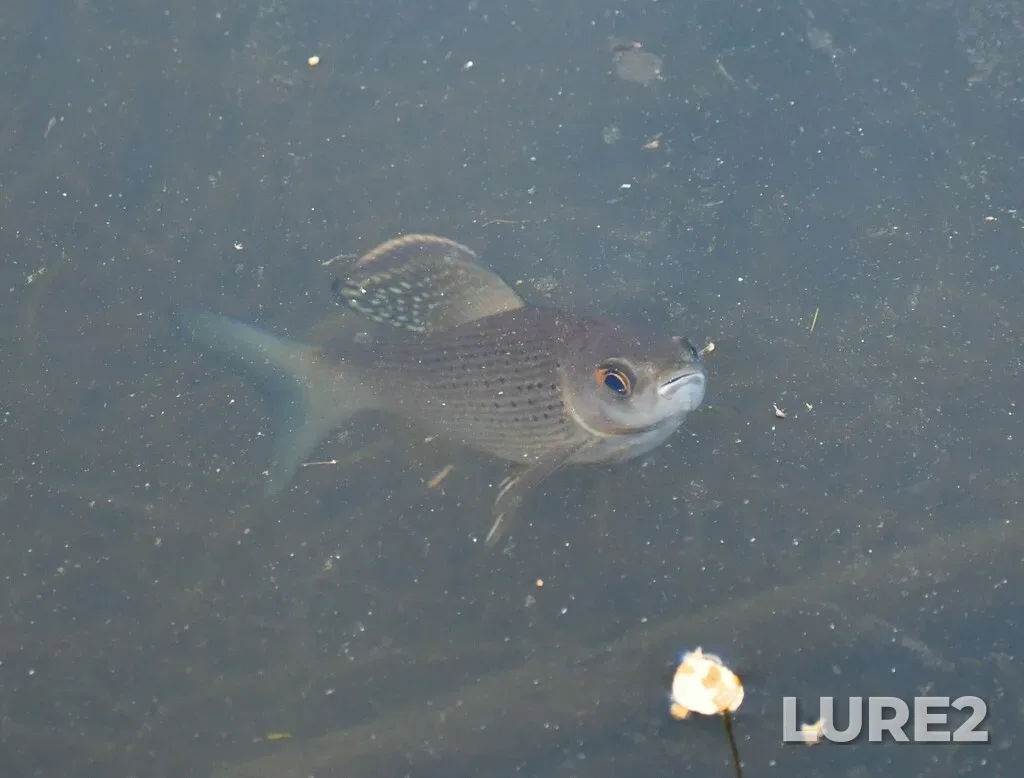
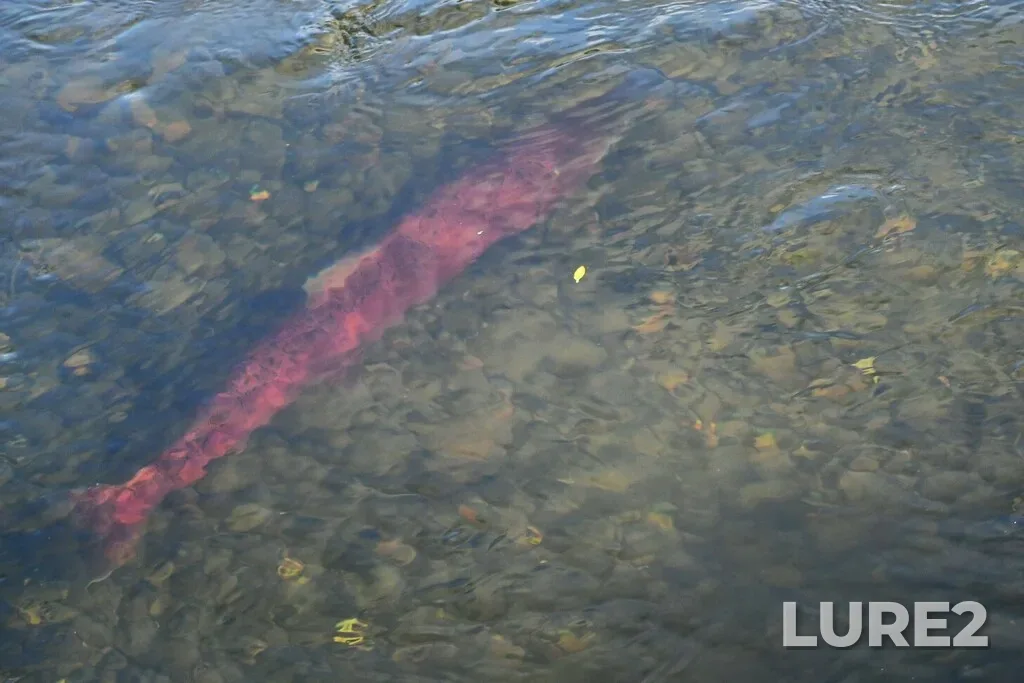
Recorded 3 catches here. Most commonly caught: Pike, Chinook salmon, Grayling. Peak season: August–October.
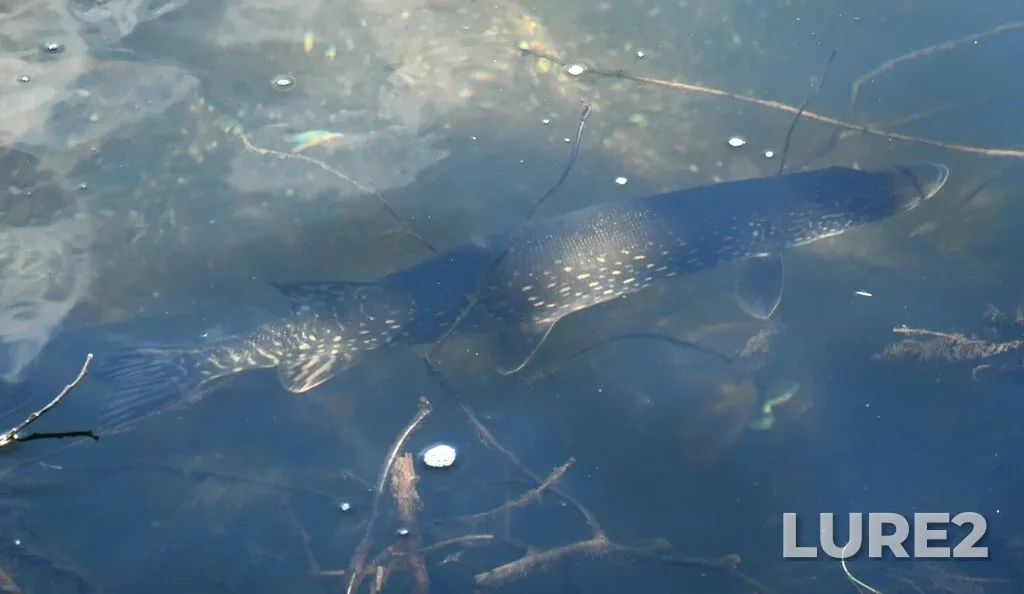
  • Pike — Mayo River, Aug 23, 2024, 1:21 PM
    Pike
    Mayo River
    Aug 23, 2024, 1:21 PM
  • Chinook salmon — Mayo River, Aug 23, 2024, 11:15 AM
    Chinook salmon
    Mayo River
    Aug 23, 2024, 11:15 AM
  • Grayling — Mayo River, Oct 13, 2023, 1:54 PM
    Grayling
    Mayo River
    Oct 13, 2023, 1:54 PM
MondaySeptember 7weather-based forecast
55/100medium activity

Cloudy: 1–10 °C

  • SaturdaySeptember 5weather-based forecast
    50/100medium activity

    Cloudy: 4–12 °C

  • Bite calendar

    7–Sep 13
    Mon
    Tue
    Wed
    Thu
    Fri
    Sat
    Sun
    Bite activity:highmediumlowslow
    Based on:weatherseasonal
    What is a bite calendar?
    Arctic charDolly VardenChum salmonGraylingChinook salmonNelmaPikeWhitefishLake troutBurbot

    Arctic char

    9/10 · Good

    Hourly activity

    0:006:0012:0018:0023:00
    Bite activity:highmediumlow

    The bite is strong — fish are active. Pressure is dropping — this usually boosts the bite.

    Peak bite hours

    Best time — 06:00–08:00 (dawn bite) and 20:00–22:00 (dusk bite).

    Tactics

    Work the cover — snags, weed edges, hole entrances; retrieve the lure with pauses. The water's cold — fish it more delicately and slowly.

    Lures

    In clear water, natural colors work best: spoon or large fly. The water's cold — work the lure slower than usual.

    Gear

    Bring a warm jacket — it's noticeably colder on the water than on shore.

    Summary

    Worth going — it's a productive day.

    How this forecast is calculated

    Why this forecast

    The computed water temperature is around 6 °C — inside the 1–10 °C comfort range for Arctic char, so baseline activity is high.

    Computed water temperature by month; the green band is the 1–10 °C comfort rangecomfort 1–10 °C6 °C
    JFMAMJJASOND

    Arctic char works the twilight: the peaks are pinned to sunrise and sunset — their times are in the sun-and-moon card above.

    The day: daylight hours and when Arctic char feeds0:0012:0024:00

    Pressure is dropping 2 hPa over the day — fish are usually more active ahead of a weather change.

    Pressure through the day, 2 hPa change
    00:00 · 101623:00 · 1014 hPa

    One more input — the moon's feeding windows: within their hours the score sits higher than across the rest of the day. The window times are in the “Solunar feeding periods” card below.

    Feeding windows on the day scale0:0012:0024:00

    September is peak season for Arctic char here.

    JFMAMJJASOND

    These are the same values the bite curve above was computed from. How the forecast works

    7 SepMonday, September 7
    +6°

    Cloudy · feels like +4°

    Low / high
    +1°…+10°
    Precipitation
    0.0 mm
    Wind
    1 m/s NNW
    Cloud cover
    94%
    Humidity
    82%
    Pressure
    1017 hPa
    00:00+3°—1 m/ssouth wind, 1 m/s86%13%
    01:00+3°—1 m/ssouth wind, 1 m/s87%18%
    02:00+2°—1 m/ssouth wind, 1 m/s88%22%
    03:00+2°—0 m/ssoutheast wind, 0 m/s88%23%
    04:00+2°—0 m/ssoutheast wind, 0 m/s88%23%
    05:00+2°—0 m/ssoutheast wind, 0 m/s89%23%
    06:00+1°—0 m/ssoutheast wind, 0 m/s92%23%
    07:00+1°—0 m/ssoutheast wind, 0 m/s95%23%
    08:00+1°—0 m/ssoutheast wind, 0 m/s96%29%
    09:00+3°—0 m/snorth wind, 0 m/s93%48%
    10:00+4°—0 m/snorthwest wind, 0 m/s88%73%
    11:00+6°—1 m/snorthwest wind, 1 m/s85%91%
    12:00+6°—1 m/snorth wind, 1 m/s82%94%
    13:00+7°—1 m/snorth wind, 1 m/s77%86%
    14:00+8°—1 m/snorth wind, 1 m/s72%75%
    15:00+9°—1 m/snorth wind, 1 m/s67%64%
    16:00+10°—2 m/snorth wind, 2 m/s64%53%
    17:00+10°—2 m/snorth wind, 2 m/s62%45%
    18:00+9°—1 m/snorth wind, 1 m/s64%39%
    19:00+8°—1 m/snortheast wind, 1 m/s66%33%
    20:00+7°—1 m/snortheast wind, 1 m/s71%28%
    21:00+5°—1 m/seast wind, 1 m/s76%23%
    22:00+4°—1 m/ssoutheast wind, 1 m/s81%19%
    23:00+3°—1 m/ssoutheast wind, 1 m/s84%16%
    +10°+5°+1°
    Weather throughout the day
    0:006:0012:0018:0023:00

    Sun and moon

    Monday, September 7
    The day: daylight and the hours the moon is above the horizon. Local time0:0012:0024:00
    DaylightMoon above the horizon
    Sunrise
    06:43
    Sunset
    20:33
    Day length
    13 h 50 min
    Sunshine hours
    13 h
    UV index
    3
    moderate
    Moon
    Waning crescent
    Moonrise
    00:19
    Moonset
    20:53

    The day is 6 min shorter than yesterday.

    Sunshine hours count direct sun only — cloud cover cuts it, so it is shorter than daylight.

    Solunar feeding periods

    +14% in the windowMonday, September 7
    Feeding windows on the day scale, local time0:0012:0024:00
    Major periodsMinor periods
    • Minor00:00–00:49Moonrise
    • Major10:10–12:10Moon overhead
    • Minor20:23–21:23Moonset
    • Major22:39–00:00Moon underfoot

    The windows are set by the moon's transit and rise, and the forecast above already accounts for them: within these hours the bite score sits higher than across the rest of the day, while the day's overall level still comes from the catch-calibrated model.

    What are solunar periods?