Catches
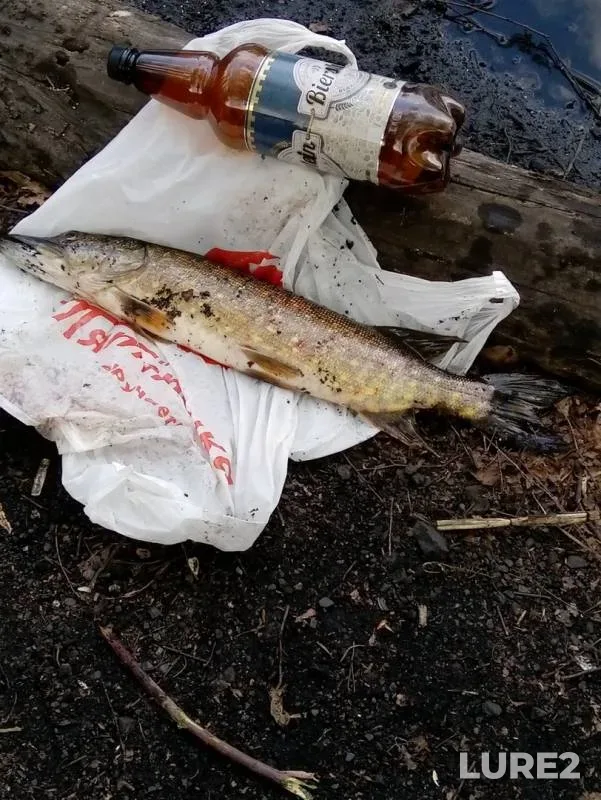
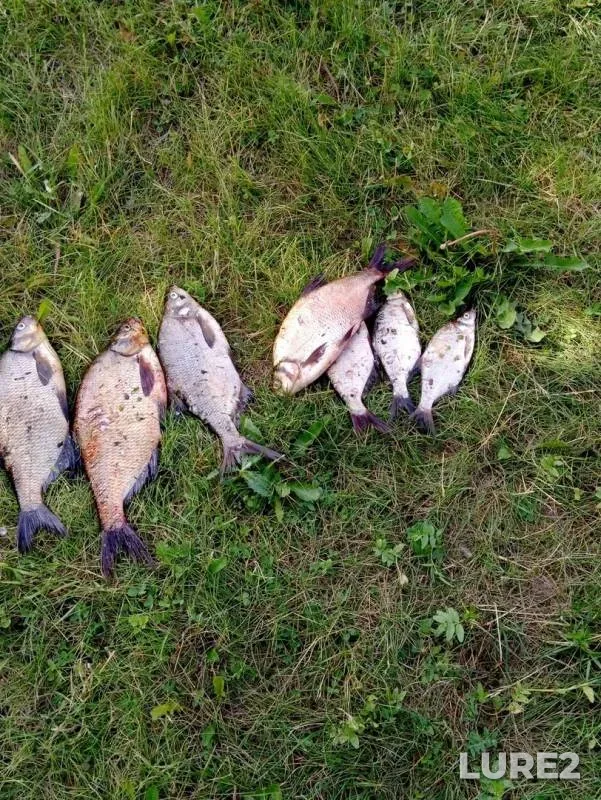
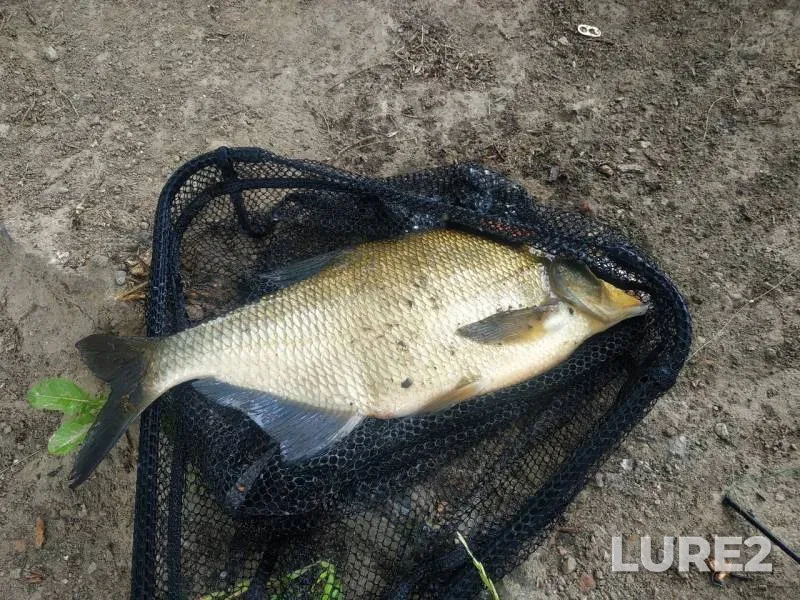
Recorded 4 catches here. Most commonly caught: Bream, Crucian carp, Pike. Peak season: May–August.
Did not find what you were looking for, or something looks wrong? Tell us — we read every message.
We use cookies for analytics and advertising. Cookies necessary for the site to function are always kept. Learn more
Охтинский разлив — водохранилище площадью 98 гектаров в Ленинградской области, расположенное совсем рядом с пригородами Петербурга: Мурино, Новое Девяткино и Янино-1 находятся всего в нескольких километрах. Такое положение делает его удобным для быстрой вылазки из города, а размер водоёма позволяет спокойно выбирать разные участки для ловли. Вода здесь аккуратно разливается на достаточно широкую площадь, что создаёт интересный простор для рыбалки.
На Охтинском разливе можно рассчитывать на щуку — классического хищника водоёмов средней полосы, а также на язя и жереха, которые любят активно бегать по плёсу. Плотва и уклейка добавят динамики в ловлю, а налим и сом выступят в роли ночных охотников. Ёрш придаёт рыбалке остроту — он всегда готов проверить вашу снасть. В целом, здесь рыбалка достаточно разнообразна и подойдёт тем, кто любит и пассивное ожидание, и активный поиск добычи.
Cloudy: 6–14 °C
Local communities and country-wide chats for anglers.
Recorded 4 catches here. Most commonly caught: Bream, Crucian carp, Pike. Peak season: May–August.
Tuesday, September 8
The bite is strong — fish are active. Pressure is dropping — this usually boosts the bite.
Best time — 05:00–08:00 (dawn bite) and 19:00–21:00 (dusk bite).
Look for drop-offs and gaps in the weeds, retrieve slowly, lingering over promising spots.
In clear water, natural colors work best: casting spoon or long-casting spoon.
Bring a warm jacket — it's noticeably colder on the water than on shore.
Worth going — it's a productive day.
The computed water temperature is around 13 °C — inside the 12–24 °C comfort range for Asp, so baseline activity is high.
Asp works the twilight: the peaks are pinned to sunrise and sunset — their times are in the sun-and-moon card above.
Pressure is dropping 7 hPa over the day — fish are usually more active ahead of a weather change.
One more input — the moon's feeding windows: within their hours the score sits higher than across the rest of the day. The window times are in the “Solunar feeding periods” card below.
September is peak season for Asp here.
These are the same values the bite curve above was computed from. How the forecast works
Cloudy · feels like +7°
The day is 5 min shorter than yesterday.
Sunshine hours count direct sun only — cloud cover cuts it, so it is shorter than daylight.
The windows are set by the moon's transit and rise, and the forecast above already accounts for them: within these hours the bite score sits higher than across the rest of the day, while the day's overall level still comes from the catch-calibrated model.
What are solunar periods?