Catches
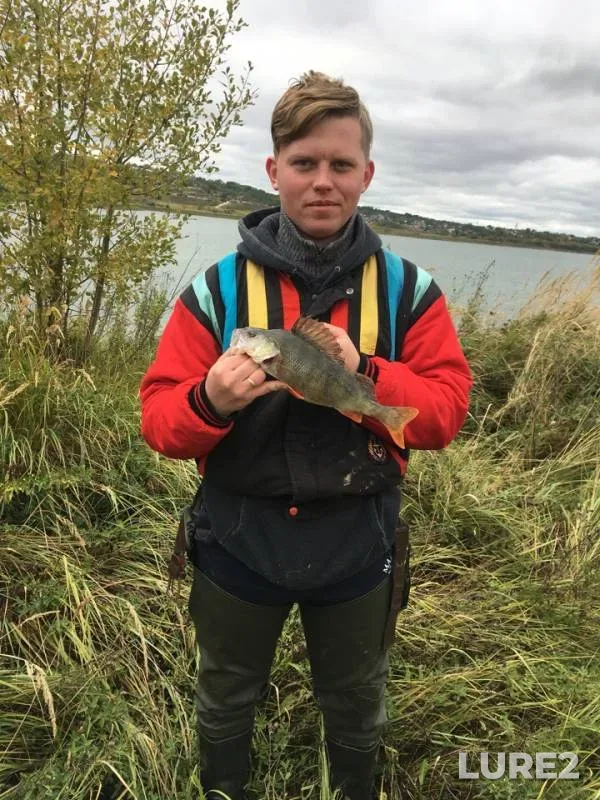
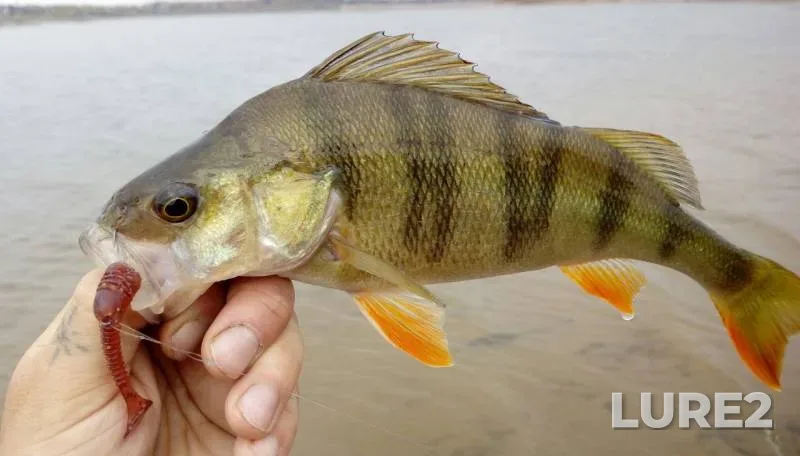
Recorded 2 catches here. Most commonly caught: Perch. Peak season: September–October.
Did not find what you were looking for, or something looks wrong? Tell us — we read every message.
We use cookies for analytics and advertising. Cookies necessary for the site to function are always kept. Learn more
Нижний бассейн Загорской ГАЭС — это водохранилище площадью около 286 гектаров в Московской области. Оно расположено совсем близко к небольшим городам Богородское и Краснозаводск, что делает его удобным для рыбалки без долгих переездов. Вода здесь живо отражает окружающий пейзаж, а сам масштаб водоёма приятно удивляет — достаточно большой и открытый, чтобы ловить рыбу в разных его частях.
В Нижнем бассейне Загорской ГАЭС водится широкий набор рыб: от активного жереха и резвящейся уклейки до более спокойного язя и налима. Щука, классический хищник, добавляет азарта в ловлю, а сом и ёрш дополняют выбор для настоящих любителей разнообразия. Рыбалка тут может быть и динамичной, и размеренной, подойдёт тем, кто хочет пощекотать нервы в борьбе с хищником или просто посидеть с удочкой среди городской природы.
Cloudy: 9–18 °C
Local communities and country-wide chats for anglers.
Monday, September 7
The bite is strong — fish are active. Pressure is rising — activity tends to be more subdued.
Best time — 05:00–07:00 (dawn bite) and 19:00–21:00 (dusk bite).
Look for drop-offs and gaps in the weeds, retrieve slowly, lingering over promising spots.
The water's turning murky — go with bright, noisy lures: casting spoon or long-casting spoon.
Pack transitional-season clothing — mornings and evenings are chilly. Rain is expected — don't forget a rain jacket or a waterproof shell.
Worth going — it's a productive day.
The computed water temperature is around 14 °C — inside the 12–24 °C comfort range for Asp, so baseline activity is high.
Asp works the twilight: the peaks are pinned to sunrise and sunset — their times are in the sun-and-moon card above.
Pressure is rising 9 hPa over the day — the bite usually settles down after a rise.
One more input — the moon's feeding windows: within their hours the score sits higher than across the rest of the day. The window times are in the “Solunar feeding periods” card below.
September is peak season for Asp here.
These are the same values the bite curve above was computed from. How the forecast works
Partly cloudy · feels like +10°
The day is 5 min shorter than yesterday.
Sunshine hours count direct sun only — cloud cover cuts it, so it is shorter than daylight.
The windows are set by the moon's transit and rise, and the forecast above already accounts for them: within these hours the bite score sits higher than across the rest of the day, while the day's overall level still comes from the catch-calibrated model.
What are solunar periods?Recorded 2 catches here. Most commonly caught: Perch. Peak season: September–October.