Catches
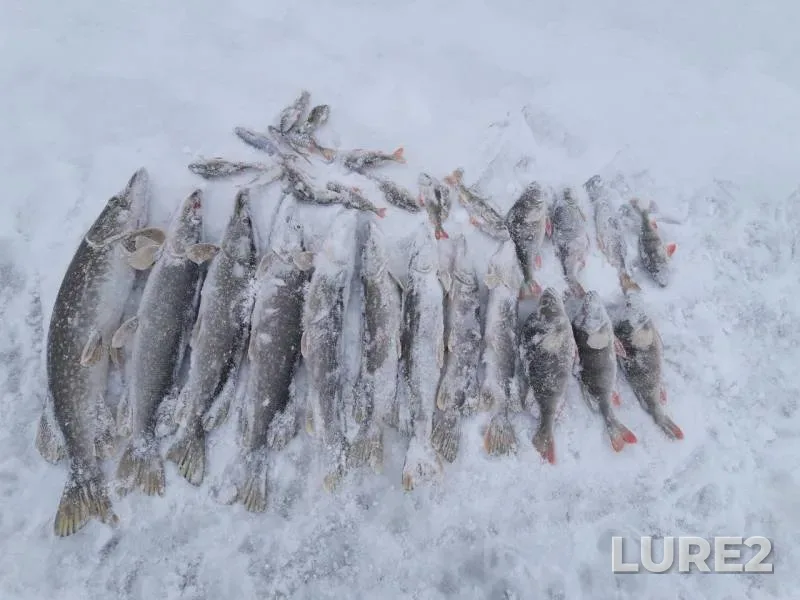
Recorded 1 catch here. Most commonly caught: Perch, Pike. Peak season: January.
Did not find what you were looking for, or something looks wrong? Tell us — we read every message.
We use cookies for analytics and advertising. Cookies necessary for the site to function are always kept. Learn more
Большая Вязовка — река длиной почти 60 километров в Самарской области, которая протекает всего в полукилометре от Красноармейского. Это достаточно протяжённая водная артерия, притягивающая внимание благодаря своему размеру и близости к населенным пунктам, что позволяет легко добраться до воды. Река впадает в бассейн более крупной системы, и её течение создаёт интересные условия для разнообразных рыб.
Здесь можно рассчитывать на щуку — классического хищника с характерным азартом, а также на язя и жереха, которые любят активное течение. Плотва и уклейка добавляют рыбалке динамичности, их можно ловить на легкие снасти. Налим и сом вносят в процесс элемент неожиданных трофеев с глубин. Ёрш, хоть и мелкий, всегда добавляет рыбалке интригу. Большая Вязовка подходит тем, кто хочет разнообразия и готов к разным видам ловли.
Rain: 14–16 °C
Local communities and country-wide chats for anglers.
Recorded 1 catch here. Most commonly caught: Perch, Pike. Peak season: January.
Monday, September 7
The bite is strong — fish are active. Weather is steady, with no sharp swings — fish behave predictably.
Best time — 05:00–08:00 (dawn bite) and 19:00–21:00 (dusk bite).
Work the cover — snags, weed edges, hole entrances; retrieve the lure with pauses.
The water's turning murky — go with bright, noisy lures: casting spoon or long-casting spoon.
No special gear needed — seasonal clothing will do. Rain is expected — don't forget a rain jacket or a waterproof shell.
Worth going — it's a productive day.
The computed water temperature is around 17 °C — inside the 12–24 °C comfort range for Asp, so baseline activity is high.
Asp works the twilight: the peaks are pinned to sunrise and sunset — their times are in the sun-and-moon card above.
Pressure is flat: it moves no more than 1 hPa over the day, so the weather isn't shifting today's bite.
One more input — the moon's feeding windows: within their hours the score sits higher than across the rest of the day. The window times are in the “Solunar feeding periods” card below.
September is peak season for Asp here.
These are the same values the bite curve above was computed from. How the forecast works
Rain · feels like +15°
The day is 4 min shorter than yesterday.
Sunshine hours count direct sun only — cloud cover cuts it, so it is shorter than daylight.
The windows are set by the moon's transit and rise, and the forecast above already accounts for them: within these hours the bite score sits higher than across the rest of the day, while the day's overall level still comes from the catch-calibrated model.
What are solunar periods?