Catches
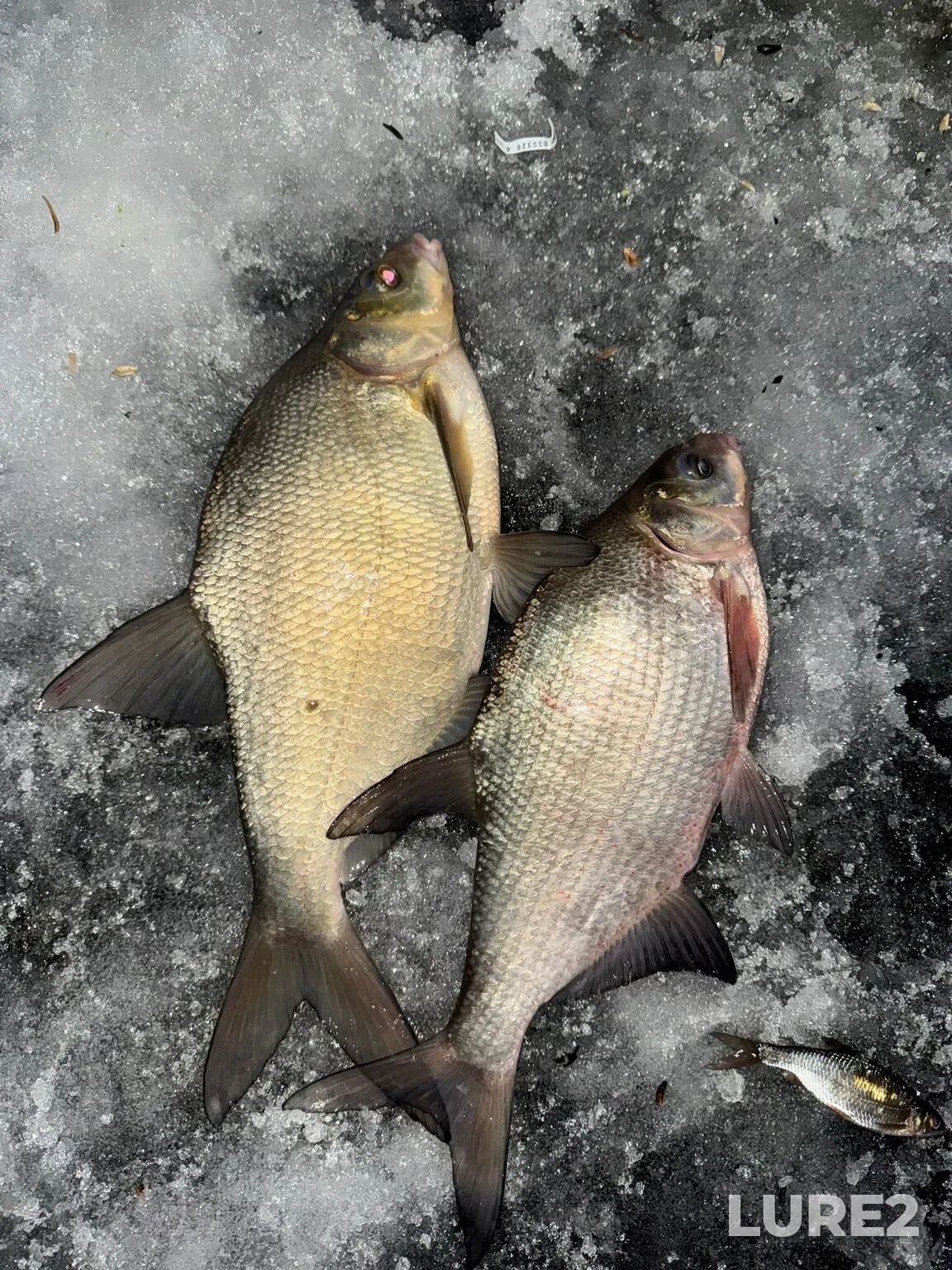
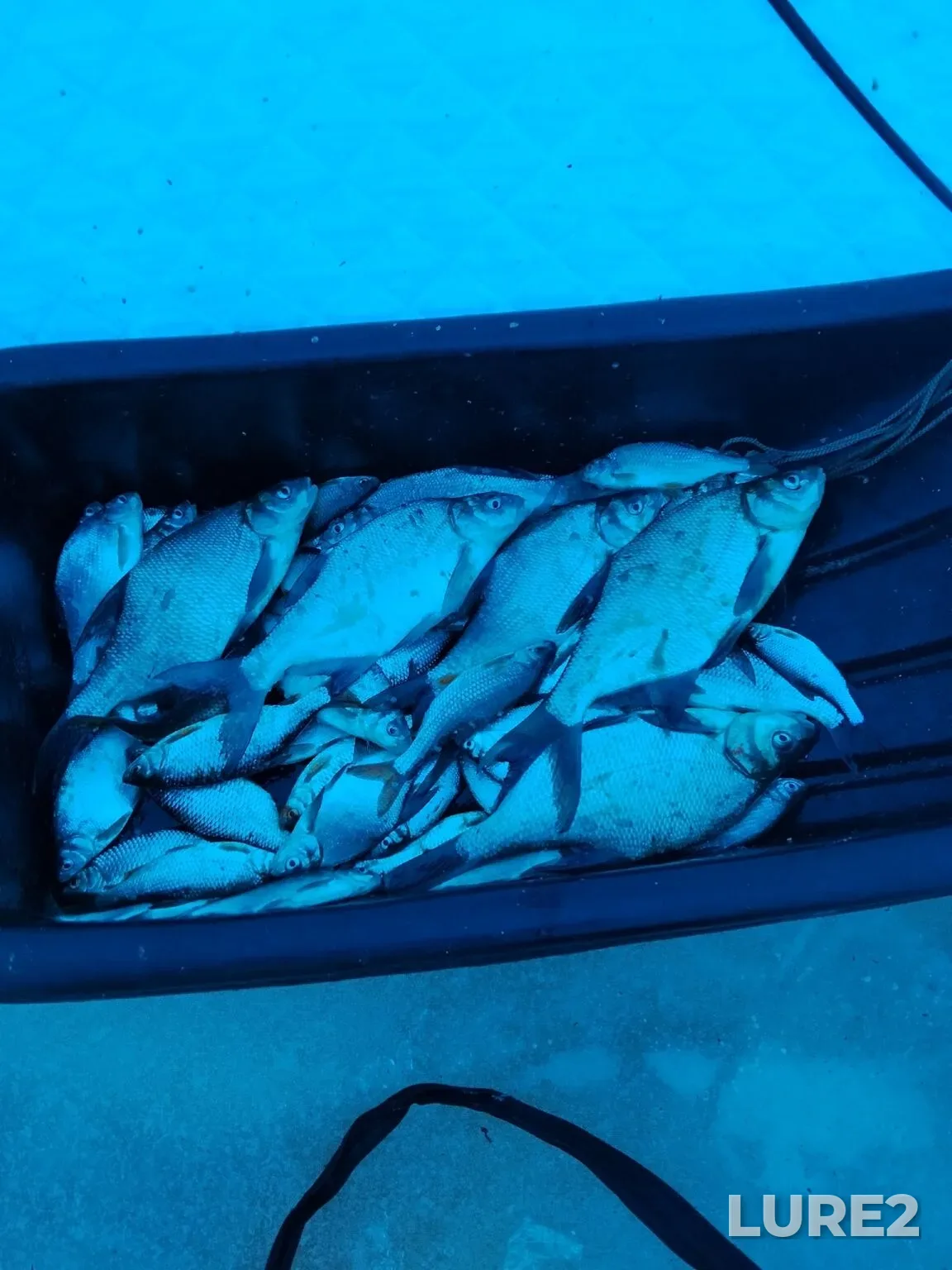
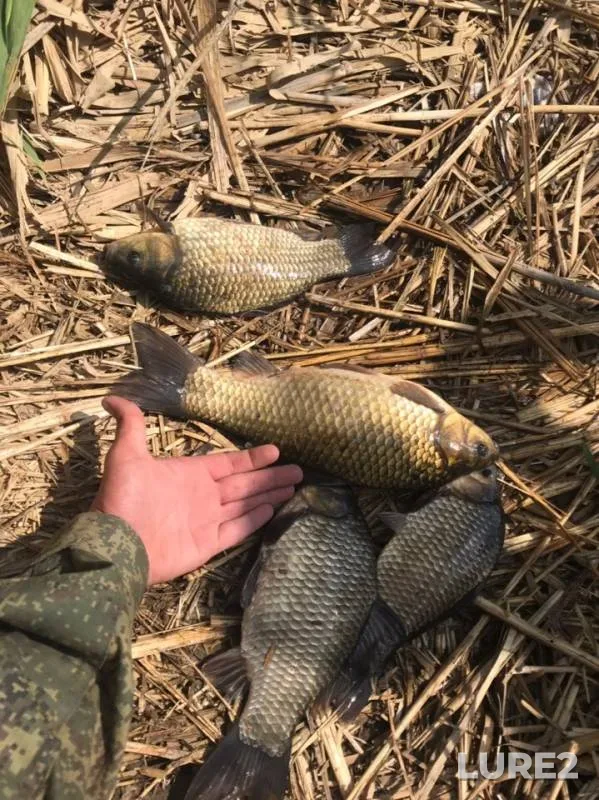
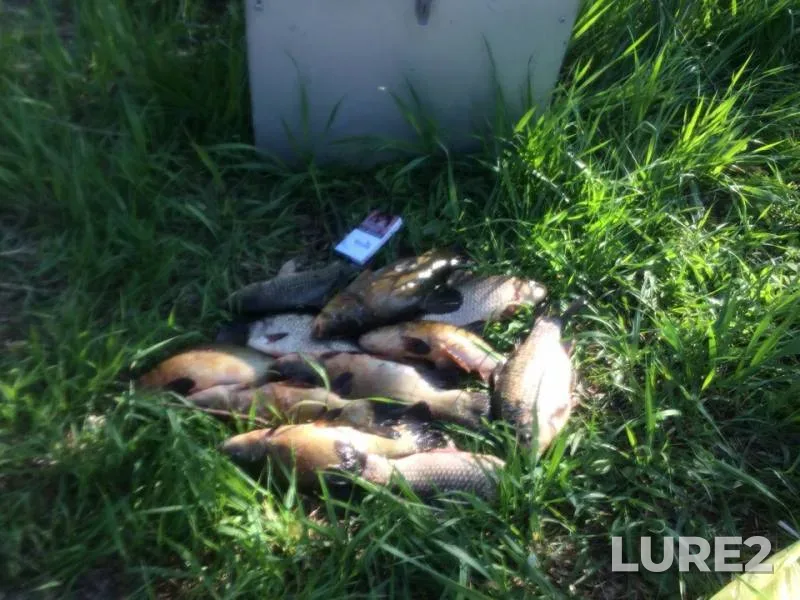
Recorded 4 catches here. Most commonly caught: Bream, Crucian carp, Roach. Peak season: February–May.
Did not find what you were looking for, or something looks wrong? Tell us — we read every message.
We use cookies for analytics and advertising. Cookies necessary for the site to function are always kept. Learn more
Река Карповка протянулась на 51,6 километра в Волгоградской области и впадает в Дон, что даёт ей интересное положение в крупном бассейне Дона. Рядом можно заехать в Новый Рогачик или Калач-на-Дону, если нужно сделать паузу или заодно изучить местные окрестности. Река не слишком длинная, но плавное течение и связь с Донской системой создают живую водную артерию, которая привлекает внимание любителей рыбалки.
В Карповке ловится широкий набор рыбы – от хищной щуки и сома до полосатого ёрша и мирной плотвы. Здесь можно встретить и язя с жерехом, что добавляет тактики, ведь каждый вид ведёт себя по-своему. Налим и уклейка тоже постоянно держатся в этих водах, что позволяет варьировать методы ловли и получать разнообразный улов. Рыбалка на Карповке скорее динамичная и разносторонняя, без особых претензий на крупный трофей, зато с хорошим шансом на активный клев.
Recorded 4 catches here. Most commonly caught: Bream, Crucian carp, Roach. Peak season: February–May.
Cloudy: 16–23 °C
Local communities and country-wide chats for anglers.
Tuesday, September 8
The bite is strong — fish are active. Pressure is rising — activity tends to be more subdued.
Best time — 05:00–07:00 (dawn bite) and 18:00–20:00 (dusk bite).
Work the cover — snags, weed edges, hole entrances; retrieve the lure with pauses.
The water's turning murky — go with bright, noisy lures: casting spoon or long-casting spoon.
Pack transitional-season clothing — mornings and evenings are chilly. Rain is expected — don't forget a rain jacket or a waterproof shell.
Worth going — it's a productive day.
The computed water temperature is around 19 °C — inside the 12–24 °C comfort range for Asp, so baseline activity is high.
Asp works the twilight: the peaks are pinned to sunrise and sunset — their times are in the sun-and-moon card above.
Pressure is rising 1 hPa over the day — the bite usually settles down after a rise.
One more input — the moon's feeding windows: within their hours the score sits higher than across the rest of the day. The window times are in the “Solunar feeding periods” card below.
September is an active season for Asp here.
These are the same values the bite curve above was computed from. How the forecast works
Cloudy · feels like +11°
The day is 3 min shorter than yesterday.
Sunshine hours count direct sun only — cloud cover cuts it, so it is shorter than daylight.
The windows are set by the moon's transit and rise, and the forecast above already accounts for them: within these hours the bite score sits higher than across the rest of the day, while the day's overall level still comes from the catch-calibrated model.
What are solunar periods?